Nagoya to Takayama: Scenic Expressway Route & Must-Stop SA/PA
Planning a road trip from Nagoya to Takayama is one of the best decisions you can make when visiting central Japan. You get to escape the city’s concrete jungle and gradually climb into the stunning, mountainous heart of the Gifu prefecture. Driving this route gives you the freedom to stop whenever you want, take in the scenery, and most importantly, experience the incredible highway rest stops along the way. In Japan, Service Areas (SA) and Parking Areas (PA) are much more than just places to use the bathroom. They are food destinations, souvenir hubs, and sometimes attractions in their own right.
This guide will walk you through everything you need to know about driving from Nagoya to Takayama. We will cover the best route to take, the toll costs, what to expect on the road, and the absolute best rest stops you need to visit. If you are renting a car and heading into the Japanese Alps, this is the practical, no-nonsense guide you need for a smooth and highly enjoyable journey.
Choosing the Best Route: The Tokai-Hokuriku Expressway
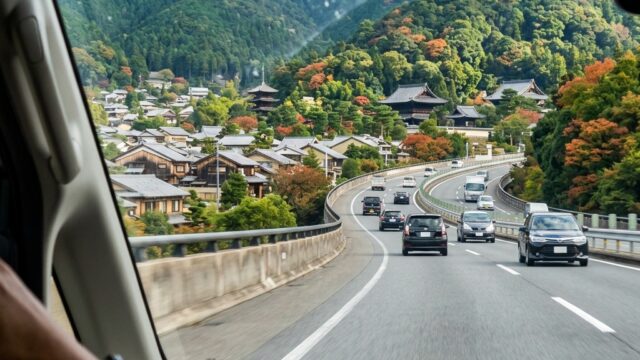
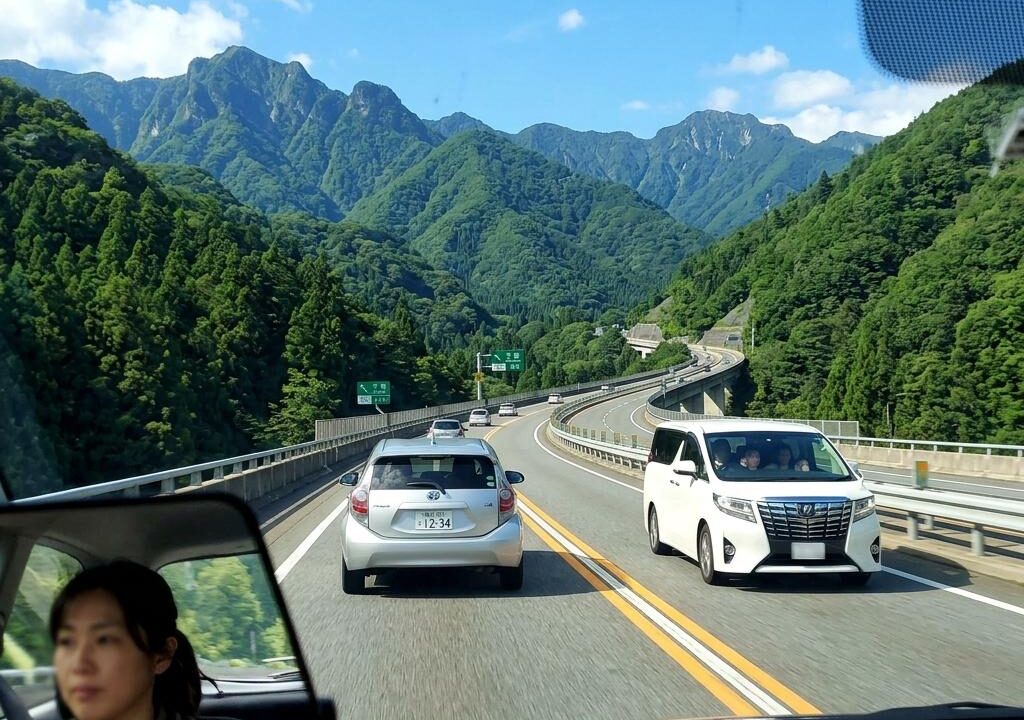
When driving from Nagoya to Takayama, the most direct and scenic route is the Tokai-Hokuriku Expressway. It carves right through the mountains, offering incredible views, especially in autumn when the leaves change color, or in winter when everything is covered in snow.
This expressway is well-maintained, but it does have some unique characteristics you should be prepared for, especially as you get closer to the Takayama area. Let’s break down the details of this route so you know exactly what to expect.
Understanding Tolls and Using ETC
The journey from central Nagoya to the Takayama Interchange (IC) is roughly 150 kilometers and takes about two and a half hours if you drive straight through without stopping. However, you will definitely want to stop. The toll fee for a standard passenger car is typically around 4,500 to 5,000 yen one way. This is where having an ETC (Electronic Toll Collection) card is incredibly helpful. If you are renting a car, always ask the rental agency to include an ETC card.
Using an ETC card means you can simply drive through the dedicated purple toll lanes at a slow speed, and the barrier will open automatically. The toll is recorded on the card, and you pay the total bill when you return your rental car. If you don’t have an ETC card, you will need to use the green “General” (一般) lanes. Here, you pull a ticket from a machine when entering the expressway, and hand it to an attendant or put it into a payment machine when exiting. You can pay with cash or a credit card. While paying with a credit card is widely accepted at major toll gates, having an ETC card saves you the hassle and often gives you a slight discount on weekends and holidays. If you plan to drive extensively, you might also want to look into an Expressway Pass, which offers unlimited highway use in a specific region for a flat daily rate.
Navigating Mountain Roads and Tunnels
As you leave the Nagoya area and get further onto the Tokai-Hokuriku Expressway, the landscape changes dramatically. The road goes from flat urban surroundings to steep inclines, deep valleys, and a significant number of tunnels. This expressway actually features some of the longest highway tunnels in Japan. The Hida Tunnel, for example, is over 10 kilometers long. Driving in these long tunnels can be a bit disorienting if you aren’t used to it, so keep a safe distance from the car in front of you and turn your headlights on manually if your rental car doesn’t have an automatic setting.
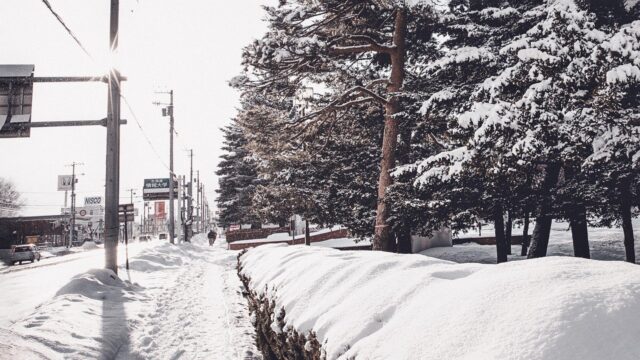
Because this is a mountainous route, the weather can change quickly. Even if it’s sunny in Nagoya, you might encounter rain or thick fog in the higher elevations. In the winter months, from late November to April, snow is almost guaranteed. If you are traveling during this time, you must ensure your rental car is equipped with studless snow tires. Standard tires are dangerous and often illegal on this route during heavy snow. The highway electronic boards will display warnings (in Japanese, but often with easily understandable symbols like a snowflake) if winter tires are required. Keep your speed steady, avoid sudden braking, and enjoy the dramatic scenery safely.
Must-Visit Stop 1: Seki SA (Outbound)
About 45 minutes to an hour outside of Nagoya, you will come across Seki SA. This is the perfect place for your first break. Seki Service Area (SA, larger rest stops with gas stations and food courts) is famous for representing the city of Seki, which is historically renowned as the “City of Blades” due to its centuries-old tradition of sword making.
This Service Area is large, modern, and packed with interesting things to see and eat. It’s an excellent introduction to how impressive Japanese highway rest stops can be.
Exploring the Cutlery and Souvenirs
The most unique aspect of Seki SA is its massive retail section dedicated to local craftsmanship. You won’t just find standard snacks here; you’ll find an entire corner dedicated to high-quality knives, scissors, nail clippers, and even replica samurai swords. Seki city produces some of the best kitchen knives in the world, and this Service Area allows you to purchase them directly. It’s highly unusual to see such premium, artisanal goods at a highway rest stop, making it a fantastic place to pick up a truly unique souvenir.
Beyond the cutlery, the Souvenir Shop is heavily stocked with local Gifu specialties. You can find everything from sweet chestnut treats (kurikinton), which are incredibly popular in this region, to local sake and Hida beef snacks. The layout is spacious, and everything is brightly lit and neatly organized. Even if you don’t plan to buy a kitchen knife, browsing the displays is surprisingly entertaining. The staff here are accustomed to tourists, and many of the product labels have English descriptions or clear pictures indicating what’s inside.
What to Eat at the Food Court
When it comes to the Food Court, Seki SA does not disappoint. The specialty here is the “Seki Mago-roku Ramen,” named after a famous historical swordsmith. It’s a rich, flavorful bowl that hits the spot, especially if you are traveling on a chilly day. You order food here using a ticketing machine. The modern machines at Seki SA are usually equipped with an English language option on the touchscreen, making it incredibly easy for foreign travelers to order without any stress. You can pay using cash, credit cards, or IC transit cards like Suica or Pasmo.
If you aren’t in the mood for a heavy meal, head to the outdoor food stalls (yatai) near the entrance. You will find vendors selling Hida beef skewers—a premium, melt-in-your-mouth wagyu beef from the region you are heading towards. Grabbing a hot skewer of Hida beef and a local milk soft-serve ice cream is the perfect quick snack before getting back on the road. The seating areas are clean, and there are plenty of trash sorting bins, which is a hallmark of Japanese service areas.
Must-Visit Stop 2: Hirugano Kogen SA (Outbound)
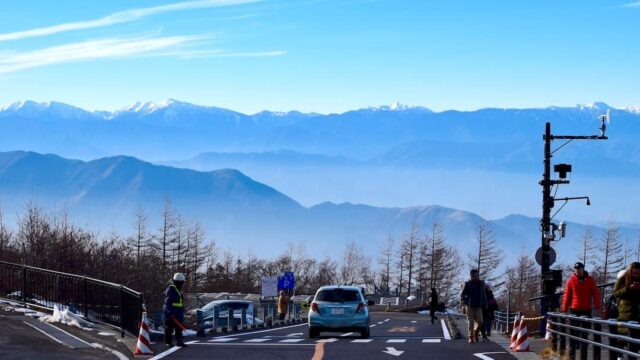
Further up the Tokai-Hokuriku Expressway, you will reach Hirugano Kogen SA. This rest stop is located at the highest elevation of any SA on this route, sitting at about 860 meters above sea level. Because of its location, the air is crisp, and the views are spectacular.
This is arguably the most scenic stop on the journey to Takayama. It feels more like a mountain resort facility than a standard highway parking lot.
The Incredible Mountain Views and Facilities
The moment you step out of your car at Hirugano Kogen SA, you will notice the drop in temperature and the fresh mountain air. The Service Area is designed to maximize its location, featuring a large observation deck that offers panoramic views of the Hakusan mountain range and the surrounding highlands. It is an absolute must-do photo stop. In the summer, the area is lush and green, while in the winter, it transforms into a snowy wonderland.
The facilities here are top-notch. It includes a very clean, spacious rest area, a gas station, and even a small convenience store. One of the best things about Japanese SAs is the restroom cleanliness, and Hirugano Kogen is no exception. The restrooms are expansive, heated in the winter, and feature modern, high-tech toilets. If you are traveling with a dog, this SA also features a dedicated Dog Run (Off-leash Dog Park) where your pet can stretch its legs in the cool highland air. It’s a very family-friendly and accessible stop, providing a much-needed mental break from driving the winding mountain roads.
Tasting the Local Dairy and Hida Beef
Hirugano Kogen is famous throughout the region for its dairy products. The highland environment is perfect for dairy farming, and the SA takes full advantage of this. You absolutely must try the Hirugano Kogen milk soft-serve ice cream. It is incredibly rich, creamy, and arguably one of the best ice creams you will have in Japan. They also sell bottled local milk, yogurts, and cheese tarts that make excellent road trip snacks.
For something savory, the Food Court offers excellent Hida beef dishes. While you could get skewers at Seki SA, here you can sit down for a proper Hida beef croquette or a hearty bowl of Hida beef curry. The quality of the meat is fantastic, and it provides a great preview of the cuisine you will experience once you arrive in Takayama. Similar to Seki, ordering is done via ticketing machines, which are generally very user-friendly. Eating a hot meal while looking out the large windows at the mountains is a highlight of the drive.
Dealing with Restroom Breaks and Small Stops
While the large Service Areas (SA) like Seki and Hirugano Kogen are the main attractions, you will also pass several smaller Parking Areas (PA) along the Tokai-Hokuriku Expressway.
It is important to know the difference between an SA and a PA so you can plan your stops effectively, especially if you are traveling with children or need specific amenities.
Parking Areas (PA) Explained
A Parking Area (PA) is typically much smaller than a Service Area. PAs are designed for quick breaks rather than long rests or full meals. Almost every PA will have very clean restrooms and a row of vending machines where you can buy hot and cold drinks. Many will also have a very small convenience store or a modest snack counter, but they usually lack the large food courts, extensive souvenir shops, and gas stations found at an SA.
If you just need to stretch your legs, grab a canned coffee, or use the restroom, a PA is perfectly fine and often less crowded than an SA. However, if you are running low on gas, you must hold out for a Service Area. The highway signs leading up to any rest stop are very clear. They will show an icon of a gas pump if fuel is available, a coffee cup if there is a café, and a knife and fork if there is a restaurant. Pay close attention to these overhead signs (which are almost always bilingual in Japanese and English) so you don’t pull into a small PA expecting to find a gas station.
Keeping Your Rental Car Fueled
One crucial piece of advice for this specific route is to monitor your fuel gauge closely. Because the Tokai-Hokuriku Expressway runs through a very mountainous, rural area, the distance between gas stations can be quite long.
- Do not wait until the low fuel light comes on to start looking for a gas station.
- Fill up at Seki SA if you have any doubts about your fuel level.
- Remember that highway gas stations are slightly more expensive than those in the city.
- Most highway gas stations are full-service; an attendant will pump the gas for you. Just say “Regular, Mantan” (Regular gas, full tank).
It is always better to be safe than sorry when driving in the Japanese Alps. Running out of gas in a 10-kilometer tunnel is a stressful situation you want to avoid at all costs.
Arrival in Takayama: Leaving the Expressway
After enjoying the scenic drive and the excellent rest stops, you will eventually reach the Takayama IC. Leaving the expressway is a straightforward process, but there are a few things to keep in mind as you transition back to local roads.
Takayama is a historic city with narrow streets, so your driving style will need to shift from highway cruising to careful city navigation.
Navigating the Toll Gate Exit
As you approach the Takayama IC, you will see plenty of signs indicating the exit. If you are using an ETC card, simply guide your car into the purple ETC lane. Keep your speed to 20 km/h or lower, and the gate will lift as the system registers your exit and calculates the toll based on where you entered. It is completely seamless.
If you took a paper ticket when you entered the highway near Nagoya, you must head to the green “General” (一般) lane. Hand your ticket to the staff member in the booth, or insert it into the automated machine if the booth is unstaffed. The machine or the attendant will show you the total amount due. You can hand over cash or insert your credit card into the machine. Once payment is complete, the barrier will open. It is a very efficient system, but it’s always good to have a credit card handy just in case you don’t have enough small bills.
Driving in Takayama City
Once you pass through the toll gate, you are essentially in Takayama. The contrast between the fast-paced expressway and the slower, traditional feel of the city is immediate. Takayama is famous for its beautifully preserved old town (Sanmachi Suji), which features traditional wooden merchant houses dating back to the Edo period.
Because it is an old city, many of the streets in the central tourist area are very narrow, and some are pedestrian-only during the day. Rely heavily on your rental car’s GPS or Google Maps to navigate to your hotel or a designated parking lot. Do not try to drive directly into the historic old town streets unless your accommodation specifically instructs you to do so and provides parking. Instead, look for municipal parking lots (often marked with a blue sign featuring a white “P”) on the outskirts of the old town and walk in. Driving cautiously and respecting the local traffic flow will ensure the end of your road trip is as pleasant as the journey itself.
Conclusion
Driving from Nagoya to Takayama via the Tokai-Hokuriku Expressway is an incredibly rewarding experience that offers a perfect blend of modern convenience and stunning natural beauty. The route is straightforward, well-maintained, and features some of the best Service Areas in the country. By stopping at places like Seki SA to admire the local craftsmanship and Hirugano Kogen SA to take in the mountain views and enjoy the local dairy, the journey truly becomes part of the destination.
Remember to prepare for the toll system by ideally securing an ETC card with your rental car, which will save you time and hassle. Keep a close eye on the weather, especially in the winter months, and ensure you have the appropriate tires for the mountain conditions. Most importantly, don’t rush. The Japanese expressway system is designed to be comfortable and accommodating, with meticulously clean facilities and excellent food options readily available. Take your time, enjoy the Hida beef skewers and the creamy soft-serve ice cream, and soak in the changing landscapes as you transition from the bustling city of Nagoya to the historic, mountainous charm of Takayama. Safe travels and enjoy your drive!