Winter Driving in Japan: The Snow Country Route from Tokyo to Nagano via Kan-Etsu Expressway
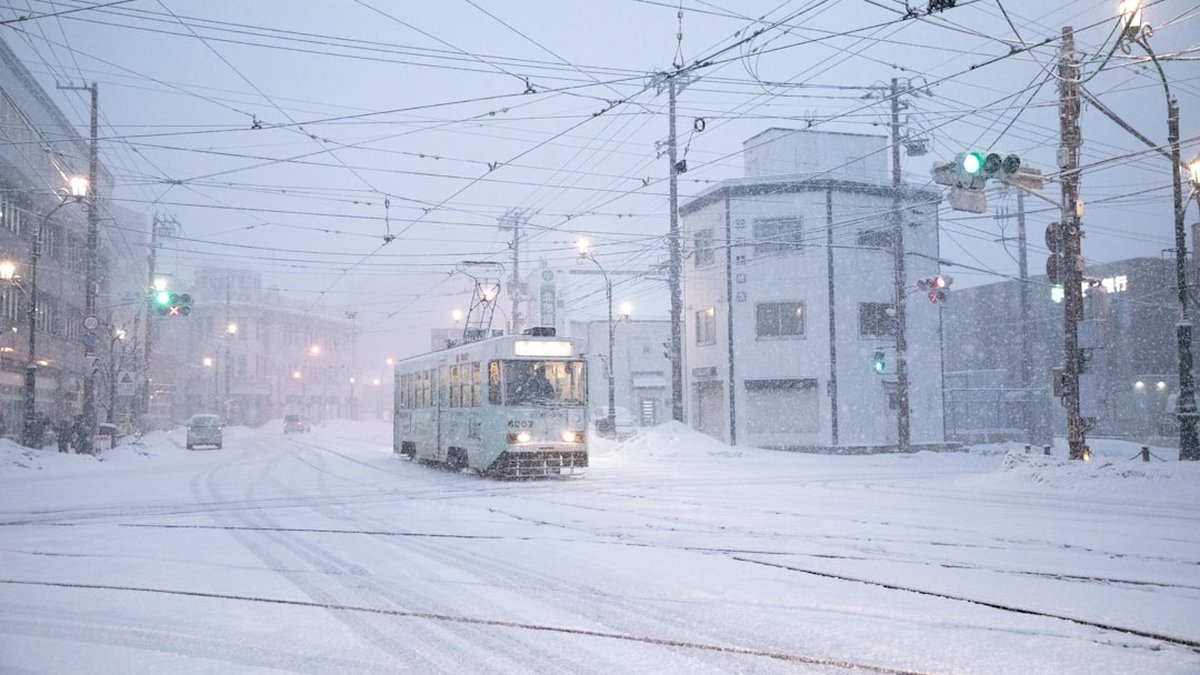
Driving from the bustling streets of Tokyo to the serene, snow-covered mountains of Nagano is a trip that many travelers dream of taking during the winter season. The transformation of the landscape from urban concrete to pure white snow fields as you pass through the long tunnels is nothing short of magical.
However, embarking on a winter road trip in Japan requires careful planning, a solid understanding of the road conditions, and knowing exactly where to stop for rest and recreation. The primary route that connects the greater Tokyo area with the snowy regions of Niigata and Nagano is the Kan-Etsu Expressway.
This highway serves as the main artery for skiers, snowboarders, and hot spring enthusiasts heading into the heart of Japan’s winter wonderland. In this comprehensive guide, we will walk you through everything you need to know about navigating the Kan-Etsu Expressway during the snowy months.
From selecting the right rental car and understanding winter driving etiquette to pinpointing the best Service Areas (SA) and Parking Areas (PA) for local gourmet food and relaxation, we have got you covered. By the end of this article, you will feel confident and fully prepared to tackle the snowy roads of Japan, ensuring a safe, comfortable, and unforgettable winter driving experience.
1. Preparing for the Winter Journey on the Kan-Etsu Expressway
Before you even start the engine and head towards the Kan-Etsu Expressway, the preparation phase is absolutely crucial. Winter driving in Japan presents unique challenges, especially for those who are not accustomed to heavy snowfall or icy roads.
The weather in the mountainous regions of Gunma, Niigata, and Nagano can change rapidly, and being caught unprepared can lead to stressful situations or even accidents. Proper preparation involves not only equipping your vehicle correctly but also packing the right emergency supplies and understanding the basic mechanics of driving in freezing temperatures.
Taking the time to prepare thoroughly will give you peace of mind, allowing you to focus on the breathtaking scenery rather than worrying about your safety. Let’s look at the two most important aspects of winter preparation: vehicle equipment and emergency kits.
Choosing the Right Rental Car and Essential Winter Equipment
When renting a car for a winter trip to Nagano or Niigata, your vehicle choice is the first line of defense against the elements. It is absolutely non-negotiable to request a vehicle equipped with studless winter tires (snow tires).
In Japan, winter tires are heavily regulated and manufactured to provide maximum grip on compacted snow and black ice without the need for traditional metal studs, which are largely banned to prevent road damage. Many rental car agencies in Tokyo offer winter tires as an optional add-on for a daily fee, but during peak ski season, these equipped vehicles can sell out quickly.
Therefore, making a reservation well in advance is highly recommended. For more details on renting a vehicle, check our guide on Renting a Car in Japan: Essential Tips and Choosing the Best Rental Agency.
Furthermore, while winter tires are excellent, heavy snow zones (豪雪地帯 – gosetsu chitai) often implement strict chain regulations during severe blizzards. When a “Chain Restriction” is in effect, even vehicles with winter tires are legally required to put on tire chains to pass certain checkpoints on the Kan-Etsu Expressway.
Therefore, you must confirm with your rental agency that a set of tire chains is included in the trunk, and more importantly, you should ask the staff to demonstrate how to install them before you leave the lot. Additionally, consider renting a 4-Wheel Drive (4WD) or All-Wheel Drive (AWD) vehicle.
While a 2-Wheel Drive car with snow tires is usually sufficient for plowed highways, a 4WD provides significantly better traction and stability when navigating steep, unplowed local roads leading up to ski resorts or secluded hot spring ryokans. Do not underestimate the value of having that extra grip when pulling out of a snowed-in parking lot after a heavy overnight snowfall.
Lastly, ensure the rental agency provides an ice scraper and a snow brush. You will need these every morning to clear your windshield and roof, as driving with a thick layer of snow on your car is illegal and dangerous in Japan.
Packing an Emergency Winter Survival Kit for the Highway
While the Kan-Etsu Expressway is heavily monitored and frequently plowed by fleets of snow-clearing vehicles, extreme weather events can still cause unexpected delays. Heavy blizzards or accidents can sometimes lead to highway closures, leaving drivers stranded in traffic for several hours.
This is why packing a winter survival kit is an essential part of your road trip preparation. The first and most important item to pack is warm clothing.
Even if your car heater is functioning perfectly, you may need to step outside to install tire chains, clear snow from your headlights, or speak with highway officials. Pack heavy winter coats, waterproof gloves, sturdy snow boots, and thermal blankets.
If you find yourself stuck in a long traffic jam, you might need to turn off the engine periodically to conserve fuel, making those extra blankets a literal lifesaver. Speaking of fuel, never let your gas tank drop below the halfway mark when driving in snow country.
Traffic standstills in freezing temperatures require you to run the engine for heat, and running out of gas is a serious hazard. For tips on refueling, read our article on Refueling in Japan: How to Use Highway Gas Stations.
Your emergency kit should also include plenty of high-calorie snacks and bottled drinking water. While Japanese Service Areas (SA, larger rest stops with gas stations and food courts) are excellent places to stock up, you should always have backup supplies in the car.
Granola bars, chocolates, and crackers are good choices as they do not freeze solid easily. Additionally, bring a portable smartphone power bank to ensure you can call for help or check traffic updates even if your car battery dies.
A small, portable snow shovel can also be incredibly useful if your tires get stuck in a snowbank or if you need to dig out a path to safely pull over on the shoulder. Finally, consider bringing a reflective warning triangle and a bright flashlight with extra batteries, which will make you visible to other drivers and snowplow operators if you experience a breakdown during a nighttime blizzard.
2. Navigating the Kan-Etsu Expressway: Key Segments and Driving Tips
The Kan-Etsu Expressway is one of the most dynamic highways in Japan, geographically speaking. It starts in the relatively flat and temperate Saitama prefecture, gradually climbs into the rugged mountains of Gunma, and finally punches through the massive Tanigawa mountain range via the Kan-Etsu Tunnel to emerge in the heavy snow zones of Niigata.
Understanding this geographical transition is vital for a safe journey. As you drive north, the weather conditions can change from clear and sunny to a blinding snowstorm in a matter of minutes, especially as you approach the major tunnel networks.
The key to navigating this highway successfully is maintaining a high level of situational awareness, understanding the electronic warning signs, and adjusting your driving behavior to match the changing environment. Japanese highways are equipped with advanced weather monitoring systems that update speed limits dynamically based on current conditions, and paying close attention to these changes is your best guide for safe driving. Let’s delve into the specific challenges of the mountain passes and the psychological aspects of driving in a whiteout.
Conquering the Kan-Etsu Tunnel and the Sudden Weather Shift
The defining feature of the Kan-Etsu Expressway is undoubtedly the Kan-Etsu Tunnel. Stretching for approximately 11 kilometers, it is one of the longest road tunnels in Japan.
However, its length is not its most challenging aspect; it is the dramatic weather shift that often occurs at its exits. The tunnel acts as a literal gateway between the Pacific Ocean climate of the Kanto region and the Sea of Japan climate of the Hokuriku region.
During winter, the cold, moisture-laden winds from Siberia pick up water over the Sea of Japan and dump it as heavy snow as soon as they hit the Echigo mountain range. This means you can enter the tunnel on the Gunma side under clear blue skies and dry pavement, and exit on the Niigata side directly into a severe, blinding blizzard with inches of fresh snow on the road.
This phenomenon is locally known as the “snow boundary.” To handle this sudden transition, you must be proactive. Before entering the tunnel, check the electronic message boards overhead; they will usually flash warnings like “Heavy Snow Ahead” or display a lowered speed limit (often reduced from 80 km/h to 50 km/h).
As you drive through the tunnel, do not let the dry, controlled environment lull you into a false sense of security. Begin reducing your speed well before the exit.
Turn on your headlights, even during the day, to ensure you are visible to others in the snowstorm. As you emerge from the tunnel, the sudden glare of the snow and the onslaught of flakes hitting your windshield can be disorienting.
Switch on your windshield wipers to a continuous setting and avoid any sudden braking or sharp steering movements. The transition from dry asphalt to icy, snow-packed roads requires an immediate shift to a delicate, smooth driving style. Keep a safe distance—at least three times the normal following distance—from the vehicle in front of you to allow for longer braking times on slippery surfaces.
Driving Techniques for Icy Roads and Whiteout Conditions
Driving on snow and ice requires a completely different skill set compared to dry-weather driving. The most critical rule on the Kan-Etsu Expressway during winter is to eliminate all sudden movements.
This means no sudden acceleration, no hard braking, and no sharp steering. Everything must be done smoothly and gradually to maintain tire traction.
When you need to slow down, rely heavily on engine braking by shifting to a lower gear, rather than stepping hard on the brake pedal. If you must use the brakes, apply them gently and steadily.
If your vehicle is equipped with an Anti-lock Braking System (ABS), do not pump the brakes; press firmly and let the system do its job, even if you feel a pulsing sensation in the pedal. Another major hazard on the Kan-Etsu Expressway is black ice.
This occurs when melted snow refreezes into a thin, nearly invisible layer of ice on the dark asphalt, making the road look wet rather than icy. Black ice is particularly common on bridges, overpasses, and shaded sections of the highway where the ground temperature is colder.
When crossing bridges, always decelerate in advance and maintain a steady, straight path without braking or accelerating until you have safely crossed. In addition to slippery roads, you may encounter whiteout conditions—a severe blizzard where blowing snow drastically reduces visibility to just a few meters.
In a whiteout, the sky and the snow-covered ground blend together, making it difficult to see the lane markings or even the road edges. If you find yourself in a whiteout, immediately turn on your hazard lights to make your vehicle visible to approaching drivers.
Reduce your speed to a crawl, and use the delineators—the reflective poles with arrows pointing downward that are installed along the sides of the highway—to guide you and help you stay on the road. If the visibility drops to zero, do not stop in the middle of the driving lane.
Slowly pull over to the shoulder, keeping your hazard lights on, and wait for the squall to pass. Always prioritize safety over making good time on your journey.
3. Best Service Areas (SA) for Rest and Gourmet Food on the Kan-Etsu Expressway
One of the greatest joys of taking a road trip in Japan is stopping at the Service Areas (SA) and Parking Areas (PA). Unlike simple rest stops in many other countries, Japanese SA/PAs are often massive commercial facilities offering high-quality regional cuisine, unique local souvenirs, and sometimes even unexpected attractions like observation decks or dog runs.
When driving on the Kan-Etsu Expressway during winter, these rest stops serve an even more critical purpose: they provide a warm, safe haven where you can take a break from the stressful, snowy road conditions, enjoy a hot meal, and stretch your legs before tackling the next segment of your journey. Knowing which stops offer the best amenities can elevate a tiring drive into one of the highlights of your trip.
The Kan-Etsu route boasts several fantastic rest stops, each showcasing the culinary delights of the regions it passes through, from Gunma’s hearty meat dishes to Niigata’s famous rice and seafood. Let’s explore some of the must-visit stops that will make your winter drive both delicious and relaxing.
Takasaki SA: A Gateway to Gunma’s Local Specialties
As you head north from Tokyo, Takasaki SA (Outbound) in Gunma prefecture is one of the best places to make your first major stop. It is perfectly positioned just before the mountainous terrain begins, making it an ideal spot to double-check your tire chains and grab a hot meal before the temperature drops significantly.
The food court here is renowned for offering local Gunma comfort food that is perfect for warming you up on a cold day. One of the absolute must-try dishes is the “Motsuni” (simmered pork tripe), a beloved regional specialty that is slow-cooked in a rich, savory miso broth until incredibly tender.
Paired with a bowl of steaming white rice, it provides the hearty energy you need for winter driving. If you prefer noodles, you can also find excellent ramen or local udon varieties.
Beyond the food court, the souvenir shop at Takasaki SA is a treasure trove of regional snacks. Look for the famous “Daruma” dolls, which are traditional Japanese lucky charms originating from Takasaki city; they make for fantastic and culturally significant souvenirs.
If you are comparing different rest stops to plan your route, you might also find our article on Ebina SA vs. Ashigara SA: Which Tomei Expressway Rest Stop Should You Choose? helpful for understanding the scale and offerings of major Japanese service areas. Remember that stopping frequently is key to safe winter driving, and enjoying the local culture at places like Takasaki SA is the perfect way to break up the journey.
- Final Gear Check: Use the dry, paved parking lot to practice installing your tire chains if you haven’t already. Doing this in a freezing blizzard later is a nightmare.
- Stock Up on Supplies: Buy extra hot drinks and snacks here. The selection is usually better than at smaller PAs further up the mountain.
- Restroom Break: Utilize the large, clean, and heated restroom facilities before entering the long stretches of mountain highway where stops are less frequent.
Shiozawa Ishiuchi SA: Niigata’s Snow Country Delights
Once you pass through the Kan-Etsu Tunnel and enter the snowy realm of Niigata prefecture, Shiozawa Ishiuchi SA becomes an essential stop, particularly if you are heading to the popular ski resorts in the Yuzawa area. Niigata is arguably Japan’s most famous rice-producing region, specifically known for the premium “Koshihikari” brand.
Consequently, the meals served at this Service Area elevate the humble bowl of rice to an art form. The food court offers fantastic “Onigiri” (rice balls) made with freshly harvested local rice, stuffed with rich fillings like grilled salmon, spicy cod roe, or local pickled vegetables.
Biting into a warm, perfectly seasoned rice ball while watching the snow fall outside the large rest stop windows is a quintessential Japanese winter experience. In addition to rice dishes, you can find hearty bowls of ramen and hot soba noodles to help you thaw out after a long drive.
Shiozawa Ishiuchi SA is also highly practical for winter sports enthusiasts. The parking lot is regularly cleared, but you will still experience the reality of driving in a heavy snow zone here.
It’s a great place to safely pull over, clear any accumulated snow off your vehicle’s roof and headlights, and assess the road conditions ahead. If you are planning to spend the night in your vehicle during a ski trip, you might find useful tips in our guide on Sleeping in Your Car in Japan: Rules, Manners, and Safe Highway Rest Stops. However, always ensure your exhaust pipe is completely clear of snow if you leave the engine running, to prevent deadly carbon monoxide buildup.
4. Understanding Tolls and Using the ETC System in Winter
Navigating the toll system is a crucial part of any Japanese highway trip, and it becomes even more important during the winter months when you want to minimize the time spent stopped with your window rolled down in the freezing cold. Japan’s expressways operate on a distance-based toll system, which can be quite expensive compared to highways in other countries.
The Kan-Etsu Expressway is no exception, and the toll from Tokyo to the major ski resorts in Nagano or Niigata can add up quickly. The most efficient, cost-effective, and comfortable way to pay these tolls is by using the Electronic Toll Collection (ETC) system.
An ETC card allows you to pass through toll gates without stopping, automatically calculating and deducting the fee. This not only saves you time but often grants you significant discounts, particularly during weekends, holidays, and late-night hours. Understanding how to acquire and use an ETC card, as well as knowing what to do if you encounter issues at a snowy toll gate, is essential for a smooth winter drive.
The Benefits of Using an ETC Card for Winter Travel
Using an ETC card during a winter trip on the Kan-Etsu Expressway offers several distinct advantages that go beyond mere convenience. First and foremost is the physical comfort.
Without an ETC card, you must drive into the “General” (一般 – Ippan) lane, stop your car, roll down your window, take a paper ticket from a machine, and then repeat the process to hand over cash or a credit card at your exit. In the middle of a blizzard with sub-zero temperatures, rolling down your window means letting freezing wind and snow blast directly into your heated cabin.
An ETC card allows you to glide slowly through the dedicated purple “ETC” lanes without ever opening your window. For a comprehensive overview of how the system works, read our detailed article on How to Use ETC in Japan: A Complete Guide to Electronic Toll Collection.
Secondly, ETC users benefit from automatic discounts. The “Holiday Discount” offers a 30% reduction on tolls for passenger vehicles traveling on weekends and national holidays, which perfectly aligns with when most people take their ski trips.
There is also a “Late-Night Discount” of 30% applied if you are on the expressway between midnight and 4:00 AM, a popular option for hardcore skiers trying to beat the morning traffic to the resorts. To take advantage of these benefits, you must request an ETC card when booking your rental car. Most major rental agencies offer them for a small daily rental fee (usually around 300 to 500 yen), and you simply settle the accumulated toll charges with the agency when you return the vehicle.
Handling Toll Gate Challenges in Heavy Snow
While the ETC system is highly reliable, extreme winter weather on the Kan-Etsu Expressway can occasionally cause unforeseen complications at the toll gates. One of the most common issues occurs when heavy, wet snow sticks to your vehicle’s license plate or the ETC antenna sensor area (usually located near the rearview mirror).
If the toll gate sensors cannot read your vehicle’s information due to snow blockage, the barrier bar will not open as you approach. If this happens, the most important rule is to never reverse your vehicle in a toll lane.
Doing so is incredibly dangerous and illegal. Instead, stop your car safely before the barrier, turn on your hazard lights, and use the intercom button located on the machine next to your window to call an attendant.
They will come out to assist you, manually verify your ETC card, and open the gate. Similarly, if you are not using an ETC card and are paying with cash or a credit card in the “General” lane, be aware that the ground near the toll booths can become extremely slippery.
The frequent stopping and starting of vehicles compacts the snow into slick ice. When pulling up to the ticket machine or the attendant’s booth, apply your brakes very early and very gently to avoid sliding past the window or bumping into the curb.
It is also good practice to clear the snow off your roof before you start driving; if you brake abruptly at a toll gate, a heavy sheet of snow from your roof can slide forward onto your windshield, completely blinding you right as you are trying to navigate the narrow toll lane. Taking these small precautions ensures that your passage through the toll gates remains safe and stress-free, regardless of the weather.
5. Managing Emergencies and Utilizing Highway Support Services
Even with the most meticulous preparation and the most cautious driving techniques, emergencies can still occur when traversing the Kan-Etsu Expressway during the harsh winter months. A sudden mechanical failure, a flat tire from hitting a hidden pothole under the snow, or an unfortunate collision on icy roads can quickly turn a scenic road trip into a stressful ordeal.
Knowing exactly how to respond in these high-pressure situations is paramount for the safety of you and your passengers. Japan possesses a highly efficient and responsive emergency support infrastructure for its expressways, but accessing that help requires a basic understanding of the procedures and who to contact.
From utilizing the emergency telephones spaced evenly along the highway shoulders to communicating with the Japan Automobile Federation (JAF) or your rental car agency, being informed is your best safety net. In this section, we will break down the crucial steps you must take if your vehicle breaks down and how to effectively call for roadside assistance in Japan.
Immediate Actions to Take During a Winter Breakdown
If you experience vehicle trouble or are involved in an accident on the Kan-Etsu Expressway, your absolute first priority is preventing a secondary collision. In winter, visibility is often severely reduced by blowing snow, and other drivers may not be able to stop in time if your car is blocking a lane.
The moment you feel something is wrong with your vehicle, turn on your hazard lights to signal distress to the cars behind you. Attempt to steer your vehicle safely onto the left-hand shoulder (the emergency stopping lane).
Once parked, do not immediately step out of the car, especially if traffic is moving fast or if you are in a whiteout. If it is safe to do so, exit the vehicle from the passenger side to avoid stepping directly into the flow of traffic.
Retrieve your reflective warning triangle from the trunk and place it at least 50 meters behind your vehicle to give approaching drivers ample warning. In snowy conditions, you may need to clear a spot for it so it doesn’t sink or blow away.
After setting up the warning triangle, do not wait inside the car if you are on a busy stretch of the highway. The safest place to wait is outside the vehicle, behind the guardrail or up on an embankment, well away from the traffic lanes.
However, in sub-zero temperatures, waiting outside poses a risk of hypothermia. This is precisely why packing warm clothes and thermal blankets, as discussed earlier, is critical.
Put on your heaviest winter gear before stepping out. If the weather is overwhelmingly dangerous and there is no safe place behind the guardrail, you may have to make a calculated decision to stay in the vehicle with your seatbelt fastened, keeping the hazard lights flashing.
How to Call for Help: Emergency Phones and JAF
Once you are in a secure location, you must call for professional assistance immediately. On Japanese expressways, including the Kan-Etsu, emergency telephones are installed every 1 kilometer along the main road and every 200 meters inside tunnels.
These phones are specifically designed to be user-friendly, even for those who do not speak fluent Japanese. You simply pick up the receiver, and it automatically connects you to the expressway control center, which can immediately pinpoint your exact location based on which phone you are using.
If you prefer to use your mobile phone, the emergency number to dial is #9910, which connects you to the road emergency dial. However, you will need to accurately report your location by reading the kilometer markers (small green signs with white numbers) posted along the roadside.
After notifying the highway authorities, you must contact your rental car agency’s emergency hotline. Most rental contracts include basic roadside assistance, but they need to authorize any towing or repair services.
The agency will often arrange for the Japan Automobile Federation (JAF)—Japan’s premier roadside assistance organization—to come to your aid. JAF is renowned for its efficiency and professionalism. If you find yourself in a situation where you need to coordinate with JAF directly, having a basic understanding of your location and the issue is helpful.
| Emergency Contact | Phone Number | When to Use |
|---|---|---|
| Expressway Emergency | #9910 | To report accidents, breakdowns, or road hazards on the highway. |
| Police | 110 | For serious accidents involving injuries or major property damage. |
| Ambulance / Fire | 119 | For medical emergencies or vehicle fires. |
| JAF (Roadside Assist) | #8139 | For flat tires, dead batteries, or towing (often coordinated via rental agency). |
Conclusion
Embarking on a winter drive along the Kan-Etsu Expressway, transitioning from the neon lights of Tokyo to the majestic, snow-draped peaks of Nagano and Niigata, is an incredibly rewarding adventure that offers a unique perspective on Japan’s natural beauty. It grants you the freedom to explore hidden hot springs, access remote ski resorts, and discover local culinary gems at your own pace, far from the constraints of train schedules.
However, this freedom comes with the serious responsibility of ensuring your own safety and the safety of those sharing the road with you. By taking the time to meticulously prepare—ensuring your rental car is equipped with proper studless winter tires and chains, packing a comprehensive emergency survival kit, and familiarizing yourself with the nuances of the Electronic Toll Collection (ETC) system—you are setting the stage for a successful journey.
Furthermore, understanding the geographical challenges of the route, particularly the drastic weather shifts around the Kan-Etsu Tunnel, and adapting your driving style to conquer icy, slippery roads and potential whiteout conditions will drastically reduce your risk of accidents. Do not forget to build ample time into your itinerary to take advantage of the fantastic Japanese Service Areas (SA) like Takasaki and Shiozawa Ishiuchi.
These stops are not merely functional necessities; they are cultural experiences that offer warmth, incredible regional food, and a chance to recharge your mental focus. Finally, always keep emergency protocols fresh in your mind.
Knowing exactly how to deploy a warning triangle, where to stand safely, and how to contact the expressway authorities or the Japan Automobile Federation (JAF) ensures that even if you face an unexpected breakdown, you can handle it calmly and efficiently. Winter driving in Japan demands respect for the elements, but with the right knowledge and preparation, the Kan-Etsu Expressway will lead you to some of the most unforgettable snowy landscapes and experiences the country has to offer. Drive safe, stay warm, and enjoy the magical journey into Japan’s snow country.