Tokyo to Kyoto by Car: Best Highway Route, SA & PA Stops and Toll Guide
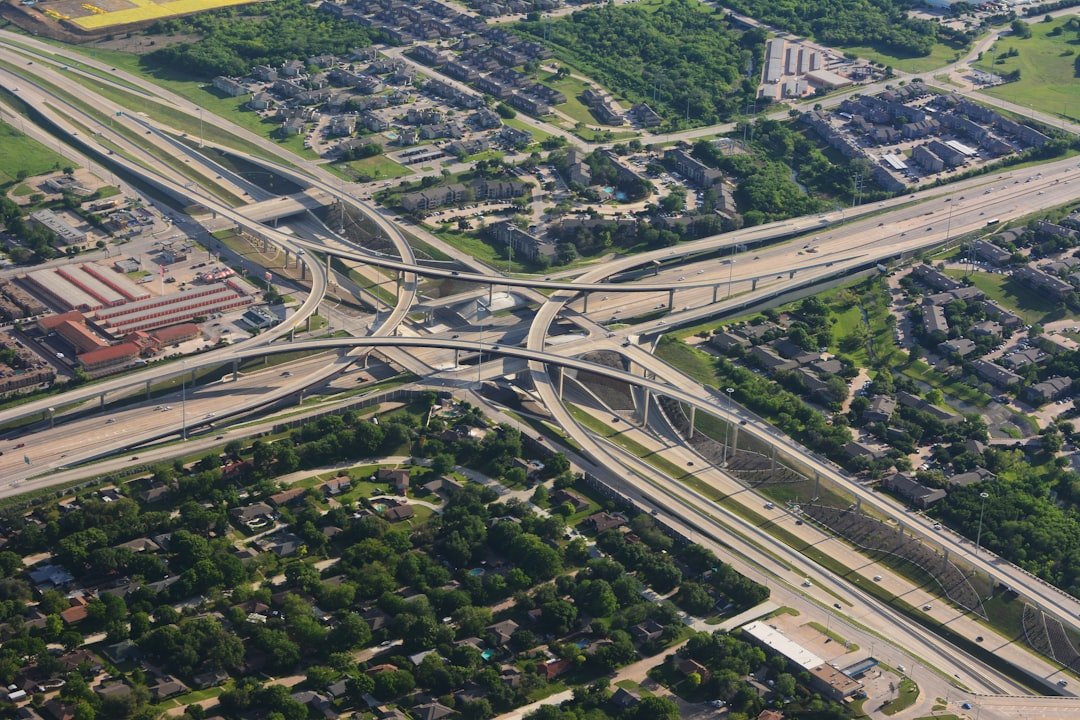
Driving from Tokyo to Kyoto is an adventure that many travelers overlook. While the Shinkansen (bullet train) is famous for its speed and efficiency, renting a car offers a completely different kind of freedom. You get to set your own pace, discover hidden gems along the way, and experience a side of Japan that’s simply inaccessible by train. The journey itself becomes a highlight of your trip, not just a way to get from A to B.
This guide is for you—the adventurous traveler ready to hit the road. We’ll break down everything you need to know for a smooth and enjoyable drive between Japan’s former and current capitals. We’ll cover the best routes, explain the toll system, and, most importantly, introduce you to the unique and convenient world of Japanese highway rest stops, known as Service Areas (SA) and Parking Areas (PA).
Choosing Your Route: Tomei vs. Shin-Tomei Expressway
When you plug “Kyoto” into your GPS from Tokyo, you’ll be presented with two main options for the bulk of your journey: the Tomei Expressway and the Shin-Tomei Expressway. They run roughly parallel to each other but offer very different driving experiences. Think of it as choosing between a scenic, classic route and a modern, efficient superhighway.
The Classic Route: Tomei Expressway
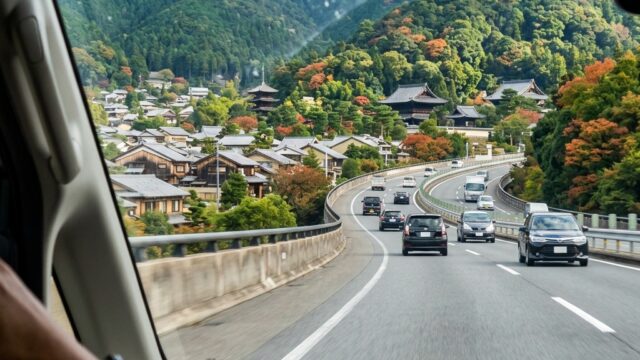
The Tomei Expressway is the original artery connecting Tokyo and Nagoya. It’s a bit older, has more curves, and generally sees more traffic, but it offers drivers more varied scenery. You’ll wind through mountains, catch glimpses of the Pacific coast, and, on a clear day, be treated to some of the most iconic views of Mt. Fuji available from any highway in Japan. This route is perfect for travelers who aren’t in a huge rush and want the drive to be part of the sightseeing experience. The gentle curves also keep the drive engaging, preventing the monotony that can set in on long, straight roads.
Because it’s been around longer, the Tomei is dotted with a greater number of Service Areas (SAs) and Parking Areas (PAs), many of which have been renovated over decades. This means more opportunities to stop, stretch your legs, and grab a bite to eat. However, be prepared for potential congestion, especially around major cities and on weekends. The road can feel a bit narrower in sections compared to its modern counterpart. Still, for a classic Japanese road trip feel, the Tomei is hard to beat. If you’re hoping to get that perfect shot of Mt. Fuji framed by the highway, this is your best bet. A drive on the Tomei is less about speed and more about enjoying the journey.
The Modern Route: Shin-Tomei Expressway
Opened in stages from 2012, the Shin-Tomei Expressway was built for the 21st century. It’s wider, straighter, and designed for higher speeds—parts of it have a speed limit of 120 km/h (about 75 mph), which is the fastest you can legally drive in Japan. If your priority is getting to Kyoto as quickly and with as little stress as possible, this is the route for you. The engineering is impressive, with long, well-lit tunnels and smooth, sweeping turns that make for an incredibly comfortable drive. It bypasses many of the urban centers that can clog up the old Tomei, leading to a more consistent travel time.
The trade-off for this efficiency is the scenery. The Shin-Tomei runs further inland and has more tunnels, meaning you’ll spend less time looking at the coastline or Mt. Fuji. The rest stops, branded as “NEOPASA,” are all modern, spacious, and clean, with excellent food courts and shopping facilities designed to be destinations in themselves. This route is ideal for families with kids who might get restless on a longer drive, or for anyone who values a smooth, predictable journey. It’s the pragmatic choice, but that doesn’t mean it’s without its own charms. The quality of the NEOPASA facilities offers a glimpse into modern Japan’s infrastructure.
Understanding the Toll System: ETC and Cash Payments
Japan’s expressway toll system can seem intimidating at first, but it’s quite straightforward once you understand the options. Navigating the toll gates smoothly is key to a stress-free drive. Your main choice will be between using an ETC card or paying as you go with cash or a credit card.
Why You Should Get an ETC Card
ETC stands for Electronic Toll Collection, and it’s a system that will make your drive much easier. An ETC reader is a small device mounted on the dashboard or windshield of your rental car, and an ETC card is inserted into it. When you book your rental car, make sure to request both an ETC reader and an ETC card. Most rental agencies offer this for a small fee, and it is worth every yen. When you approach a toll gate, you simply drive slowly (under 20 km/h) through the designated purple “ETC” lane. The system automatically records your entry and exit points and calculates the toll, which you’ll settle when you return the car.
The benefits are huge. First, there’s no need to stop, take a ticket, or handle cash. This saves a massive amount of time, especially during busy periods. Second, you get access to ETC-only discounts. Third, you can use “Smart ICs” (Smart Interchanges)—ETC-only exits and entrances that are often more conveniently located near attractions or smaller towns. For a foreign tourist, the convenience of not having to interact with a toll booth machine or attendant in Japanese is perhaps the biggest perk. Getting an ETC card is the single best tip for a Japanese road trip. For more details, check out our guide on why you should always book a rental car with an ETC reader in Japan.
Paying Without ETC: Cash and Credit Cards
If for some reason you don’t have an ETC card, you can still use the expressways. You’ll need to use the lanes marked “一般” (Ippan), which means “General.” When you enter the expressway, you must stop at the General lane gate and take a ticket from a machine. Do not lose this ticket!
When you exit, look for the “一般” (General) lane at the toll plaza. You’ll hand your ticket to the toll booth attendant or insert it into a machine. The machine will then display the toll fee. You can pay with cash, and many general lanes now accept credit cards (look for the credit card logo on the lane signs). However, some gates might be cash-only, so it’s best to have yen on hand. This process can be slow and breaks the flow of your drive. While it’s a viable backup, the seamless experience of ETC is so superior that we strongly recommend making it your top priority when arranging your rental car.
Calculating Your Costs: Tolls, Gas, and Time
A road trip from Tokyo to Kyoto is a fantastic experience, and it’s important to budget for it. The main costs will be your expressway tolls and gasoline. Here’s a rough breakdown to help you plan.
Estimated Expressway Tolls
Expressway tolls in Japan are calculated based on distance and vehicle type. Prices can vary slightly based on your exact entry and exit interchanges, but this will give you a solid estimate.
- Standard Car: Approximately ¥10,100
- Kei Car (Light Vehicle): Approximately ¥8,100
These are the standard, non-discounted rates. If you have an ETC card, you may be eligible for discounts. The main ones are the late-night discount (30% off for driving between midnight and 4 a.m.) and the holiday discount (30% off on Saturdays, Sundays, and national holidays on regional sections of the expressway). While the late-night discount might not fit a typical tourist schedule, the holiday discount can offer significant savings if you drive on a weekend. Still, it’s safest to budget for the full amount. Remember, this is a one-way cost.
Route Section Standard Car (Approx.) ETC Discount (Sample) Tokyo IC to Kyoto-Minami IC ¥10,070 Discounts vary by time/day (Via Tomei/Meishin)
Fuel Costs and Travel Time
Your travel time and fuel costs will depend on your route, your car’s fuel efficiency, and traffic. Without any major traffic jams or long stops, the drive takes between 5.5 to 7 hours. A more realistic estimate, including a couple of breaks, is 7 to 9 hours. Be mindful of traffic, especially when leaving Tokyo and passing through the Nagoya area.
The distance is roughly 450-500 kilometers (280-310 miles). Let’s estimate fuel costs:
* Assume your rental car gets about 15 km per liter (approx. 35 miles per gallon).
* You’ll need around 30-33 liters of gasoline.
* With gasoline prices around ¥175 per liter, your one-way fuel cost will be roughly ¥5,250 to ¥5,775.
Renting a hybrid car can significantly reduce this cost. If you’re debating which type of vehicle to get, our guide on renting hybrid vs. gasoline cars can help you decide. In total, for a one-way trip, you should budget around ¥16,000 to ¥18,000 for tolls and gas. While more expensive than a single Shinkansen ticket, if you’re traveling as a group of two or more, the cost per person becomes very competitive.
Must-Visit SA & PA Stops on the Tomei Expressway
The Tomei Expressway is the classic Japanese highway, and its rest stops are destinations in themselves, offering great food, unique souvenirs, and sometimes, breathtaking views. If you choose this route, be sure to schedule time for a few key stops.
Ebina SA: Japan’s Busiest Service Area
Located just outside of Tokyo in Kanagawa Prefecture, Ebina SA is often called the busiest Service Area in Japan. It’s more like a bustling shopping mall and food festival than a simple rest stop. The outbound side (towards Kyoto) is particularly well-known.
The food options are extensive, with multiple ramen shops, udon counters, and a huge food court. Ebina SA is legendary for one thing: its “Melon Pan” (a sweet bun with a cookie-like crust). The shop “Porutogaru” sells thousands daily, and you’ll often see a line. It’s a classic Japanese highway snack and worth the wait. Ebina is often crowded, but it’s an experience you shouldn’t miss. It’s a perfect place to grab your first meal of the trip and stock up on drinks and snacks. For an in-depth look, see our complete guide to Ebina SA.
Ashigara SA: Views of Mt. Fuji and a Place to Relax
Further down the Tomei, Ashigara SA (Outbound) offers a different vibe. Its main draw is its spectacular view of Mt. Fuji on a clear day. There are dedicated observation decks and even restaurants with large windows facing the iconic mountain. It’s one of the best photo opportunities on the entire route.
What truly sets Ashigara SA apart is its relaxation facilities. The outbound side features a public bath (not a natural hot spring, but still a fantastic bath) where you can soak away the stiffness of a long drive. There’s also a free foot bath (Ashiyu) for a quick refresh. The food court offers plenty of local Shizuoka specialties, like fresh seafood and green tea-flavored treats. Ashigara SA also has large green spaces, making it a great stop for families. It’s the ideal place for a longer, more restorative break.
Can’t-Miss SA & PA Stops on the Shin-Tomei Expressway
The Shin-Tomei Expressway might be the newer, more efficient route, but its “NEOPASA” rest stops are modern, spacious, and offer some of the best highway dining in the country. If you opt for speed and comfort, these are the stops you won’t want to miss.
NEOPASA Surugawan-Numazu: Ocean Views and Local Seafood
This is arguably the most scenic rest stop on the Shin-Tomei. Perched on a hill, NEOPASA Surugawan-Numazu (Outbound) offers a stunning panoramic view of Suruga Bay. The entire facility is designed to maximize this view, with a large observation deck and floor-to-ceiling windows. The theme is “a resort-like rest stop,” and it truly feels like one.
The food court is a highlight, specializing in fresh seafood from the nearby Numazu Port. You can find excellent *kaisen-don* (seafood rice bowls) and dishes featuring local specialties like *sakura ebi* (tiny pink shrimp). Many food stalls use a ticket machine system with pictures, making it easy for non-Japanese speakers to order. You buy a ticket, hand it to the kitchen staff, and take a buzzer that vibrates when your food is ready.
NEOPASA Okazaki: A Modern Hub with Everything You Need
As you get closer to Nagoya, NEOPASA Okazaki serves as the largest and most comprehensive rest stop on the Shin-Tomei. If you need to stop for anything—gas, food, shopping, a coffee break—this is the place to do it. It’s strategically located for a final major break before you navigate the highways around Nagoya and on to Kyoto.
The food hall is impressive, featuring a branch of Yabaton, a famous Nagoya restaurant known for its *miso katsu* (pork cutlet with a rich red miso sauce). This is a must-try regional dish. The facility also has a Starbucks, a 24-hour convenience store, an extensive souvenir shop, and ample EV charging stations. NEOPASA Okazaki is the epitome of the modern Japanese SA: efficient, delicious, and incredibly convenient.
Practical Tips for Your Tokyo-Kyoto Drive
Driving in a foreign country can be daunting, but with a little preparation, your journey will be a highlight of your trip. Here are some final practical tips.
Navigating and Staying Connected
Your rental car will likely come with a built-in navigation system, but it’s always a good idea to have a backup. Ask the rental agency to set the GPS language to English. Using Google Maps or Waze on your smartphone at the same time is highly recommended for real-time traffic updates. For this, you’ll need a reliable internet connection. Renting a pocket Wi-Fi device or getting a travel eSIM is essential. A phone holder for your dashboard is also an invaluable accessory.
What to Expect at Japanese Rest Stops
Japanese Service Areas (SAs) and Parking Areas (PAs) are far more than simple gas stations. The restrooms are famously clean, free, and equipped with high-tech toilets (washlets). Food courts often use a ticket vending machine or a buzzer system. You’ll be expected to sort your trash into separate bins (combustible, plastic, etc.). Most larger SAs have a 24-hour convenience store and an information desk. Staff are very helpful, even if English is limited.
Driving Manners and Rules of the Road
First and foremost, Japan drives on the left side of the road. This is the most critical rule to remember. Highway speed limits generally range from 80 to 120 km/h (50-75 mph), so pay close attention to the signs. The right lane is for passing only. After you overtake a vehicle, move back into the left or center lane. It’s considered rude to cruise in the passing lane. A unique custom is using your hazard lights for a quick flash or two to say “thank you” to a driver who let you merge. Finally, fatigue is a real danger. Don’t hesitate to pull over at an SA or PA for a nap or a coffee. The facilities are designed for this.
Conclusion
Driving from Tokyo to Kyoto is more than just a long commute; it’s a chance to see Japan from a unique perspective. It transforms the journey into an active adventure that you control. You have the freedom to stop whenever you see a beautiful view and the flexibility to spend an extra hour at a fascinating rest stop. The choice between the classic, scenic Tomei and the modern, efficient Shin-Tomei allows you to tailor the drive to your personal travel style.
By preparing for the journey—understanding the toll system, budgeting, and familiarizing yourself with the rules—you can eliminate stress and focus on the enjoyment. Securing a rental car with an ETC card is the single most important step for a smooth experience. The Japanese highway network is safe, well-maintained, and user-friendly, with world-class Service Areas that offer a delightful slice of Japanese culture and cuisine. So, while the Shinkansen is a fantastic option, don’t dismiss the idea of a road trip. The open road between Tokyo and Kyoto is waiting, filled with discoveries you’d otherwise miss. We hope this guide helps you feel confident and excited to get behind the wheel.