Driving the Izu Peninsula: Top Coastal Expressways and Scenic Rest Areas
Escaping the dense urban landscape of Tokyo for the natural beauty of the Izu Peninsula is a favorite weekend getaway for many locals, and it is highly recommended for foreign visitors renting a car in Japan. Located just a couple of hours south of the capital, the peninsula offers rugged coastlines, pristine beaches, and abundant natural hot springs. Driving allows you to trace the breathtaking coastal roads and stop at unique highway rest areas that offer much more than just a quick bathroom break. This guide will help you navigate the expressways leading to and around the Izu Peninsula, highlighting the most scenic rest stops, essential driving tips, and local seafood you absolutely must try along the way.
Planning Your Izu Peninsula Road Trip
Before you set out on your coastal adventure, understanding the best routes and toll systems will make your journey much smoother. The Izu Peninsula is accessible via a combination of major national expressways and regional toll roads, each offering a different driving experience.
Choosing the Best Route from Tokyo
When departing from Tokyo, the most straightforward and popular route to the Izu Peninsula is via the Tomei Expressway. You will start by navigating the Shuto Expressway out of the city center before merging onto the Tomei. This major highway is heavily used, so it is highly advisable to start your trip early in the morning to avoid the infamous weekend traffic jams, particularly around the Tokyo toll gates. As you head south, you will pass through Kanagawa Prefecture, where you can take your first break at large facilities like Ebina SA. From the Tomei Expressway, you will transition onto the Odawara-Atsugi Road, a regional toll road that leads you directly to the gateway of the peninsula.
The transition from the wide lanes of the Tomei Expressway to the narrower coastal roads marks the true beginning of your scenic drive. As you approach the city of Odawara, you will connect to the Seisho Bypass, a stunning stretch of road that runs right along the edge of Sagami Bay. The ocean views here are spectacular, especially on a clear day, and driving with the windows down allows you to feel the fresh sea breeze. It is important to note that the Seisho Bypass is vulnerable to high waves during typhoon season, and sections of it may close temporarily if the weather turns severe. Always check the digital electronic boards above the highway for real-time updates on road conditions before entering the bypass.
Once you pass Odawara, you have a choice to make depending on your destination within the peninsula. You can follow Route 135 straight down the eastern coast towards popular hot spring resort towns like Atami and Ito. Alternatively, if you want to explore the central mountainous region or head to the western coast, you can take the Hakone Turnpike or the Izu Skyline. Each route offers a completely different landscape, from dramatic ocean cliffs to lush, forested highlands. For a detailed guide on the broader route from the capital towards this region, our article on the Ultimate Tokyo to Mt. Fuji Drive: Best Tomei Expressway Route & Rest Stops provides excellent background information on navigating the initial stages of this journey.
Understanding Toll Roads and the Izu Skyline
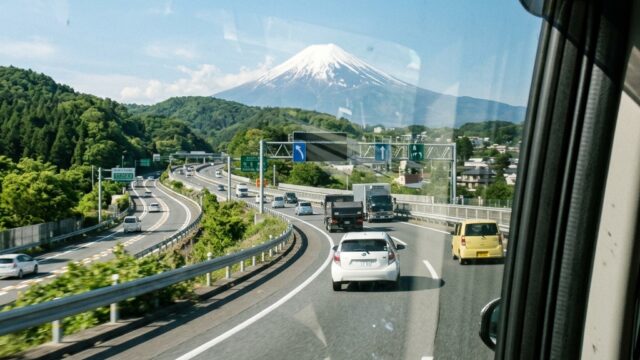
Driving around the Izu Peninsula involves navigating a mix of standard expressways, which accept ETC (Electronic Toll Collection) cards, and smaller, privately operated toll roads that sometimes do not. The Izu Skyline is arguably the most famous and scenic driving route on the peninsula. It runs along the eastern ridges of the Izu mountains, offering panoramic views of Sagami Bay on one side and Suruga Bay, often with Mt. Fuji in the background, on the other. This road is a favorite among driving enthusiasts for its smooth curves and relatively light traffic compared to the congested coastal Route 135 below.
However, a crucial point for international travelers to understand is that the Izu Skyline and several other regional toll roads in the area (such as the Hakone Turnpike) generally do not accept standard ETC cards. When you approach the entrance booths for these specific roads, you must be prepared to pay the toll in cash. The toll attendants are accustomed to tourists, but having small bills and coins readily available will make the transaction much faster and less stressful. The fees are usually calculated based on the distance you plan to travel on the ridge, so you will need to tell the attendant which exit you intend to take.
If you are sticking entirely to the major national highways like the Tomei Expressway, your ETC card will work perfectly. Simply drive slowly through the purple ETC lanes at the toll gates. If you are renting a car in Tokyo, ensure that your rental agency has provided you with an activated ETC card, as paying cash on the major expressways is much more time-consuming. Understanding which roads require cash and which accept electronic payment will save you from awkward moments at the toll booths. For more comprehensive details on how the ETC system functions across the country, check out our guide on How to Use ETC in Japan: A Complete Guide to Electronic Toll Collection.
Must-Visit Coastal Rest Areas
The rest areas along the coastal routes of the Izu Peninsula are exceptional because they fully embrace their seaside locations. They offer unique attractions, regional shopping, and dining experiences that you will not find at inland highway stops.
Ito Marine Town: A Colorful Seaside Oasis
If you are driving down the eastern coast of the peninsula on Route 135, stopping at the Roadside Station (Michi-no-Eki) Ito Marine Town is an absolute must. While technically a Michi-no-Eki rather than a traditional expressway Service Area, it functions in exactly the same way for drivers and is one of the most vibrant and comprehensive rest stops in all of Japan. You cannot miss it; the facility is designed to look like a brightly colored European marina, with pastel buildings lined up right against the ocean. It is a fantastic place to stretch your legs, take some vibrant photos, and enjoy the coastal atmosphere.
Ito Marine Town goes far beyond basic restrooms and vending machines. The complex houses a massive souvenir marketplace where you can purchase locally produced items like dried seafood, citrus jams, and regional crafts. The emphasis here is heavily on products sourced from the surrounding waters and orchards of Shizuoka Prefecture. If you are looking for unique gifts to bring back home, the selection here is vastly superior to standard convenience store offerings. Furthermore, the staff are very welcoming to international tourists, and you will find English signage throughout the main shopping areas.
Perhaps the most unique feature of Ito Marine Town is that it offers actual leisure activities. You can take a break from driving by boarding a sightseeing boat that departs directly from the marina, offering a short cruise along the coastline. Alternatively, if you prefer to stay on land, the facility boasts a massive outdoor foot bath (ashiyu) that stretches along the boardwalk. You can take off your shoes, soak your tired feet in the warm, natural hot spring water, and gaze out over the Pacific Ocean—all for free. This perfect blend of relaxation and convenience makes it a highlight of any Izu road trip.
Numazu Port and Surrounding Parking Areas
If your road trip takes you to the western side of the Izu Peninsula or if you are returning towards Tokyo via the Shin-Tomei Expressway, you will likely pass near the city of Numazu. While Numazu Port itself is a destination, the highway facilities serving this area heavily reflect the city’s status as a major fishing hub. Stopping at the Parking Areas (PA) or Service Areas (SA) in this vicinity, such as the Surugawan Numazu SA on the Shin-Tomei Expressway, provides a dramatically different experience from the eastern coast.
Surugawan Numazu SA is famous for its stunning architecture, designed to resemble a Mediterranean resort, and its sweeping views over Suruga Bay. The facility is elevated, meaning you can often see the ocean stretching out below you, and on clear days, you are treated to a spectacular view of the sun setting over the water. This Service Area is a prime example of how modern Japanese highway facilities are designed to be destinations in themselves. The interior is spacious, exceptionally clean, and filled with natural light, creating a very relaxing environment for tired drivers.
The shopping and dining options here are heavily focused on the fresh catch from nearby Numazu Port. You will find shops selling high-quality dried fish (himono), locally harvested seaweed, and various seafood-based snacks that are perfect for munching on during the rest of your drive. Unlike smaller, older rest stops, Surugawan Numazu SA also features premium retail stores and even a local farm market where you can buy fresh seasonal fruits like strawberries or mikan (mandarin oranges) grown in the sunny Shizuoka climate. It is a sophisticated, highly enjoyable stop that showcases the best of the region’s agricultural and marine wealth.
Driving Etiquette and Safety on Coastal Roads
Driving the coastal and mountainous roads of the Izu Peninsula is incredibly rewarding, but the terrain requires a cautious and respectful approach to driving.
Navigating Winding Cliffside Roads
The roads that hug the coastline, particularly on the western and southern edges of the peninsula, are exceptionally beautiful but can also be quite challenging to navigate. These roads are often narrow, winding, and carved directly into the sides of steep cliffs dropping down to the ocean. When driving on these sections, it is crucial to maintain a moderate speed and stay entirely within your lane. The curves can be sharp and blind, so always anticipate oncoming traffic, which may include large tour buses or local delivery trucks that require a wider turning radius.
You will frequently encounter local drivers who are very familiar with the curves and may drive faster than you feel comfortable doing. If you notice a line of cars forming behind you, look for designated pull-out areas (often marked with a “P” sign or a small widened shoulder) and briefly pull over to let faster traffic pass. This is standard driving etiquette in rural Japan and is highly appreciated by the locals. Doing so not only reduces the pressure on you as a driver but also ensures that you can enjoy the scenic drive at your own relaxed pace without feeling rushed.
Additionally, be extremely cautious of the weather conditions when driving along the cliffs. High winds coming off the ocean can push your vehicle, and heavy rain can cause localized rockfalls or mudslides. Always pay attention to the electronic warning signs located at the entrances to these coastal roads. If a sign flashes a warning for high waves or strong winds, it is often safer to take an alternative inland route. Staying alert and prioritizing safety over speed will ensure your coastal road trip remains a fantastic memory.
Dealing with Summer Traffic and Weather
The Izu Peninsula is a premier summer destination for Tokyo residents flocking to the beaches and coastal resorts. If you plan your road trip during the peak summer months (July and August) or during major Japanese holidays like Golden Week, you must be prepared for significant traffic congestion. The main coastal artery, Route 135, frequently experiences severe bottlenecks, especially around popular beach towns like Shirahama and Atami. To avoid spending hours sitting in your rental car, the best strategy is to start your driving very early in the morning, ideally hitting the road before 7:00 AM.
Summer weather in this region also brings intense heat and high humidity, which can quickly lead to driver fatigue. Make sure your rental car’s air conditioning is functioning perfectly before leaving the agency. It is essential to stay hydrated, so use the frequent highway rest stops to purchase cold drinks from the vending machines or convenience stores. Keeping a cooler bag in the car for chilled water and snacks is a great idea. Moreover, the strong summer sun reflecting off the ocean can be blinding, so wearing high-quality polarized sunglasses is highly recommended for safety and comfort.
Typhoon season, which typically peaks between August and October, presents another significant weather challenge. Typhoons bring torrential rain and gale-force winds that can make coastal driving extremely dangerous. During a severe storm, expressway operators may close entire sections of the coastal toll roads, and local roads may flood. If a typhoon is forecast to hit the region, the safest option is to alter your travel plans and avoid driving near the coast altogether. For more comprehensive advice on handling severe weather on the road, read our guide on Driving in Japan During Typhoon Season: Essential Expressway Safety and Planning Tips.
Experiencing Local Seafood on the Highway
You do not need to book a table at a fancy seaside restaurant to enjoy the incredible seafood of the Izu Peninsula. The highway Service Areas and Michi-no-Eki in this region serve some of the freshest and most delicious marine cuisine in the country.
Fresh Sushi and Seafood Bowls at Rest Stops
One of the most pleasant surprises for international travelers is discovering that Japanese highway food courts serve high-quality, fresh, raw seafood. Because facilities like Surugawan Numazu SA and Ito Marine Town are located so close to major fishing ports, the seafood is brought in daily. You can easily find food stalls and restaurants within these rest stops offering luxurious seafood bowls (kaisendon). These bowls feature generous portions of tuna, salmon, sea urchin, and local white fish served over a bed of perfectly seasoned sushi rice.
The quality of the seafood served at these highway facilities rivals that of proper restaurants in Tokyo, but at a more accessible price point and with the ultimate convenience for drivers. When you order a seafood bowl, it often comes as a set meal with a bowl of hot miso soup and a small side of pickled vegetables. Eating a bowl of fresh, vibrant sashimi while looking out over the ocean from the food court window is an experience that completely redefines the concept of “highway food.”
If you prefer your seafood cooked, you will also find plenty of excellent options. Deep-fried horse mackerel (aji-fry) is a local specialty in the Izu and Numazu areas. The fish is coated in crispy panko breadcrumbs and fried until golden brown, resulting in a dish that is crunchy on the outside and incredibly fluffy on the inside. It is typically served with shredded cabbage and a tangy sauce. Whether you prefer raw sushi or hot, fried dishes, the coastal rest stops provide an exceptional culinary journey that reflects the rich marine environment of the peninsula.
Dried Fish (Himono) and Regional Snacks
While fresh seafood is fantastic for a meal, the coastal rest stops also excel in offering marine products that you can take with you. The Izu Peninsula, and particularly the area around Numazu, is famous throughout Japan for its dried fish, known as himono. The process of salting and sun-drying the fish concentrates its umami flavor and preserves it. At the larger Service Areas, you will find extensive refrigerated sections dedicated entirely to various types of himono, ranging from small mackerel to large, premium sea bream.
While you might not be able to cook himono in your rental car, these shops often sell smaller, ready-to-eat dried seafood snacks that are perfect for the road. Dried squid, seasoned scallops, and small roasted fish are incredibly popular driving snacks among locals. They are savory, protein-rich, and pair perfectly with a cold bottle of green tea. Exploring the snack aisles at these coastal rest stops allows you to try unique, localized flavors that you simply will not find in standard convenience stores in the city.
In addition to seafood snacks, Shizuoka Prefecture is also famous for its wasabi production, as the clean mountain water is ideal for cultivating the root. You will find a myriad of wasabi-flavored products at the rest stops, ranging from wasabi potato chips and rice crackers to wasabi salt. If you are feeling adventurous, look for the food stalls selling wasabi soft-serve ice cream. The combination of sweet, creamy vanilla and the sharp, pungent kick of real wasabi is a highly unusual but surprisingly refreshing treat that you absolutely must try while driving through the region.
Facilities and English Accessibility
Japanese highway facilities are designed for maximum convenience, and the major stops along the routes to the Izu Peninsula are very accommodating to international visitors.
Using Restrooms and Finding EV Chargers
The standard of cleanliness in the restrooms at Japanese Service Areas and Parking Areas is world-class, and the facilities along the coastal routes are no exception. You will find large, well-lit restroom buildings that are constantly maintained by cleaning staff. The stalls are equipped with high-tech electronic toilets that feature heated seats and bidet functions. These facilities are spacious enough to accommodate the large crowds that travel during the summer holidays, ensuring that you rarely have to wait in line for long, even during peak season.
Accessibility is also a major priority. Every large Service Area and Michi-no-Eki features dedicated multi-purpose restrooms that are fully wheelchair accessible and equipped with baby changing tables and ostomy facilities. These rooms are clearly marked with universally recognized symbols. Furthermore, many of the newer or recently renovated rest stops feature comfortable nursing rooms with private booths and hot water dispensers for preparing baby formula, making road trips with infants significantly easier.
For environmentally conscious travelers renting electric vehicles (EVs), the infrastructure on Japanese expressways is excellent and continually expanding. Major facilities like Surugawan Numazu SA are equipped with multiple rapid EV charging stations in the parking lot. You can plug your rental car in to charge while you enjoy a seafood bowl or browse the souvenir shops. It is highly recommended to download an EV charging map app provided by your rental agency to plan your charging stops accurately, as the charging stations can be in high demand during busy travel weekends.
Ordering Food Without Speaking Japanese
Ordering food at a bustling highway food court might seem intimidating if you do not speak Japanese, but the system is actually designed to be highly visual and intuitive. At almost all major Service Areas, the ordering process is handled through ticket vending machines. You do not need to interact with a cashier to place your order. The menus are prominently displayed using highly realistic plastic food models in glass cases, or large colorful posters with clear photos of every dish. You simply find the dish that looks appetizing, note the number next to it, and head to the machine.
Most modern vending machines in these facilities have touchscreens that offer an English language toggle button, usually located in the top right corner of the screen. Once you switch the language, the entire menu, including prices and descriptions, will be displayed in English. You can easily navigate the categories, select your meal, and pay using cash or an IC card like Suica. The machine will print a ticket with an order number.
If you encounter an older machine with only Japanese text and physical buttons, you can still order easily. The buttons usually feature small photos of the dishes. After you purchase your ticket, you may need to hand it to the staff at the cooking counter. They will give you an electronic buzzer that will vibrate and flash when your food is ready. This efficient system completely eliminates the language barrier, allowing you to confidently order and enjoy local delicacies without needing to speak a word of Japanese.
Combining Highway Stops with Local Attractions
The best way to enjoy a road trip around the Izu Peninsula is to seamlessly blend the convenience of the highway rest stops with the natural and cultural attractions that the region has to offer.
Hot Springs (Onsen) and Foot Baths
The Izu Peninsula is one of Japan’s most famous hot spring destinations, and you do not have to wait until you check into a traditional ryokan (inn) to experience the healing waters. Several highway rest stops and Michi-no-Eki in the region incorporate natural hot springs directly into their facilities. As mentioned earlier, Ito Marine Town features a fantastic, free outdoor foot bath (ashiyu) where you can relax while overlooking the ocean.
If you want a full bathing experience, some Michi-no-Eki have complete bathhouses attached to them. Taking a break to soak in an onsen midway through your drive is the ultimate way to relieve the physical stiffness that comes from sitting in a car. You will need to bring your own small towel, though you can usually purchase one at the reception desk for a few hundred yen. Remember that traditional Japanese bathing rules apply: you must shower and wash your body completely before entering the communal baths, and bathing suits are strictly prohibited.
Incorporating these hot spring breaks into your itinerary transforms a simple driving day into a deeply relaxing cultural experience. It is particularly wonderful if you are driving during the colder months, as the hot mineral water warms you to the core. Just be sure to drink plenty of water after your bath, as the heat can be dehydrating, and you want to remain alert for the remainder of your drive.
Planning Your Driving Schedule
To truly appreciate the beauty of the Izu Peninsula and the unique offerings of its coastal rest areas, you need to plan a relaxed and flexible driving schedule. The peninsula is larger than it appears on a map, and the winding coastal roads mean that traveling relatively short distances can take much longer than anticipated. Do not try to rush around the entire peninsula in a single day; instead, focus on a specific region, such as the eastern coast or the central highlands, and take your time.
When building your itinerary, allocate specific time slots for the major Service Areas and Michi-no-Eki. Treat them as tourist attractions rather than just pit stops. For example, plan to arrive at Surugawan Numazu SA right around lunchtime so you can enjoy the fresh seafood bowls, or time your visit to a coastal foot bath for the late afternoon when you can watch the sunset.
- Start your drive from Tokyo early (before 7:00 AM) to beat the traffic.
- Allocate at least 45 minutes for stops at major facilities like Ito Marine Town.
- Keep cash handy for the privately operated scenic toll roads.
- Plan your lunch around rest stops near major fishing ports for the best seafood.
- Avoid driving on the coastal roads during heavy rain or typhoon warnings.
By allowing for spontaneity and giving yourself permission to linger at a beautiful viewpoint or a fascinating souvenir shop, you will experience the very best of what Japanese road trips have to offer. The journey itself becomes just as enjoyable as the final destination.
Conclusion
Driving around the Izu Peninsula offers an unforgettable road trip experience that perfectly combines stunning natural landscapes with the unparalleled convenience of Japanese highway rest stops. From the high-speed efficiency of the Tomei Expressway to the breathtaking, winding coastal paths of Route 135 and the Izu Skyline, the journey provides a diverse and exciting driving adventure for international visitors. By renting a car, you unlock the freedom to explore hidden beaches, cliffside viewpoints, and remote hot springs that are difficult to reach by train or bus.
The coastal rest areas, particularly standout facilities like Surugawan Numazu SA and the vibrant Ito Marine Town, elevate the standard road trip into a culinary and cultural journey. The opportunity to eat incredibly fresh, locally caught seafood, shop for unique regional crafts, and even soak your tired feet in a natural hot spring without ever leaving the highway system is a uniquely Japanese luxury. These stops are thoughtfully designed to ensure your comfort, with high-tech, impeccably clean restrooms and highly accessible English-friendly ordering systems in the food courts.
Remember to plan your route carefully, keeping in mind the differences between standard expressways that accept ETC cards and the regional scenic toll roads that require cash. Always respect the local driving etiquette, especially on the narrow coastal curves, and remain vigilant about changing weather conditions during the summer and typhoon seasons. By driving safely and taking the time to fully explore the incredible Service Areas along the way, your road trip around the Izu Peninsula will undoubtedly be a highlight of your travels in Japan.