Hanyu SA (Onihei Edo Dokoro): A Samurai-Era Theme Park on the Tohoku Expressway
For international tourists seeking a genuinely authentic, deeply historical, and highly memorable Japanese experience, traveling far beyond the brightly lit, hyper-modern neon streets of Tokyo is an absolute, undeniable necessity. Renting a car and driving directly north into the rugged, highly beautiful, deeply traditional Tohoku region offers an absolutely incredible, highly rewarding journey into the deep cultural heart of the country. However, you absolutely do not need to wait until you finally reach the distant, snowy prefectures of Aomori or Akita to begin your deep historical immersion. Located directly on the massive, highly vital Tohoku Expressway, just a relatively short drive north of the massive capital city, lies one of the most incredibly unique, highly celebrated, and deeply surprising highway rest stops in the entire world: Hanyu SA.
Specifically, the Inbound (Nobori) side of this massive facility, officially named “Onihei Edo Dokoro,” has been completely, meticulously, and incredibly expensively transformed from a standard, boring highway facility into a stunningly accurate, highly immersive, deeply engaging recreation of a bustling 19th-century Edo period street. It is absolutely not just a simple place to stretch your legs; it is a genuinely massive, highly curated, incredibly popular historical theme park where you can eat, shop, and relax exactly as weary samurai and merchants did hundreds of years ago. This comprehensive guide will completely prepare you to fully experience this absolutely incredible, highly unique highway time machine.
Driving the Tohoku Expressway: The Gateway to Northern Japan
Before you can fully, deeply immerse yourself in the incredible samurai-era atmosphere of Hanyu SA, you must first safely, confidently navigate the initial, highly crucial stages of the massive highway that takes you there. The Tohoku Expressway is the absolute primary, most highly critical, heavily utilized terrestrial lifeline directly connecting the massive Tokyo metropolis to the entire northern half of the main Japanese island of Honshu.
Preparing for Long Distances and Straight Roads
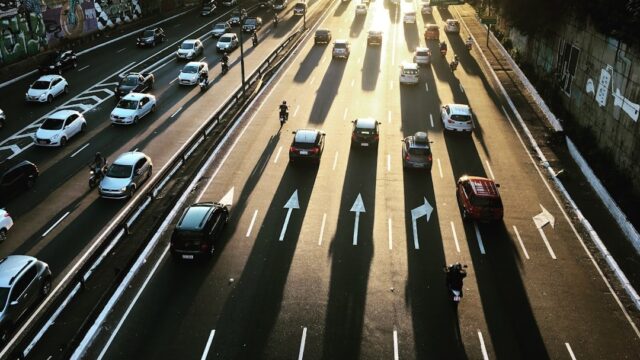
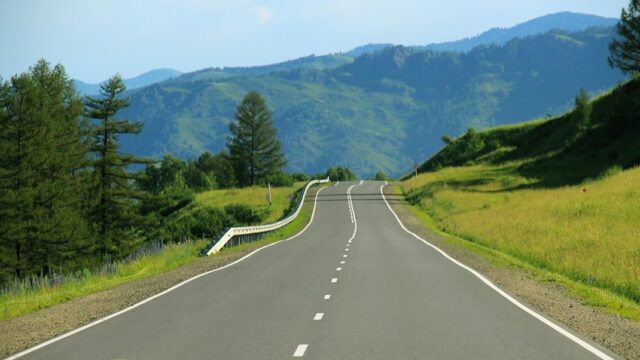
When you explicitly, deliberately plan a highly ambitious, highly anticipated driving vacation that utilizes the massive Tohoku Expressway, you must absolutely, unequivocally be completely, thoroughly prepared for incredibly long, deeply sustained periods of high-speed highway driving. Unlike the highly winding, incredibly complex, intensely mountainous routes found in central Japan (like the Chuo Expressway), the initial, massive southern sections of the Tohoku Expressway (particularly as it cuts directly through Saitama and Tochigi Prefectures) are heavily characterized by incredibly long, deeply straight, highly flat stretches of wide, multi-lane asphalt.
While this highly linear, incredibly smooth design initially makes for very easy, highly relaxing, stress-free cruising, it actively, dangerously presents a very specific, highly notorious driving hazard: severe, deeply overwhelming highway hypnosis and intense driver fatigue. Because the immediate surrounding scenery is often highly repetitive, consisting mostly of massive concrete sound barriers and flat agricultural fields, and the actual physical act of driving requires very minimal steering input, your brain can very quickly, dangerously switch into an unfocused autopilot mode. Therefore, it is absolutely, strictly mandatory to highly strategically, incredibly carefully plan frequent, highly deliberate rest stops entirely regardless of whether you actually feel physically tired or urgently need to use the bathroom. You must actively, firmly commit to pulling your rental car off the massive highway at least once every single two hours. Completely stepping out of the small vehicle, deeply breathing the fresh outside air, and rapidly, vigorously stretching your stiff legs is the absolute, undeniable, fundamental key to safely, successfully conquering the massive, incredibly long distances of the Tohoku Expressway without succumbing to highly dangerous driver fatigue. Preparation and scheduled rest are absolutely everything when managing this specific type of monotonous driving, ensuring you stay highly alert, completely safe, and genuinely ready to enjoy the unique cultural stops along the way.
Managing Winter Weather North of Tokyo
If you are deeply, genuinely committed to ensuring a completely safe, highly efficient, entirely stress-free driving experience on the massive Tohoku Expressway, particularly during the late autumn or heavily snowy winter months, you must deeply, constantly respect the highly severe, incredibly fast-changing weather conditions. While the highway seamlessly, gently begins in the relatively flat, highly temperate, heavily urbanized climate of the greater Tokyo area, it aggressively, relentlessly pushes directly north into regions completely, globally famous for receiving some of the absolutely heaviest, most intensely concentrated snowfall on the entire planet.
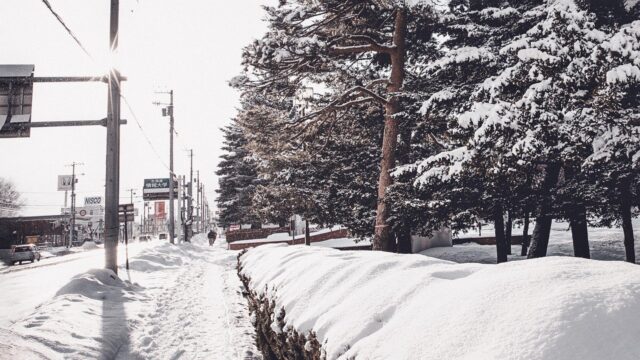
Therefore, it is absolutely, strictly mandatory to explicitly, clearly, and repeatedly ask your specific rental car agency to heavily, completely equip your vehicle with highly durable, premium winter tires (which are universally called “studless tires” in Japan) if you are traveling anytime between mid-November and early April. Do not even attempt this massive northern drive without them. Furthermore, you must deeply, constantly, and vigilantly monitor the highly accurate electronic overhead highway signs (which heavily, smartly utilize highly visual, easily understood symbols for heavy snow, black ice, or sudden chain restrictions) and severely, aggressively reduce your driving speed the exact moment you physically notice the outside temperature rapidly dropping or see snowflakes beginning to fall. The massive, highly efficient Japanese highway authorities will frequently, actively enforce mandatory tire checks at specific toll booths during heavy winter storms, heavily forcing completely unprepared drivers off the main road entirely. Understanding, deeply respecting, and actively anticipating these highly volatile, deeply unpredictable northern winter weather conditions is the absolute, undeniable, fundamental key to ensuring a completely safe, highly enjoyable road trip.
- Combat Highway Hypnosis: The long, straight roads demand frequent, highly deliberate rest stops every two hours to maintain deep focus.
- Winter Tires are Mandatory: Never attempt to drive north into the Tohoku region during winter without premium studless tires installed on your rental car.
- Watch for Chain Restrictions: During heavy snow, highway authorities may mandate tire chains. Be prepared or risk being forced off the road.
- Utilize the ETC System: Tolls for the massive distances to Aomori are extremely high. An ETC card is absolutely essential for fast passage and discounts.
Step Back in Time: Welcome to Onihei Edo Dokoro
When you finally, happily pull your modern rental car off the fast-moving, highly stressful main lanes of the Tohoku Expressway and specifically enter the Inbound (Nobori) side of Hanyu SA (heading back towards Tokyo), you are immediately, visibly presented with an absolutely incredible, highly shocking visual contrast. You have entirely left the modern 21st century behind.
The Incredible Edo Period Architectural Design
The absolute very first, highly impactful, deeply memorable thing you will instantly, deeply realize is the absolutely staggering, completely overwhelming, incredibly massive physical dedication to complete historical authenticity. This is absolutely, unequivocally not a standard, aging, purely functional concrete rest stop decorated with a few cheap paper lanterns. The entire massive, sprawling commercial facility has been completely, entirely, and incredibly expensively constructed to perfectly, flawlessly replicate a highly specific, bustling commercial street from the Japanese Edo period (1603-1867), specifically drawing massive, highly detailed inspiration from a deeply famous, incredibly popular Japanese historical novel and television series called “Onihei Hankacho.”
The massive, highly complex, sprawling exterior architecture heavily, proudly features incredibly authentic, highly detailed wooden merchant houses (machiya), deeply traditional clay-tiled roofs, perfectly recreated ancient watchtowers, and beautifully aged, highly rustic wooden signboards (kanban) written in classical Japanese calligraphy. The incredible, highly obsessive attention to minute historical detail is genuinely, undeniably breathtaking; they have deliberately, carefully aged the massive wooden support beams to look entirely authentically weathered, and they completely, entirely hide all modern infrastructure like massive air conditioning units and bright electrical wiring from plain sight. Even the massive parking lot area immediately directly in front of the main building is carefully, thoughtfully designed to look like an ancient, dusty post town station, complete with specialized lighting to enhance the historic mood. Deliberately taking just a few quiet minutes to carefully, thoroughly walk around the massive exterior, deeply admire the incredible, highly skilled traditional carpentry, and take dozens of highly unique, deeply memorable photographs is absolutely highly critical, deeply essential to fully, deeply appreciating the massive scale of this incredible, highly unique roadside architectural achievement before you even step foot inside to eat. It is a true marvel of modern historical recreation that deeply respects Japan’s rich cultural heritage.
Immersive Atmosphere and Staff in Period Costumes
As you confidently, eagerly walk through the massive, heavily curtained main wooden entrance doors, the incredible, highly immersive historical illusion becomes even more deeply, intensely complete. You completely, entirely avoid the highly depressing, deeply sterile fluorescent lighting and sad, highly processed atmosphere commonly found on foreign interstates. Instead, you are immediately, warmly welcomed into a beautifully designed, highly atmospheric interior deliberately lit to perfectly, flawlessly mimic the soft, highly inviting, deeply relaxing glow of traditional oil lamps and paper lanterns (chochin) at dusk.
To completely, entirely sell this massive, highly complex historical illusion, the facility relies heavily on much more than just incredible architecture. The absolute most deeply impressive, highly entertaining, incredibly unique feature is the highly dedicated, incredibly enthusiastic staff. Every single person actively working in the massive food courts, the bustling souvenir shops, and even the central information desk is fully, completely dressed in highly accurate, beautifully tailored, deeply authentic Edo-period clothing. You will be warmly, loudly greeted by energetic shopkeepers wearing traditional merchants’ aprons (maekake), cooks wearing classic cotton headbands (tenugui), and roaming security staff dressed entirely as ancient town watchmen. The ambient background music constantly playing throughout the massive facility exclusively features deeply traditional, highly atmospheric Japanese instruments like the shamisen and shakuhachi flute, and you will frequently, surprisingly hear highly entertaining, highly authentic street vendor calls (kakegoe) echoing loudly through the main hall. This highly elevated, deeply premium, incredibly thoughtful approach to completely theatrical immersion flawlessly transforms a simple, highly mundane highway bathroom break into a genuinely exciting, highly anticipated, deeply satisfying cultural event that perfectly, beautifully sets the tone for your entire incredible Japanese vacation. It completely redefines the road trip experience, actively blurring the strict line between a highly functional rest area and a premium, deeply immersive historical amusement park.
Authentic Edo-Era Culinary Experiences
Because Hanyu SA (Onihei Edo Dokoro) is entirely, completely dedicated to flawlessly recreating the past, the specific culinary offerings available inside the massive, highly atmospheric food courts are absolutely phenomenal, heavily leaning into deeply traditional, highly historic recipes that samurai and wealthy merchants would have actively, eagerly consumed centuries ago.
Traditional Unagi (Eel) and Historic Soba Noodles
If you are deeply, highly interested in eating an incredibly hearty, highly satisfying, deeply authentic hot meal that perfectly, completely represents the highly specific, deeply celebrated historical culinary culture of old Edo (Tokyo), you absolutely, unequivocally must aggressively seek out the specific food stalls actively, proudly serving deeply traditional Unagi (freshwater eel) and highly historic Soba (buckwheat noodles). During the Edo period, these were the absolute most famous, highly beloved, deeply satisfying fast foods of the bustling capital city.
The absolutely incredible, highly dedicated eel restaurant located directly inside the massive facility painstakingly, carefully prepares incredibly thick, highly premium fillets of fresh eel exactly according to the highly specific, deeply traditional Kanto (Eastern Japan) method. This highly complex, incredibly time-consuming process involves skillfully butterflying the eel from the back, slowly, deeply steaming it to incredibly tender, melt-in-your-mouth perfection, and then repeatedly, carefully grilling it over incredibly hot, highly fragrant binchotan charcoal while heavily, generously basting it in a deeply rich, highly sweet, intensely savory, deeply complex soy-based tare sauce. It is served proudly over a massive bed of hot, highly polished white rice in a beautiful traditional lacquered box. Alternatively, if you strongly prefer a highly traditional, slightly lighter option, you absolutely must try the deeply historic, completely authentic Edo-style soba noodles. These incredibly thin, highly delicate, deeply earthy buckwheat noodles are served icy cold on a traditional bamboo mat (zaru soba) with a highly savory, deeply sharp, incredibly rich soy and bonito dipping broth (tsuyu) that is deliberately, historically much darker and stronger than the broths found in western Japan. Eating these incredibly complex, highly regional, deeply authentic dishes in a bustling, perfectly recreated historical setting completely ensures you are deeply satisfied, incredibly full, and highly energized, perfectly fueling the final, demanding leg of your highway journey back into the dense urban core of Tokyo.
Street Food Snacks: Ningyo Yaki and Kuzu Mochi
While the massive, incredibly busy indoor food courts offer absolutely spectacular, highly satisfying hot sit-down meals, one of the absolute most deeply unique, highly popular, incredibly defining features of this samurai theme park is the massive, sprawling, highly active “street food” section. Because the massive facility is directly, entirely designed to flawlessly mimic a bustling commercial street, it heavily, proudly features incredible, highly authentic historical snacks that were famously, heavily consumed by the common people of the Edo period while actively walking the busy streets.
You absolutely, unequivocally must immediately seek out the dedicated, highly specialized sweet stalls prominently, beautifully featured directly near the main entrance. You must absolutely try the deeply famous, highly addictive Ningyo Yaki (literally “baked dolls”). These are incredibly soft, highly fluffy, deeply warm, beautifully molded small sponge cakes completely, generously filled with a deeply rich, highly sweet, incredibly smooth red bean paste (anko). At Onihei Edo Dokoro, these highly traditional cakes are often cleverly, beautifully baked into highly specific, deeply fun shapes completely related to the historical samurai theme. Alternatively, if you strongly, deeply prefer a cool, highly refreshing, heavily satisfying traditional dessert, you can easily, rapidly purchase incredibly fresh, highly authentic Kuzu Mochi. This is a highly unique, deeply historical, entirely vegan Japanese sweet made from fermented wheat starch, resulting in an incredibly unique, highly chewy, deeply satisfying texture. It is heavily, generously topped with deeply rich, highly roasted, deeply fragrant soybean powder (kinako) and completely drenched in a highly thick, intensely sweet, deeply complex black sugar syrup (kuromitsu). These highly traditional, perfectly textured, incredibly fresh historical sweets consistently provide a relatively highly healthy, deeply satisfying, entirely uniquely Japanese culinary experience that perfectly and wonderfully prepares your body and mind for the long, highly demanding drive back into modern Tokyo.
Must-Try Edo Food Where to Find It Flavor Profile Best Time to Eat Kanto-Style Unagi (Eel) Premium Restaurant Stall Deeply rich, highly savory, sweet soy glaze over tender steamed/grilled eel Heavy, highly luxurious lunch or dinner Edo-Style Zaru Soba Noodle Shops Highly earthy buckwheat noodles with a sharp, incredibly dark, rich dipping broth Light, highly refreshing meal to avoid driving drowsiness Ningyo Yaki & Kuzu Mochi Street Food Kiosks Incredibly sweet red bean cakes and highly chewy mochi with dark syrup Traditional, highly satisfying driving snack
Practical Tips for Modern Travelers
Beyond the absolutely incredible, highly historical food and the massive, deeply surprising architectural immersion, Hanyu SA (Onihei Edo Dokoro) is fundamentally, deeply designed to be an incredibly functional, highly efficient, deeply necessary logistical hub for long-distance drivers returning to Tokyo.
Buying Unique Samurai and Ninja Souvenirs
Japanese highway Service Areas are deeply, globally famous for their incredibly massive, highly curated, deeply impressive souvenir (omiyage) shops, and this highly premium, incredibly unique historical facility is absolutely the ultimate, completely undisputed national champion of incredibly unique, highly themed cultural gifts. Before you finally, aggressively leave the massive facility to completely merge back onto the fast-moving Tohoku Expressway and return to the 21st century, you absolutely must deliberately dedicate at least a full 30 minutes to thoroughly, deeply exploring the massive, highly bustling, beautifully designed retail area located directly adjacent to the main food court.
The massive, highly organized, sprawling shops heavily, proudly, completely focus on incredibly high-quality, highly specific local artisan products and highly unique, deeply fun historically themed merchandise that you simply cannot easily buy in standard, highly modern Tokyo department stores. You will reliably, instantly find an absolutely massive, completely overwhelming, highly beautifully presented variety of highly unique items, including incredibly detailed, highly accurate replica samurai swords (perfect for display), beautifully crafted, highly traditional wooden ninja toys for children, highly complex, deeply traditional Japanese folding fans (sensu), and beautifully printed, highly authentic tenugui (traditional cotton hand towels) featuring classic Edo period artwork. Buying these highly specific, deeply historical, incredibly authentic items directly at this massive, highly central highway rest stop entirely saves you the massive, deeply frustrating, highly time-consuming hassle of frantically searching for unique, memorable souvenirs later in your busy trip. It completely allows you to efficiently, happily check off your entire gift-buying list with incredibly fun, deeply memorable items that your friends and family back home will genuinely, actively love. It is the ultimate, highly convenient, deeply strategic themed shopping destination, ensuring that every single purchase feels like a genuine, carefully curated piece of vibrant Japanese history.
Finding Modern Restrooms Hidden in Historic Buildings
As is highly, consistently, and incredibly strictly standard across the entire premium, highly maintained Japanese highway network, the massive public restrooms at Hanyu SA are absolutely incredibly, completely spotless, deeply hygienic, and highly, heavily modernized to a genuinely shocking, deeply impressive degree. However, what specifically, completely sets this incredible facility apart from almost any other standard facility in the entire country is exactly how cleverly, seamlessly, and beautifully these highly advanced, ultra-modern facilities are completely, flawlessly hidden entirely behind deeply traditional, highly historical Edo-period architectural facades.
When you actively, urgently seek out the massive public restrooms, you will visually, immediately approach what appears to be a highly traditional, incredibly rustic, deeply authentic 19th-century wooden bathhouse (sento) or a massive, deeply historical merchant warehouse (kura). The massive wooden exterior sliding doors and the deeply traditional hanging linen curtains (noren) look completely, incredibly authentic. However, the exact, highly surprising moment you physically step through the historical threshold, you are instantly, entirely transported back to the absolute cutting edge of modern Japanese sanitation technology. The massive, sprawling interior actively features literally dozens upon dozens of highly private, fully enclosed, deeply secure stalls heavily equipped with the absolute latest, incredibly modern, highly complex electronic washlet (bidet) toilets featuring deeply comfortable heated seats, automated, highly silent, entirely touchless flushing sensors, and integrated privacy sound masking systems. For international tourists aggressively trying to deeply avoid the highly dirty, entirely unpleasant public restroom experiences frequently found on massive foreign highways, these absolutely pristine, highly maintained, technologically advanced Japanese facilities hidden brilliantly inside historical architecture are a massive, highly welcoming, deeply comforting relief. They significantly, noticeably reduce deep travel stress and perfectly, flawlessly blend the absolute best of ancient Japanese aesthetics with the absolute peak of modern Japanese hygiene, ensuring a truly relaxing experience.
Conclusion
Driving heavily, confidently along the highly complex, massively utilized Tohoku Expressway and actively, deliberately choosing to stop at the legendary Hanyu SA (Onihei Edo Dokoro) is an absolutely phenomenal, deeply unforgettable, highly recommended road trip experience. It completely, flawlessly highlights the massive, highly impressive civil engineering capabilities of the Japanese highway system and deeply showcases the country’s completely unparalleled, highly unique, incredibly massive dedication to elevating basic roadside hospitality into a highly curated, deeply immersive theatrical art form. Navigating this highly complex, incredibly massive, highly utilized northern route requires careful, highly strategic, deeply meticulous planning, particularly regarding the absolute necessity of premium winter tires and heavily, consistently managing intense driver fatigue over long, straight distances. However, the massive, highly tangible, deeply satisfying reward for taking this specific, highly essential route is the incredible, highly unique, entirely memorable opportunity to actively, deeply experience the absolute most unique rest stop in Japan.
Onihei Edo Dokoro is absolutely not just a simple, deeply boring, entirely utilitarian place to quickly refuel your rental car and rapidly grab a highly processed, sad, deeply depressing snack. It is a massive, highly curated, deeply exciting, highly elevated historical, cultural, and culinary mega-destination entirely in its own right. From the completely unparalleled, incredibly delicious, highly traditional Edo-style Unagi and the deeply satisfying, highly authentic street food snacks, to the absolutely incredible, highly modernized, beautifully hidden massive restroom complexes and the highly enthusiastic, fully costumed staff, the rest stop completely changes how you view long-distance highway travel. By highly intelligently, deliberately, and strategically planning your long, highly demanding inbound drive to explicitly, deliberately include a long, highly relaxing, deeply appreciative, unhurried stop at this incredible Edo theme park, you actively, successfully, and completely transform a highly mundane, incredibly stressful highway transit into one of the absolute most deeply memorable, highly enjoyable, entirely unique historical highlights of your entire Japanese road trip vacation. Step back in time, eat like a samurai, and enjoy the incredible ride back to Tokyo.