Ultimate Winter Drive: Tokyo to Nagano via Kan-Etsu Expressway (Snow Tire Guide & Rest Stops)
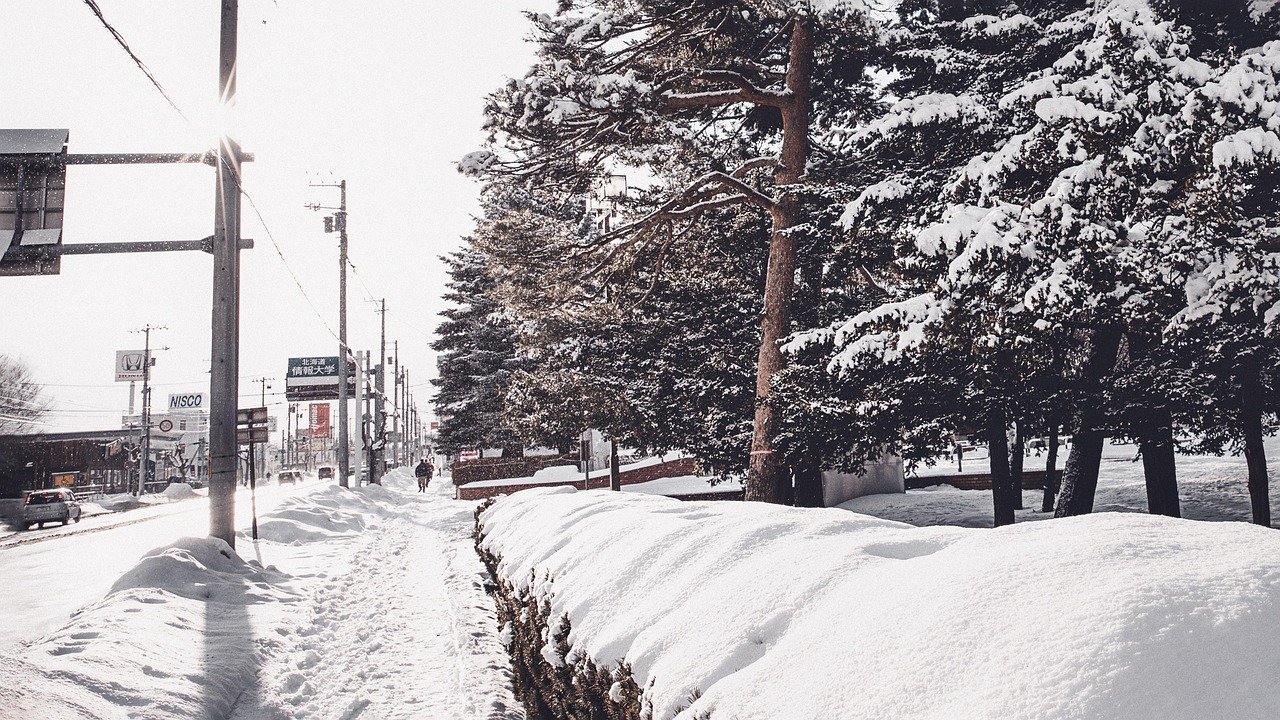
So, you’re thinking about renting a car in Tokyo and driving to the snowy peaks of Nagano for some world-class skiing or a relaxing onsen retreat. Fantastic choice. A road trip is one of the best ways to see the real Japan, but a winter drive, especially for those unfamiliar with Japanese roads, can feel a bit daunting.
Don’t worry. This guide is here to walk you through everything you need to know. We’ll cover the most critical part of your journey—winter tires—and break down the best rest stops along the Kan-Etsu Expressway. Think of this as your co-pilot, helping you navigate from the concrete jungle of Tokyo to the winter wonderland of the Japan Alps, safely and with a few delicious ramen stops along the way.
Before You Go: Essential Winter Driving Prep in Japan
A successful winter road trip is all about preparation. Before you even turn the key, there are a couple of things you absolutely must sort out. Getting these right will be the difference between a smooth, scenic drive and a stressful, potentially dangerous one.
Snow Tires are Non-Negotiable
Let’s get this out of the way first: if you are driving to Nagano between December and March, you absolutely need snow tires. They are not optional. In Japan, these are called “studless tires” (スタッドレスタイヤ, *sutaddoresu taiya*). Unlike all-season tires, which harden and lose grip in the cold, studless tires are made from a softer rubber compound with special treads that stay flexible and grip icy, snowy surfaces.
When you book your rental car online, you must select the “snow tires” or “studless tires” option. This usually comes with an extra daily fee, but it’s a small price to pay for safety. Some sections of the expressway and many local roads in Nagano will have mandatory snow tire or chain checkpoints. If you don’t have the proper equipment, you will be turned away by the police. While some people use tire chains, for a rental car, snow tires are far more convenient and effective for the entire journey. For a deeper dive, check out our guide on Snow Tires vs. Chains: What You Need for Winter Car Rentals in Japan.
Checking Road Conditions Like a Local
Japan’s weather can change in a heartbeat, especially in the mountains. Before you leave your hotel, do what the locals do: check the road conditions. The best resource is the NEXCO East Japan’s “DraTra” (Drive Traffic) website. It has an English version and provides real-time information on road closures, accidents, and snow-related restrictions. You can even view live camera feeds to see the actual snow accumulation on the road.
Another great tool is your smartphone’s weather app. Look for detailed forecasts for cities along your route, like Takasaki in Gunma and Nagano City. Pay close attention to temperature predictions. If the temperature is hovering around 0°C (32°F), be extra cautious of “black ice,” a thin, transparent layer of ice that is extremely dangerous. As you drive, you’ll also see electronic signs over the expressway. Even if you can’t read Japanese, look for symbols like snowflakes or tire chains, and pay attention to posted speed limits, which are often reduced during bad weather.
Your Route: Navigating the Kan-Etsu Expressway
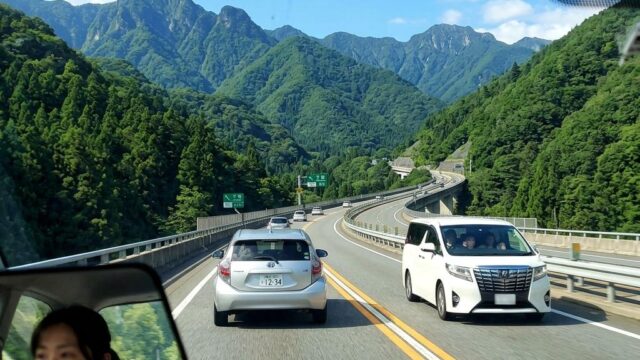
The Kan-Etsu Expressway is your main artery from Tokyo to the mountains. It’s a well-maintained, major highway that cuts through Saitama and Gunma prefectures before reaching Nagano (via the Joshin-etsu Expressway) or Niigata. The drive itself is beautiful, transitioning from urban sprawl to rolling hills and finally to dramatic, snow-covered peaks.
Getting on the Expressway and Using Your ETC Card
From central Tokyo, you’ll likely navigate some local roads or the Shuto Expressway to get to the Nerima Interchange (IC), the starting point of the Kan-Etsu Expressway. This is where having an ETC (Electronic Toll Collection) card is a game-changer. When you rent your car, make sure you also rent an ETC card. It’s a small card inserted into a reader on the dashboard. With it, you can use the purple “ETC専用” lanes at toll gates without stopping. The gate will open automatically, and the toll is charged to the card, which you’ll settle when you return the car.
If you don’t have an ETC card, you’ll need to use the green “一般” (General) lanes, stop, and pay with cash or a credit card. Trust us, ETC makes life infinitely easier, especially when you’re trying to merge onto a busy highway. It’s so essential that we’ve written a whole guide on why you should always book a rental car with an ETC reader in Japan. Should you accidentally enter the wrong lane, don’t panic or reverse. Proceed to the attendant, and they will help you out.
The Kan-Etsu Tunnel: Gateway to Snow Country
The most dramatic part of the Kan-Etsu Expressway is the Kan-Etsu Tunnel. At nearly 11 kilometers long, it’s one of the longest road tunnels in Japan, burrowing through the mountains that separate Gunma and Niigata prefectures. For Nagano-bound drivers, you’ll be on this expressway until the Fujioka Junction (JCT), where you’ll switch to the Joshin-etsu Expressway.
However, the area around the tunnel is a great indicator of the weather ahead. It’s famous for being the dividing line in Yasunari Kawabata’s novel *Snow Country*. You can literally enter the tunnel on the Gunma side under clear skies and emerge on the other side into a full-blown blizzard. This is where the landscape transforms. The air gets colder, the snowbanks on the side of the road get taller, and your winter driving skills will be put to the test. Maintain a safe distance from the car in front of you inside the tunnel and be prepared for a completely different world when you exit.
Must-Stop Service Areas (SA) on the Kan-Etsu Expressway
One of the absolute joys of a Japanese road trip is the rest stops. Forget the sad, vending-machine-only stops you might be used to. Japan’s Service Areas (SA) and Parking Areas (PA) are destinations in themselves, offering incredible food, clean facilities, and unique local souvenirs. SAs are generally larger with gas stations, while PAs are a bit smaller, but both are excellent.
Miyoshi PA (Outbound): Your First Real Taste of a Japanese Rest Stop
About 30 minutes after getting on the expressway from Nerima IC, you’ll hit Miyoshi Parking Area. It’s the perfect first stop to get your bearings, grab a coffee, and get accustomed to the rhythm of a Japanese road trip. It’s not a massive SA, but it has everything you need to start your journey.
The food court here offers classic highway fare like ramen, soba, and curry. Ordering is usually done via a ticket machine. Don’t be intimidated! Most machines have pictures of the food, and many now have English, Chinese, and Korean language options. Just insert your cash, press the button for your desired meal, and take the ticket to the counter. They’ll call your number when it’s ready. Miyoshi PA is also a great place to stock up on drinks and snacks for the road. The on-site convenience store is open 24/7, which is a lifesaver for early morning or late-night drives. It’s a great introduction to the convenience and quality you can expect from Japanese rest stops.
Takasaka SA (Outbound): A Major Hub with Everything You Need
Further up the road, Takasaka Service Area is one of the largest and most well-equipped SAs on the Kan-Etsu Expressway. If you need to refuel your car, have a more substantial meal, or do some serious souvenir shopping, this is the place to stop. It’s a major hub for both cars and long-distance buses.
The food options are extensive. You’ll find a large food court with multiple vendors, a separate ramen restaurant, and even a Starbucks for a familiar taste of home. This is a good spot to try some local Gunma specialties. Look for dishes featuring konjac (a local plant-based food) or miso-flavored pork. The souvenir shop is huge and sells everything from famous Tokyo snacks to regional crafts from Saitama and Gunma. It’s a fantastic place to pick up *omiyage* (souvenirs) for friends or just a tasty treat for yourself. The restrooms are, like all Japanese highway rest stops, impeccably clean.
Tackling the Snowy Sections: Gunma to Nagano
Once you pass the Fujioka JCT and merge onto the Joshin-etsu Expressway, you’re officially in the mountains. The elevation climbs, the temperature drops, and the likelihood of snow on the road increases dramatically. This section requires your full attention and a gentle touch on the pedals and steering wheel.
Driving Tips for Icy Roads and Mountain Passes
Driving in the snow isn’t about speed; it’s about smoothness. The golden rule in Japan is to avoid the “three suds”: sudden braking, sudden steering, and sudden acceleration. Every input should be gentle and deliberate. Increase your following distance to at least double what you’d normally keep. Your snow tires will give you much better grip than regular tires, but they can’t defy physics.
Be especially wary of bridges, overpasses, and shaded areas, as these are the first places to freeze and form black ice. If your car starts to skid, do not slam on the brakes. Look where you want to go and gently steer in that direction. If you’ve rented an All-Wheel Drive (AWD) or 4-Wheel Drive (4WD) vehicle, it will provide better traction when accelerating, but it does not help you stop any faster. Always obey the reduced speed limits posted on the electronic signs. Driving at 50 km/h on a snowy expressway might feel slow, but it’s the required speed for a reason.
Yokokawa SA & Tobu-Yunomaru SA: Your Last Stops Before the Deep Snow
As you venture deeper into the mountains on the Joshin-etsu Expressway, Yokokawa Service Area is a famous and worthwhile stop. It’s known for a specific local delicacy: *Toge no Kamameshi*. This is a traditional dish of rice, chicken, and various vegetables cooked and served in a reusable ceramic pot. It’s a warm, hearty meal that’s perfect for a cold day and a true taste of Japanese road trip culture. Grabbing one of these is a memorable experience.
A bit further on, Tobu-Yunomaru Service Area is your last major stop before the final push to popular ski areas like Hakuba or Shiga Kogen. This SA offers stunning views of the surrounding snow-capped mountains on a clear day. It’s a great place for a final bathroom break and to grab a hot drink from the ubiquitous vending machines. The air here is crisp and cold, a clear sign that you’ve arrived in snow country. Check your navigation one last time, make sure everyone is comfortable, and prepare for the final, most scenic leg of your journey.
Arriving in Nagano: What to Expect
Congratulations, you’ve made it to Nagano! The expressway driving is over, but the adventure isn’t. Navigating the local roads to your hotel or ski resort requires the same level of caution, as they can be narrower and less frequently plowed than the highway.
Exiting the Expressway and Navigating Local Roads
Depending on your final destination, you’ll exit at an IC like Nagano, Suzaka-Naganohigashi, or Shinanomachi. Once you’re off the highway, the driving experience changes. You’ll be dealing with traffic lights, smaller streets, and potentially deep snow, especially in resort towns. Your car’s navigation system will be your best friend here.
A key tip is to fill up your gas tank before you head deep into the mountains. Gas stations can be few and far between near the ski resorts, and they may not be open 24/7. It’s also a good idea to stop at a convenience store (like 7-Eleven, FamilyMart, or Lawson) in a larger town after exiting the IC. You can stock up on supplies, use the ATM, and grab some easy food for your first night, just in case your hotel’s restaurant is closed when you arrive.
Parking and Local Etiquette in Ski Resorts
Parking in a snowy environment has its own set of rules. When you park your car overnight, you’ll notice many locals lift their windshield wipers up, away from the glass. This is to prevent them from freezing to the windshield. It’s a simple trick that will save you a lot of hassle in the morning.
Also, avoid using your parking brake (handbrake) overnight if possible. In freezing temperatures, the brake cable can freeze, leaving you stuck. Instead, make sure your automatic transmission is securely in Park (P). When choosing a parking spot, be mindful of where you are. Don’t park directly under a roof where a large amount of snow could slide off and damage your car. These small bits of local knowledge will make your stay much smoother and show respect for the local customs.
Essential Japanese Vocabulary for Your Winter Drive
While many signs have English, knowing a few key Japanese words can be incredibly helpful and will reduce any anxiety. Here are some essential terms you might see on signs or hear in announcements.
On the Road
- 通行止 (Tsūkōdome): Road Closed. This is a critical one. If you see this, you cannot proceed.
- チェーン規制 (Chēn Kisei): Tire Chains Required. Even with snow tires, sometimes chains are mandatory in heavy storms.
- 冬用タイヤ装着 (Fuyuyō Taiya Sōchaku): Winter Tires Required. You’ll see this at checkpoints.
- 凍結注意 (Tōketsu Chūi): Caution: Icy Road.
- 速度落とせ (Sokudo Otose): Reduce Speed.
- 渋滞 (Jūtai): Traffic Jam.
At the Service Area
| Japanese (Romaji) | English Meaning |
|---|---|
| 給油 (Kyūyu) / ガソリンスタンド (Gasorin Sutando) | Refueling / Gas Station |
| 食事 (Shokuji) / フードコート (Fūdo Kōto) | Meal / Food Court |
| トイレ (Toire) / お手洗い (Otearai) | Restroom / Toilet |
| お土産 (Omiyage) | Souvenir |
| 喫煙所 (Kitsuenjo) | Smoking Area |
| 情報コーナー (Jōhō Kōnā) | Information Corner |
Conclusion
Driving from Tokyo to Nagano in the winter is more than just a trip; it’s a genuine adventure. It takes you from one of the world’s biggest cities, across the Kanto Plain, and up into the majestic, serene beauty of the Japan Alps. While the prospect of driving in snow and ice can be intimidating, it is entirely manageable with the right preparation. By ensuring you have a car equipped with snow tires, checking road conditions beforehand, and taking your time, you can navigate the journey safely. The Kan-Etsu and Joshin-etsu Expressways are modern, well-maintained roads designed to handle these conditions. Plus, the journey is punctuated by Japan’s incredible service areas, which turn a simple rest stop into a fun and delicious cultural experience. This drive allows you to see a side of Japan that many tourists miss, offering freedom, flexibility, and the rewarding feeling of arriving in a stunning winter paradise on your own terms.