Okinawa Highway Drive: Cruising the Okinawa Expressway with Ocean Views
Okinawa is Japan’s tropical paradise, famous for its crystal-clear waters, white sandy beaches, and unique Ryukyu culture. Unlike Tokyo or Osaka, where public transportation is incredibly dense and convenient, Okinawa is fundamentally a car-dependent society. While there is a monorail in the capital city of Naha, it only covers a small area. If you truly want to explore the island, discover hidden beaches, and visit the famous Churaumi Aquarium in the north, renting a car is absolutely essential.
The most efficient way to navigate the island from south to north is by using the Okinawa Expressway. This highway stretches from Naha in the south all the way up to Kyoda in the north, cutting your travel time significantly compared to using local coastal roads. More importantly, driving on the Okinawa Expressway offers its own unique charm, with a relaxed, tropical vibe and fantastic Service Areas (SA) that highlight local Okinawan food. This guide will walk you through everything you need to know about cruising the Okinawa Expressway, ensuring your tropical road trip is smooth, safe, and filled with great snacks.
Getting Started: Navigating the Okinawa Expressway
The Okinawa Expressway is the only major toll highway on the island, making it very straightforward to use. It runs for roughly 57 kilometers, connecting Naha IC in the south to Kyoda IC in the north. Compared to the massive, multi-lane expressways in mainland Japan, the Okinawa Expressway is smaller, usually only two lanes in each direction, and has a noticeably slower, more relaxed pace.
While the highway itself is easy to navigate, driving in Okinawa comes with its own set of rules and quirks that you need to be aware of before you get behind the wheel. The laid-back island atmosphere extends to the driving style, which can be both a blessing and a challenge for foreign visitors.
Tolls, ETC, and Rental Cars in Naha
When you arrive at Naha Airport, picking up your rental car is the first step. Because almost every tourist rents a car, the rental car facilities are massive and very well-organized. You will usually take a short shuttle bus from the terminal to the rental depot. When booking your car, it is highly recommended to request an ETC (Electronic Toll Collection) card. The toll to drive the entire length of the Okinawa Expressway from Naha to Kyoda is roughly 1,040 yen for a standard car. While this is relatively cheap compared to mainland Japan, having an ETC card allows you to pass through the purple toll gates without stopping for tickets or fumbling with cash.
If you do not have an ETC card, you will need to use the green “General” (一般) lanes, take a ticket when entering, and pay with cash or a credit card when exiting. If you want a refresher on how the toll gates work, you can read our guide on Toll Gates in Japan: General vs. ETC Lanes. It is also crucial to note that Okinawa has a large number of American military bases, and you will see many vehicles with “Y” or “A” on their license plates, which denote cars registered to US military personnel. The mix of local Okinawan drivers, American military personnel, and confused tourists means you need to stay alert and drive defensively.
Understanding the “Y U Turn” and Driving Culture
The driving culture in Okinawa is famously relaxed. People generally drive slower than the posted speed limits, and there is a distinct lack of aggressive tailgating compared to Tokyo. However, this relaxed attitude also means that turn signals are sometimes viewed as optional by local drivers. You must be hyper-vigilant and anticipate that the car in front of you might suddenly brake or turn without warning. Keep a safe following distance at all times.
One specific quirk of driving on Okinawan local roads (once you exit the expressway) is the prevalence of the “Y U-Turn.” Many major coastal roads have a concrete median dividing the traffic. If you miss your turn or want to visit a beach on the opposite side of the road, you cannot simply turn left across traffic. Instead, you must drive until you reach a designated U-turn slot in the median, safely make a U-turn, and drive back in the opposite direction. These U-turn slots are clearly marked, but they require patience. Never attempt an illegal U-turn over a solid median, as it is incredibly dangerous and heavily policed.
Must-Visit Stop 1: Nakagusuku PA (Outbound/Northbound)
As you leave Naha and head north towards the beaches and the aquarium, the first major stop you will encounter is Nakagusuku PA. Located about 20 minutes outside of Naha, it serves as the perfect spot to grab a coffee, use the restroom, and officially transition into “vacation mode.”
While it is classified as a Parking Area (PA) rather than a full-size Service Area, Nakagusuku PA is surprisingly well-equipped and is famous for its stunning views of the Pacific Ocean.
Enjoying the Ocean Views and Atmosphere
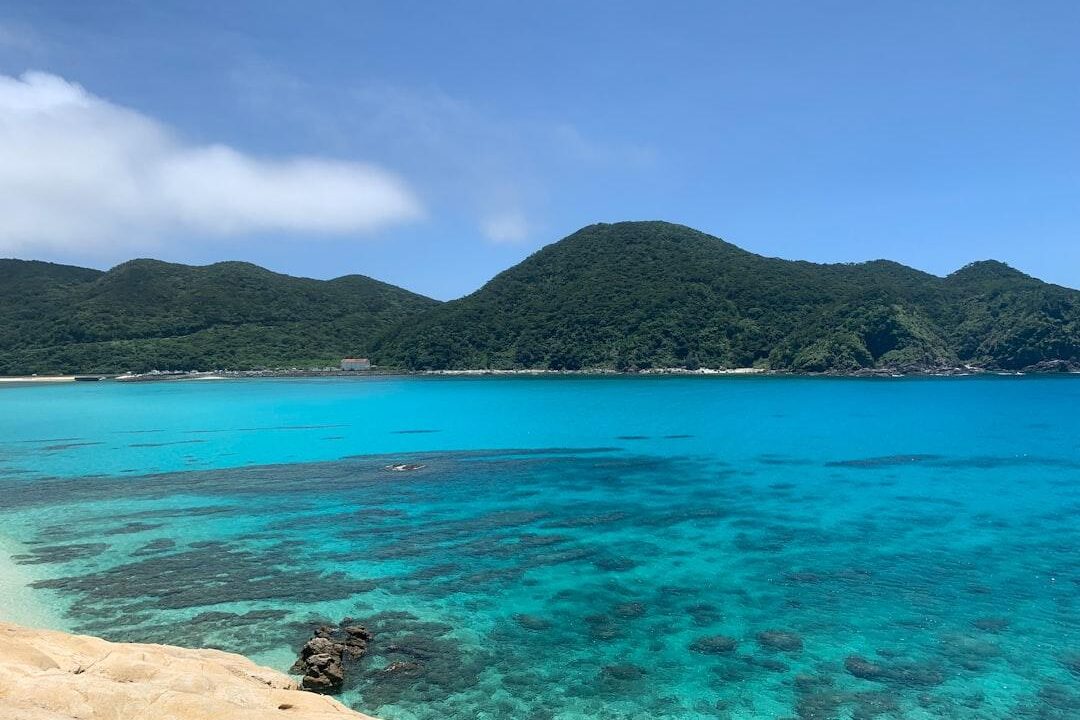
The absolute highlight of Nakagusuku PA is its location. It is perched on a hill overlooking the eastern coast of Okinawa, offering sweeping, panoramic views of the Pacific Ocean and Nakagusuku Bay. There is a dedicated observation deck where you can take beautiful photos of the blue water contrasting with the lush green hills. On a clear day, you can even see the Kudaka Island in the distance. The atmosphere here is incredibly relaxed; you will see families taking photos, locals taking a break, and the air smells like the ocean.
The facilities are clean and modern. The restrooms are spacious and well-maintained, which is standard for Japanese highway stops but always appreciated. The PA also features a small outdoor seating area where you can enjoy a drink or a snack while looking at the sea. It is a fantastic place to stretch your legs, especially if you have just spent an hour navigating the busy streets of Naha and dealing with the rental car paperwork. The stress of travel quickly melts away when you are looking out over the Okinawan coast.
Okinawan Snacks and Soba
When it comes to food, Nakagusuku PA offers a great introduction to Okinawan cuisine. The food court here is small but punches above its weight. You absolutely must try the Okinawa Soba. Unlike mainland Japanese soba, which is made from buckwheat, Okinawa Soba is made from thick wheat noodles and is served in a rich pork and bonito broth, topped with tender, slow-cooked pork belly (rafute), fish cake, and pickled ginger. It is the ultimate Okinawan comfort food, and eating a hot bowl of it at a highway rest stop is a quintessential local experience.
If you are looking for a quick snack for the car, the souvenir shop has you covered. Look for “Sata Andagi,” which are Okinawan deep-fried donuts. They are dense, sweet, and incredibly satisfying. They also sell various snacks flavored with “Beni Imo,” a local purple sweet potato that has a distinct, mildly sweet flavor and a vibrant purple color. Grabbing a bag of Beni Imo tarts or a purple sweet potato soft-serve ice cream is highly recommended before you get back on the expressway and continue your journey north.
Must-Visit Stop 2: Igei SA (Outbound/Northbound)
Further north along the Okinawa Expressway, you will reach Igei SA. This is the only official Service Area (SA) on the entire expressway, meaning it has a gas station and larger facilities than the Parking Areas.
Igei SA is a must-visit destination, offering an even deeper dive into Okinawan food and souvenirs, and boasting its own impressive views of the ocean.
Stocking Up on Souvenirs and Blue Seal Ice Cream
The souvenir shop at Igei SA is extensive and is an excellent place to buy gifts if you forgot to do so in Naha. You will find a wide array of local products, including Awamori (the traditional Okinawan distilled rice spirit), various types of brown sugar (kokuto) candies, and beautifully crafted Ryukyu glassware. The staff are friendly, and many of the popular items have small signs explaining what they are, making it easy for tourists to navigate.
However, the real star of the show at Igei SA is the Blue Seal ice cream counter. Blue Seal is an iconic Okinawan ice cream brand that was originally established to serve the American military bases but is now beloved by locals and tourists alike. They offer unique, locally inspired flavors that you will not find anywhere else in Japan. You absolutely must try the “Okinawan Salt Cookie” (Chinsuko) flavor or the “Ube” (purple yam) flavor. Eating a double scoop of Blue Seal ice cream while leaning against your rental car in the warm tropical breeze is a required Okinawan road trip experience.
Excellent Food Court and Gas Station
The food court at Igei SA is larger than Nakagusuku and offers a wider variety of meals. In addition to Okinawa Soba, you can find Taco Rice, another famous local dish. Taco Rice is exactly what it sounds like: taco-seasoned ground beef, lettuce, cheese, and salsa served over a bed of white Japanese rice instead of inside a taco shell. It is a perfect example of the unique American-Okinawan culinary fusion and is incredibly delicious and filling. The ordering process uses the standard Japanese ticketing machines, which are simple to use even if you don’t read Japanese, as there are usually pictures for every item.
Because Igei SA is the only Service Area on the expressway, it is also the only place you can buy gas without exiting the toll road. While the Okinawa Expressway is short enough that you shouldn’t run out of gas if you started with a full tank in Naha, it is still reassuring to know the facility is there. The gas station is full-service; you simply pull up, roll down your window, and tell the attendant “Regular, Mantan” (Regular gas, full tank). They will pump the gas, clean your windows, and take your payment (cash or credit card) without you ever needing to leave the vehicle.
Driving Safely in Okinawa’s Climate
Okinawa’s tropical climate is the main reason people visit, but it also creates specific driving conditions that you need to be prepared for.
The weather can be unpredictable, and the intense sun and sudden rain showers require you to adjust your driving habits to ensure a safe journey.
Dealing with Sudden Squalls and Slippery Roads
The most significant weather hazard in Okinawa is the sudden, intense rain showers, often referred to as “squalls” or “katabuya” in the local dialect. You can be driving under a perfectly clear blue sky, and two minutes later, you are caught in a torrential downpour that reduces visibility to near zero. When this happens, do not panic. Immediately slow down, turn on your headlights (not just your daytime running lights), and increase the distance between you and the car in front of you.
- The asphalt used in Okinawa contains crushed Ryukyu limestone, which is cheap and abundant locally.
- Over time, the tires of cars polish the limestone, making the road surface exceptionally smooth.
- When it rains, this polished limestone becomes incredibly slick, acting almost like ice.
- Never brake suddenly or take corners sharply when the roads are wet in Okinawa.
Because of the limestone in the asphalt, stopping distances on wet Okinawan roads are significantly longer than on mainland Japan. If the rain is too heavy and you cannot see, pull into the nearest PA or SA, or safely pull over to the shoulder with your hazard lights on, and wait it out. These squalls usually pass as quickly as they arrive.
Sun Glare and Heat Management
When it isn’t raining, the Okinawan sun is intensely bright and hot. Sun glare is a serious issue, especially when driving along the coastal roads or on the expressway during the early morning or late afternoon. You absolutely must have a good pair of sunglasses in your rental car. The glare reflecting off the ocean and the white concrete can cause severe eye fatigue and temporarily blind you to traffic or pedestrians.
You also need to manage the heat inside the vehicle. When you park your rental car at a beach or a tourist attraction, try to find shade if possible, or use a windshield sunshade. The interior of a car parked in the Okinawan summer sun can reach dangerously high temperatures in a matter of minutes. Never leave children, pets, or electronic devices inside a parked car. Before you start driving again, open all the doors for a minute to let the trapped hot air escape, and blast the air conditioning. Keeping the car cool will keep you alert and focused on the road.
Conclusion
Cruising the Okinawa Expressway is the most practical and enjoyable way to explore Japan’s tropical southern islands. It allows you to quickly escape the traffic of Naha and head north to the stunning beaches of Onna Village or the famous Churaumi Aquarium. By taking advantage of the ETC system, you can navigate the toll gates seamlessly and focus on the beautiful scenery. Stopping at Nakagusuku PA for the panoramic ocean views and a bowl of authentic Okinawa Soba, or pulling into Igei SA for a massive scoop of Blue Seal ice cream, turns the drive itself into a memorable part of your vacation.
However, driving in a tropical climate requires specific awareness. The relaxed driving culture means you must be defensive and anticipate sudden stops or turns from other drivers. More importantly, the unique composition of the Okinawan asphalt means the roads become incredibly slippery during the frequent, sudden rain squalls. By driving cautiously in the rain, managing the intense sun glare, and embracing the slow, relaxed pace of island life, your Okinawan road trip will be a safe, spectacular, and unforgettable experience.