Snow Tires vs. Chains: What You Need for Winter Car Rentals in Japan
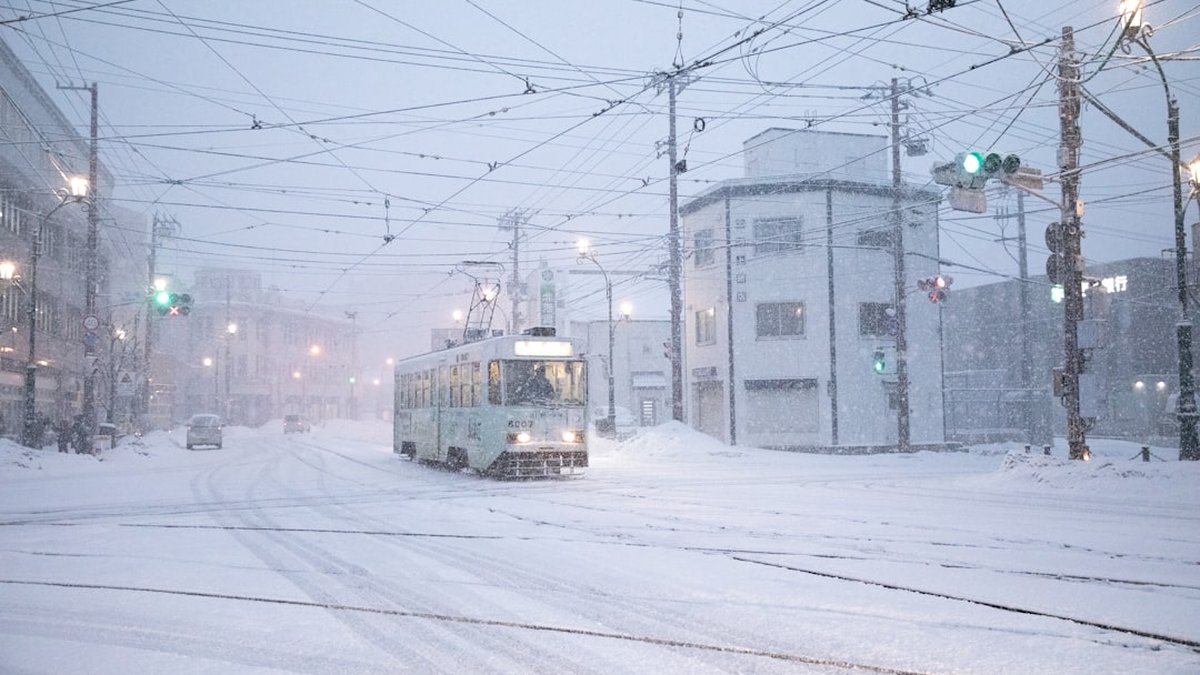
Japan is globally renowned for its incredible winter landscapes and world-class powder snow, drawing skiers and snowboarders from every corner of the earth. Renting a car to explore regions like Hokkaido, the Japanese Alps in Nagano, or the snowy interior of Tohoku offers unparalleled freedom to chase the best conditions.
However, driving in a Japanese winter is a serious undertaking that requires specific preparation and equipment. The expressway network that cuts through these mountainous areas is subject to sudden, intense snowstorms that can drastically alter driving conditions in a matter of minutes.
To maintain safety and prevent massive traffic gridlocks, Japanese highway authorities implement strict regulations regarding winter driving gear. The most common source of confusion for international tourists renting a car during the winter months revolves around the requirements for snow tires versus tire chains.
Many travelers assume that booking a 4-Wheel Drive (4WD) vehicle is sufficient, completely overlooking the critical importance of the rubber meeting the road. This guide will clarify the distinct roles of studless snow tires and tire chains in Japan.
We will explain the specific highway regulations you must obey, how to ensure your rental vehicle is properly equipped, and when you might actually need to pull over and install chains in freezing temperatures.
1. The Reality of Japanese Winters and Highway Regulations
The severity of winter in Japan varies wildly depending on the region. While Tokyo and Osaka rarely see significant snowfall, driving just two hours north or west into the mountains places you in some of the snowiest environments on the planet.
Regions facing the Sea of Japan, such as Niigata and Ishikawa, frequently experience “heavy snow” (gosetsu) events where several feet of snow can fall overnight. When these weather systems hit, the primary goal of the expressway operators (NEXCO) is to keep the traffic moving safely.
To achieve this, they do not hesitate to implement winter tire regulations at a moment’s notice. The Electronic Message Boards above the highway will flash warnings indicating that “Winter Tires are Required” (冬用タイヤ規制) for the upcoming sections.
If you are caught driving on summer tires in these restricted zones, you will be directed off the highway at the next interchange or Service Area, and you may face significant fines. Therefore, understanding what constitutes acceptable winter equipment is not just about safety; it is a legal requirement for completing your journey.
The Myth of 4WD Invincibility
A pervasive and dangerous myth among winter drivers is the belief that a 4-Wheel Drive (4WD) or All-Wheel Drive (AWD) system eliminates the need for specialized winter tires. While a 4WD system is excellent for getting a vehicle moving from a dead stop in deep snow by distributing power to all four wheels, it does absolutely nothing to help you stop or turn.
Braking performance and cornering grip are entirely dependent on the traction provided by your tires. If you drive a 4WD SUV equipped with standard summer tires on a Japanese highway covered in black ice, you are driving a heavy, uncontrollable projectile.
The rubber compound of summer tires hardens in freezing temperatures, causing them to slide across ice like a hockey puck. For safe winter travel, proper tires are exponentially more important than the drivetrain of the vehicle.
For more context on navigating challenging winter routes, you can read our detailed guide on Winter Driving in Japan: The Snow Country Route from Tokyo to Nagano.
2. Studless Snow Tires: The Essential Winter Foundation
In Japan, studded snow tires (tires with metal spikes embedded in the rubber) were outlawed decades ago due to the severe damage they caused to the asphalt and the resulting toxic dust pollution. Today, the absolute standard for winter driving is the “studless snow tire” (スタッドレスタイヤ – sutaddoresu taiya).
These tires are engineering marvels, manufactured with a specialized, softer rubber compound that remains pliable even in sub-zero temperatures. This pliability allows the tire to grip the micro-textures of the icy road surface.
Furthermore, the tread pattern features thousands of tiny slits (sipes) that act like squeegees, biting into the snow and sweeping away the thin layer of water that forms on top of ice. For any winter road trip outside of the major metropolitan centers, studless snow tires are the non-negotiable foundation of your safety.
Why You Must Request Studless Tires Explicitly
A critical mistake many international tourists make is assuming that because they are renting a car in December, it will automatically come equipped with snow tires. This is a very risky assumption.
In heavy snow regions like Hokkaido or Aomori, rental agencies typically outfit their entire fleet with studless tires as a standard practice during the winter season. However, if you are renting a car in Tokyo, Kyoto, or Osaka—cities that rarely see snow—the vehicles will almost certainly be equipped with standard summer tires by default.
If your itinerary involves driving from Tokyo into the snowy mountains of Nagano or Niigata, you must explicitly add “Studless Snow Tires” as an optional extra when you make your reservation online. There is almost always an additional daily fee for this equipment.
If you fail to request them in advance and arrive at the rental counter on the day of your trip, the agency may not have any snow-tire-equipped vehicles left in their inventory, completely ruining your travel plans.
- Look for the Mark: Before accepting the keys, physically check the tires. Studless tires will have a “STUDLESS” marking on the sidewall and a “Snowflake and Mountain” symbol.
- Don’t Accept “All-Seasons”: True studless tires are vastly superior to “All-Season” tires on ice. In severe highway regulations, all-season tires may not be permitted.
- Check the Tread: The deep treads are essential for snow driving. Ensure the rental agency has not provided tires that are severely worn down.
3. Tire Chains: The Emergency Backup Plan
If studless snow tires are so effective, you might wonder why tire chains are still discussed. While studless tires are excellent for 95% of winter driving conditions on the expressways, they have their limitations.
In extremely deep, unplowed snow, or on steep inclines covered in sheer, wet ice, even the best studless tires can lose traction. This is where tire chains become necessary.
Tire chains (タイヤチェーン) are physical webs of metal or hard rubber that are wrapped tightly around the drive wheels of the vehicle. They provide aggressive, mechanical grip that allows the car to claw its way through severe conditions.
However, driving with chains is a miserable experience. You cannot exceed 30 km/h to 50 km/h, the ride is incredibly bumpy and loud, and driving with chains on dry pavement will quickly destroy both the chains and the road surface. Therefore, chains are strictly an emergency backup tool, not a primary mode of winter travel.
Metal Chains vs. Rubber Chains
If you determine that you need to carry chains for your journey, you will encounter two primary types in Japan: traditional metal chains and modern non-metallic (rubber or urethane) chains. Metal chains are generally cheaper and provide the most aggressive bite into solid ice, making them ideal for heavy commercial vehicles or extreme emergency situations.
However, they are heavy, prone to rusting, and can be frustratingly difficult to install correctly with cold, wet hands on the side of a highway. The preferred option for most rental agencies and passenger vehicles in Japan is the non-metallic, rubber-style chain.
These are significantly lighter, much easier and faster to install (often using a simple ratcheting system), and provide a slightly smoother ride than metal chains. They are also less likely to damage the vehicle’s wheel wells if they become loose.
When requesting chains from a rental agency, they will almost certainly provide the non-metallic variety. It is crucial that you practice installing them in the dry rental parking lot before you actually need them in a blizzard.
4. The “Chain Restriction” (Chain Kisei) Highway Rule
The most confusing aspect of Japanese winter driving for foreigners is the difference between a “Winter Tire Requirement” and a “Chain Restriction” (チェーン規制 – Chain Kisei). As previously mentioned, a “Winter Tire Requirement” simply means your vehicle must be equipped with studless snow tires.
If you have them, you can proceed. However, when the weather turns truly catastrophic—such as a massive blizzard hitting the mountainous sections of the Chuo Expressway or the Joshin-etsu Expressway—the highway operators will escalate the warning to a full “Chain Restriction.”
When a “Chain Kisei” is implemented, it means that every single vehicle, including 4WD SUVs equipped with top-of-the-line studless snow tires, must physically install tire chains on their drive wheels to proceed through that specific section of the highway. There are no exceptions to this rule.
Navigating the Chain Checking Stations
When a Chain Restriction is in effect, the highway authorities will set up a mandatory checkpoint. Every vehicle is funneled through a specific lane where officials will visually confirm that chains are installed.
If you do not have chains installed, or if you do not even possess chains in your trunk, you will be forced to exit the expressway immediately. The highway operators set up these restrictions on steep, critical sections of the road to prevent a single stuck vehicle from creating a massive, multi-day traffic jam that traps hundreds of other cars.
Before the checkpoint, the electronic signs will direct you to a designated “Chain Fitting Area” (チェーン着脱所). These are usually large, cleared sections of the shoulder or a specific Parking Area where you can safely pull over and put your chains on.
It is a chaotic and stressful environment, filled with drivers frantically wrestling with cold rubber and metal. This highlights the absolute necessity of practicing the installation process beforehand.
If you are forced to exit because you don’t have chains, your only option is to find a local auto parts store, buy a set (if they aren’t sold out), figure out how to install them, and then re-enter the highway, which can easily ruin an entire day of travel.
5. How to Request Winter Gear from Rental Agencies
Successfully navigating the Japanese winter highway system requires proactive planning during the rental booking phase. You cannot assume the agency will anticipate your needs based on the weather forecast.
When you book your vehicle online, look specifically for the “Options” or “Extras” section. This is where you must manually select “Studless Snow Tires” (スタッドレスタイヤ).
If you are traveling into the deep mountains of Nagano, Niigata, or the Tohoku region, it is also highly advisable to add “Tire Chains” (タイヤチェーン) to your reservation as a fail-safe against the strict “Chain Kisei” restrictions. While the chains might sit unused in your trunk for the entire trip, having them guarantees you will not be forced off the highway during a severe storm.
Expect to pay a daily premium for the snow tires, and either a flat rental fee or a purchase fee for the chains, depending on the agency’s policy.
Verifying the Equipment at Pick-Up
When you arrive at the rental counter, your first order of business should be to verbally confirm that your reserved winter equipment is actually present on the vehicle. Do not simply sign the paperwork and drive away.
Ask the staff, “Does this car have studless tires?” (Kono kuruma wa sutaddoresu taiya desu ka?).
More importantly, ask them to physically show you the tires. Check for the “STUDLESS” marking on the sidewall.
Next, ask to see the tire chains in the trunk. The staff should show you the case containing the chains.
This is the perfect opportunity to ask them for a quick demonstration on how to install them. While they won’t put them on the car, they can show you the ratcheting mechanism and explain which wheels they must be attached to (always the drive wheels; front wheels for Front-Wheel Drive cars, rear wheels for Rear-Wheel Drive).
Taking five minutes to verify this equipment before leaving the rental lot can save you hours of freezing misery on the side of a mountain pass. For more general advice on dealing with rental agencies, refer to our article on Renting a Car in Japan: Essential Tips and Choosing the Best Rental Agency.
| Winter Scenario | Required Equipment | Highway Action |
|---|---|---|
| Light Snow / Freezing Temps | Studless Snow Tires | Drive cautiously. Obey “Winter Tire Required” signs. |
| Severe Blizzard / Deep Snow | Studless Tires + Chains | Must install chains at designated areas if “Chain Kisei” is active. |
| Dry Winter Roads | Studless Snow Tires | Drive normally. Do not use chains on dry pavement. |
Conclusion
A winter road trip in Japan offers access to some of the most spectacular, snow-covered scenery in the world. However, the expressways that weave through these regions demand respect and proper preparation.
The distinction between studless snow tires and tire chains is not merely a technical detail; it is the fundamental difference between a safe, enjoyable journey and a dangerous, legally complicated ordeal. Relying on a 4WD system while driving on hardened summer tires is a recipe for disaster on icy Japanese highways.
Your absolute first line of defense, and a legal requirement in many snowy areas, is a full set of high-quality studless snow tires. These specialized tires provide the essential grip needed for braking and cornering in sub-zero temperatures.
When booking your rental car, particularly if starting from a non-snowy city like Tokyo, explicitly requesting these tires is mandatory. However, understanding that studless tires have limits is equally important.
When the weather turns severe and the highway operators activate a “Chain Kisei” (Chain Restriction), the rules change drastically. In these extreme conditions, possessing and knowing how to install tire chains becomes the only way to proceed.
By viewing studless snow tires as your primary winter footwear and tire chains as your essential emergency rescue gear, you perfectly align your preparation with the realities of the Japanese highway system. Take the time to verify your equipment at the rental agency, practice installing the chains in a dry parking lot, and monitor the highway electronic signs closely.
With the right gear and a cautious driving approach, you can safely navigate the winter wonderland of Japan and ensure your road trip is memorable for all the right reasons.