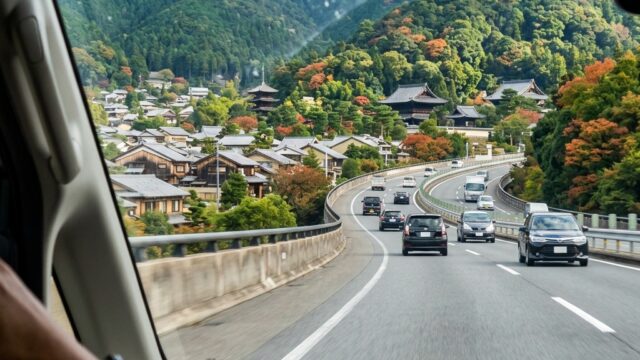
Shikoku Pilgrimage by Car: Must-Visit Highway Oasis and Rest Stops on the Island
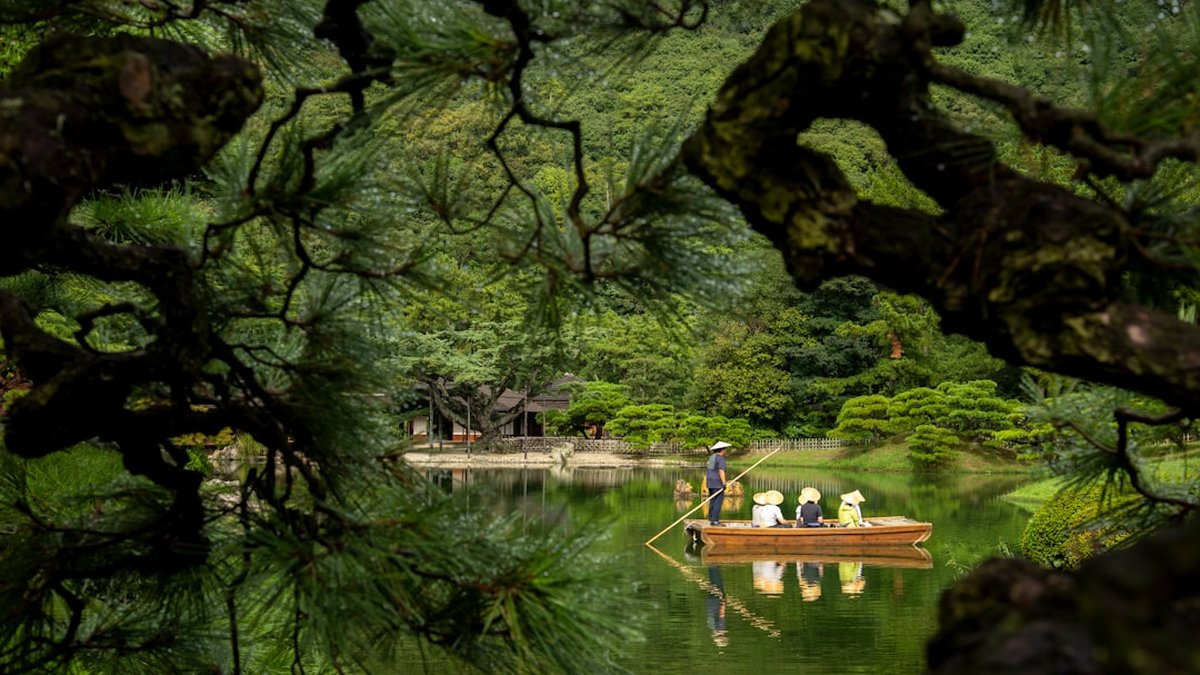
The island of Shikoku is arguably one of the most spiritually resonant and naturally stunning regions in all of Japan. Famous worldwide for the Ohenro, an ancient 88-temple pilgrimage route that circles the entire island, Shikoku draws thousands of travelers seeking enlightenment, cultural immersion, or simply an escape from the frantic pace of modern urban life.
While the traditional method of completing the 1,200-kilometer pilgrimage is entirely on foot—a journey that can take up to two months—the modern reality is that most domestic and international tourists choose to experience the Ohenro by car. Driving around Shikoku not only saves a massive amount of time but also allows you to explore the rugged coastlines, deep mountain valleys, and remote villages that are completely inaccessible by train.
To facilitate this modern pilgrimage, Shikoku is ringed by a network of well-maintained expressways. However, driving for hours on end, especially in unfamiliar territory, requires strategic planning and frequent breaks.
Fortunately, Shikoku’s highway system features some of the most impressive and culturally rich rest stops in the country, many of which are designated as “Highway Oasis” facilities. In this extensive guide, we will explore everything you need to know about navigating Shikoku by car. We will highlight the essential Service Areas (SA) and unique Highway Oasis locations that you must visit, not only to rest and refuel but to deepen your connection with the island’s unique heritage and local flavors.
1. Preparing for Your Shikoku Road Trip Adventure
Before you set out on the expressways of Shikoku, taking the time to properly prepare your vehicle and your itinerary is the key to a stress-free journey. Unlike the heavily congested urban highways of Tokyo or Osaka, the expressways in Shikoku are often wonderfully quiet, cutting through dense forests and soaring over massive ocean straits.
However, this beautiful isolation means that gas stations and major rest facilities are spaced much further apart than on the mainland. Furthermore, the terrain can be challenging; you will encounter long, winding mountain passes and massive suspension bridges where strong crosswinds are common.
Therefore, your preparation must encompass everything from choosing a reliable rental vehicle equipped with a robust navigation system to understanding the specific toll pass options available for the region. Ensuring you have the right tools and knowledge before you cross the Seto Inland Sea onto the island will set the foundation for an unforgettable and safe Ohenro driving experience.
Choosing the Right Rental Car and Navigation System
When selecting a rental car for your Shikoku adventure, comfort and reliability should be your primary concerns, as you will be spending a significant amount of time inside the vehicle. A compact car might seem appealing for narrow city streets, but for long highway stretches and the often-steep mountain roads leading to the more remote temples, a vehicle with a slightly larger engine (such as a standard sedan or a small SUV) provides a much smoother and less tiring driving experience.
It is absolutely essential to request a car equipped with a high-quality GPS navigation system, and you must explicitly ask the rental agency to change the system’s language to English before you leave the lot. While the expressways themselves are clearly marked with bilingual signs, the local roads connecting the highway interchanges to the individual pilgrimage temples can be labyrinthine, often resembling narrow farm tracks rather than paved roads.
A reliable English GPS is your best defense against getting hopelessly lost in the deep countryside. For a detailed breakdown of the rental process and what to look for in a contract, be sure to read our comprehensive guide on Renting a Car in Japan: Essential Tips and Choosing the Best Rental Agency.
Additionally, when booking your car, strongly consider renting an ETC (Electronic Toll Collection) card. The tolls for crossing the magnificent bridges connecting Honshu (the main island) to Shikoku, as well as the tolls for the island’s expressways, are quite high. An ETC card allows you to pass through toll gates without stopping and automatically applies significant discounts, especially on weekends and national holidays.
Securing the Shikoku Expressway Pass (SEP)
One of the most critical logistical decisions you can make to save money on your Shikoku road trip is purchasing the Shikoku Expressway Pass (SEP). As the national Japan Expressway Pass (JEP) has been discontinued, regional passes have become the primary method for international tourists to cap their highway travel costs.
You can learn more about the transition from the national pass in our article regarding the Japan Expressway Pass (JEP) Discontinued: Guide to Regional Highway Passes. The SEP allows unlimited use of the expressways within Shikoku for a fixed flat rate over a designated number of days.
If you plan to circle the entire island or visit multiple prefectures (Kagawa, Tokushima, Kochi, and Ehime) over a period of three to seven days, the SEP will almost certainly save you a substantial amount of money compared to paying individual tolls. However, it is vital to understand the pass’s limitations.
The SEP covers the expressways *on* the island of Shikoku, but it typically does not cover the massive toll bridges connecting Shikoku to Honshu, such as the Seto-Ohashi Bridge or the Akashi Kaikyo Bridge. You will still need to pay the bridge tolls separately, though having an ETC card will ensure you get the discounted rate for those crossings.
You must reserve the SEP at the same time you book your rental car, as it is tied to the specific ETC card provided by the participating rental agency branch. Always double-check with your rental office that they offer the SEP, as not all agencies or branches are authorized to issue it. Taking the time to calculate your estimated route costs against the price of the pass will help you make an informed and economical choice for your spiritual journey.
2. Unwinding at Shikoku’s Unique “Highway Oasis” Facilities
As you navigate the expressways of Shikoku, you will frequently see signs for “Highway Oasis” (ハイウェイオアシス) locations. For the uninitiated, these are not standard Service Areas; they are unique, hybrid facilities that represent the pinnacle of the Japanese highway rest stop experience.
A Highway Oasis is essentially a local public park, commercial complex, or recreational area that is directly connected to a highway SA or PA. The brilliant design allows highway drivers to park their cars, walk into the Oasis to enjoy extensive facilities—such as hot springs, massive local farmer’s markets, museums, or sprawling parks—and then return to their cars and resume their highway journey without ever passing through a toll gate to exit the expressway.
For Ohenro pilgrims and road trippers, these Oasis locations are absolute lifesavers, offering a chance to deeply relax and experience the local culture of the prefecture they are traveling through without losing valuable travel time. Understanding where the best Highway Oasis stops are located allows you to strategically plan your breaks around incredible local experiences.
Yoshinogawa Highway Oasis (Tokushima Prefecture)
Located on the Tokushima Expressway, the Yoshinogawa Highway Oasis is arguably one of the most famous and highly regarded rest facilities on the entire island of Shikoku. Situated along the banks of the majestic Yoshino River, this Oasis is an essential stop for anyone traveling through Tokushima.
The centerpiece of this facility is the “Minoda-no-Yu” natural hot spring (Onsen) bathhouse. Driving for hours can leave your back and legs stiff and aching, especially if you are combining your drive with walking segments of the pilgrimage.
Soaking in the outdoor mineral baths here, which offer stunning, unobstructed views of the wide Yoshino River and the surrounding mountains, provides unparalleled physical and mental rejuvenation. You can enter the bathhouse directly from the highway parking area, making it incredibly convenient.
Beyond the hot springs, the Yoshinogawa Oasis is a culinary destination in its own right. The massive souvenir shop and farmer’s market offer an overwhelming selection of Tokushima specialties.
You absolutely must try the “Tokushima Ramen,” a rich, dark soy sauce and pork bone broth ramen topped with a raw egg and sweet, savory pork belly. It is hearty, intensely flavorful, and perfect for refueling.
You will also find an abundance of products made with Sudachi, a small, tart citrus fruit native to Tokushima, including Sudachi juices, sodas, and even Sudachi-flavored ice cream. Taking a two-hour break here to bathe, eat a hot meal, and browse the local goods is highly recommended to keep your energy levels high for the driving ahead.
Ishizuchiyama Service Area and Highway Oasis (Ehime Prefecture)
As you drive westward on the Matsuyama Expressway through Ehime prefecture, the Ishizuchiyama Service Area, connected to the adjoining Highway Oasis, stands out as a crucial and culturally significant stop. Ehime is universally known across Japan as the kingdom of citrus, specifically Mandarin oranges (Mikan).
The moment you step into the commercial area of this Oasis, you are greeted by an explosion of orange-colored products. The fresh produce market here sells numerous varieties of Mikan, and the gift shops offer everything from Mikan juices and jellies to Mikan-infused cakes and candies.
There is even a legendary faucet that dispenses fresh Mikan juice—a delightful and quirky experience that is incredibly popular with tourists and children. Aside from the citrus bounty, this Oasis is deeply connected to the local geography.
It sits in the shadow of Mount Ishizuchi, the highest peak in western Japan and a profoundly sacred mountain that has been a center for Shugendo (mountain asceticism) for centuries. The views of the surrounding peaks from the observation areas are spectacular on clear days.
Furthermore, the food court offers excellent local dishes, including “Taimeshi” (sea bream mixed rice), a delicate and flavorful traditional meal of Ehime. If you are exhausted from driving, there is also a very well-maintained natural hot spring facility within the Oasis complex. The combination of incredible local food, beautiful mountain views, and the opportunity to bathe makes the Ishizuchiyama Highway Oasis an absolute must-visit location on your Shikoku itinerary.
3. Experiencing Kagawa’s Udon Kingdom on the Highway
Kagawa Prefecture, the smallest prefecture in Japan by land area, is famous across the nation for one primary reason: Sanuki Udon. These thick, chewy, and incredibly satisfying wheat noodles are a culinary obsession for both locals and tourists alike.
When driving through the Takamatsu Expressway in Kagawa, you are essentially driving through the “Udon Kingdom.” Naturally, the Service Areas in this region heavily reflect this local passion, transforming standard highway food courts into battlegrounds for udon supremacy. For travelers completing the Shikoku pilgrimage, a hearty bowl of Sanuki Udon is the perfect, inexpensive comfort food to refuel the body.
Taking the time to explore the udon offerings at these highway stops is not just about grabbing a quick meal; it is about engaging with the very core of Kagawa’s cultural identity. You do not need to detour deep into the city to find excellent noodles, as the highway facilities offer incredibly high-quality bowls that rival established standalone restaurants. Let’s look at how you can maximize your udon experience without leaving the expressway.
Toyohama Service Area: The Ultimate Udon Stop
Located on the Takamatsu Expressway near the border of Kagawa and Ehime prefectures, the Toyohama Service Area is legendary among highway drivers and food enthusiasts. It is widely considered one of the best places to eat Sanuki Udon without exiting the toll gates.
The udon served here is not your typical mass-produced fast food. The noodles are known for their distinct, firm, and elastic texture—the hallmark of authentic Sanuki style—and the broth (dashi) is crafted from high-quality dried sardines (iriko), giving it a rich, savory, and slightly sweet flavor profile.
Whether you prefer your udon hot in a simple broth (Kake Udon), served cold with a soy-based dipping sauce (Zaru Udon), or topped with a raw egg and soy sauce (Kamatama Udon), the quality at Toyohama SA will not disappoint. Aside from the noodles, this Service Area is highly praised for its freshly fried tempura toppings.
A popular choice among long-distance truck drivers and travelers is the “Chikuwa” (fish cake) tempura or a massive mixed vegetable fritter (Kakiage) placed directly on top of the noodles. The food court is spacious and designed to accommodate the heavy influx of travelers seeking their udon fix. The souvenir shop here is also fantastic, offering packaged raw and semi-dried udon noodles, special dashi soy sauces, and an array of udon-themed merchandise, making it easy to bring a taste of Kagawa home with you.
- Know the System: Most SA food courts use a ticket vending machine. You purchase a ticket for your desired udon dish, hand it to the counter staff, and wait for your number to be called.
- Customize with Tempura: Do not just order plain noodles. The self-serve tempura section (or add-on buttons on the machine) is where the real magic happens. Local favorites include sweet potato and squid tempura.
- Garnish Generously: Look for the condiment station. Adding fresh chopped green onions (negi), grated ginger, and a sprinkle of sesame seeds is essential for the authentic flavor.
Tsuda-no-Matsuubara Service Area and Ocean Views
Further east along the Takamatsu Expressway, closer to the city of Takamatsu, lies the Tsuda-no-Matsuubara Service Area. While it also offers excellent Sanuki Udon, this particular stop is most famous for its stunning geographical location and breathtaking views.
The Service Area is situated adjacent to a beautiful, white-sand beach and a dense grove of ancient pine trees, offering a panoramic vista of the calm, blue waters of the Seto Inland Sea. It is a striking contrast to the mountainous terrain found in the center of the island.
Eating a hot bowl of udon while gazing out through the massive glass windows at the ocean is an incredibly peaceful experience that perfectly captures the serene beauty of the region. This Service Area is also known for a unique local delicacy: the “Sanuki Udon Burger.” Yes, you read that correctly.
It is a quirky, fast-food fusion creation where a fried patty of udon noodles replaces the traditional meat patty, sandwiched between two buns with savory sauce. While it may sound unusual, it is a fun, highly Instagrammable novelty that has become surprisingly popular among younger road trippers. Beyond the novelty food, the combination of ocean views, fresh sea breezes, and excellent local noodles makes Tsuda-no-Matsuubara an idyllic spot to rest your eyes and stretch your legs before continuing your pilgrimage.
4. The Shimanami Kaido Connection: Island Hopping by Car
While technically not a part of the Shikoku expressway loop, the Shimanami Kaido is intimately connected to any road trip in this region. This spectacular 60-kilometer toll road connects the main island of Honshu (Hiroshima prefecture) directly to Shikoku (Ehime prefecture) by hopping across six small islands in the Seto Inland Sea, linked by a series of magnificent suspension bridges.
For many travelers driving to Shikoku from Kyoto, Osaka, or Hiroshima, the Shimanami Kaido is the preferred entry route, offering some of the most dramatic and beautiful coastal driving in the world. It is a journey that seamlessly blends modern engineering with timeless natural beauty.
Understanding how to navigate this route, where to stop on the islands, and how it integrates into your broader Shikoku itinerary is essential for a complete experience. For an in-depth look at this specific route, we highly recommend reading our dedicated guide: Driving the Shimanami Kaido: The Ultimate Seto Inland Sea Island Drive.
Kurushima Kaikyo Service Area: The Grand Finale
If you are departing Shikoku via the Shimanami Kaido, or if it is your very first stop upon arriving on the island, the Kurushima Kaikyo Service Area in Ehime prefecture is an absolute mandatory stop. Situated at the Shikoku terminus of the route, this Service Area offers the most iconic, unobstructed view of the Kurushima Kaikyo Bridge—the world’s longest series of suspension bridges.
The observation decks here are expansive, providing breathtaking panoramic views of the swirling tidal currents of the strait below and the lush green islands stretching out towards Honshu. It is a prime location for photography, especially during sunset when the sky and the water are painted in vibrant colors.
The facility itself has been recently renovated and features a modern, clean design. The food court is excellent, heavily featuring fresh seafood from the Seto Inland Sea, including sea bream and octopus dishes.
The souvenir shop is massive, serving as a final opportunity to purchase Ehime’s citrus products or famous Imabari towels before leaving the island. Stopping here is not just about taking a break; it is about taking a moment to appreciate the sheer scale of the engineering achievement that connects these islands and to reflect on the journey ahead.
Exploring the Island Parking Areas (PA)
Unlike standard expressways, the Shimanami Kaido offers the unique opportunity to exit at various interchanges located on the small islands in the Seto Inland Sea, such as Omishima, Ikuchijima, and Innoshima. While there are standard Parking Areas (PA) located directly on the toll road itself, the real charm of the Shimanami Kaido lies in taking brief detours to explore the local “Michi-no-Eki” (Roadside Stations) scattered across the islands.
These local rest stops are different from highway SAs; they are deeply integrated into the island communities. For example, stopping at a Michi-no-Eki on Ikuchijima (also known as Lemon Island) allows you to sample locally grown lemon cakes, lemon ice cream, and even lemon-infused pork dishes.
Omishima Island offers beautiful parks and access to the historic Oyamazumi Shrine, an important stop for samurai historically and modern pilgrims today. While driving the main toll road is efficient, allocating an extra two to three hours to exit the highway, visit these island Michi-no-Eki, and enjoy the slow, relaxed pace of island life transforms the drive from a simple transit route into a deeply memorable part of your Shikoku adventure. Always remember that while ETC cards provide discounts for passing through the main toll gates, exiting and re-entering the highway at island interchanges will incur additional smaller toll charges, so plan your stops strategically.
5. Navigating the Mountain Passes and Weather Challenges
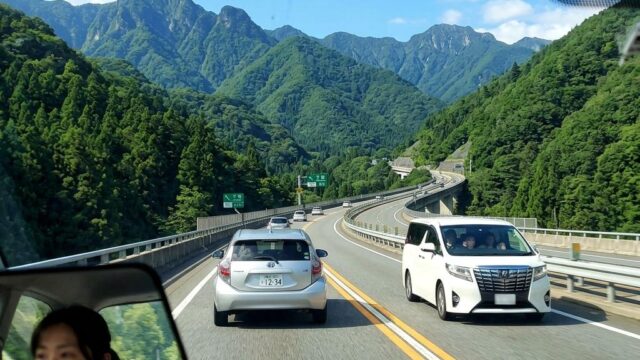
While the coastal routes of Shikoku offer breathtaking ocean vistas, the interior of the island is dominated by rugged, densely forested mountain ranges. The expressways that cut through these mountains, particularly sections of the Kochi Expressway connecting the northern coast to the southern, Pacific-facing coast, are engineering marvels characterized by incredibly long tunnels and soaring viaducts.
Driving these mountainous sections requires a different level of focus and preparedness compared to the flat coastal stretches. The weather in the mountains can be highly unpredictable, with sudden fog banks, heavy rain, and even occasional winter snow at higher elevations, drastically altering driving conditions.
Furthermore, the sheer isolation of these mountain passes means that services and cellular reception can sometimes be spotty. Being aware of these challenges and knowing how to adapt your driving style is crucial for ensuring a safe passage through the heart of Shikoku.
Managing Long Tunnels and Driver Fatigue
The Kochi Expressway is notorious for its seemingly endless series of tunnels. While these tunnels provide a direct and fast route through the mountains, driving through them for extended periods can induce a specific type of driver fatigue.
The monotonous, artificial lighting and the continuous hum of the engine echoing off the concrete walls can lead to “highway hypnosis,” a state of decreased alertness and delayed reaction times. To combat this, it is essential to remain actively engaged while driving.
Before entering a long tunnel, turn on your headlights (many modern rental cars have automatic lights, but it is best to verify) and take off your sunglasses. Maintain a safe, consistent speed and resist the urge to closely tailgate the vehicle in front of you, as sudden braking inside a tunnel can quickly cause a chain-reaction collision.
If you feel your eyelids getting heavy or your concentration slipping, do not push through it. The expressways are equipped with frequent Parking Areas (PA) precisely for this reason.
Pull over at the next available PA, step out of the car, do some light stretching, and get some fresh air. Even a short 15-minute nap in the driver’s seat can significantly restore your alertness. Remember that completing your journey safely is far more important than adhering to a strict, rushed schedule.
| Driving Condition | Primary Risk | Recommended Action |
|---|---|---|
| Long Tunnels | Highway Hypnosis / Fatigue | Remove sunglasses, maintain distance, take frequent breaks at PAs. |
| Mountain Viaducts | Sudden Crosswinds | Keep both hands firmly on the wheel, reduce speed, avoid sudden steering. |
| Heavy Rain / Fog | Reduced Visibility / Hydroplaning | Turn on headlights/fog lights, reduce speed by 20%, double following distance. |
Dealing with Sudden Weather Changes and Crosswinds
The weather in Shikoku’s central mountains can shift dramatically without warning. A bright, sunny day on the coast can quickly turn into a torrential downpour or thick fog as you gain elevation.
When encountering fog, immediately reduce your speed and turn on your low-beam headlights or fog lights if your vehicle is equipped with them. Never use your high beams in fog, as the bright light will simply reflect off the moisture particles and further blind you.
Keep a close eye on the electronic message boards above the highway, which will display warnings about reduced visibility and lowered speed limits ahead. Another significant hazard in the mountainous regions, particularly when crossing the high viaducts spanning deep valleys, is strong crosswinds.
These sudden gusts can easily push a vehicle, especially taller ones like vans or SUVs, out of their lane. When driving over these exposed sections, keep both hands firmly on the steering wheel, slightly reduce your speed, and be prepared to gently counter-steer if you feel the wind pushing the vehicle.
Avoid making any sharp, sudden corrective movements, which could cause you to lose control. If the winds become dangerously strong, expressway authorities may implement speed restrictions or, in extreme cases, temporarily close certain sections of the road. Always adhere strictly to these posted warnings.
Conclusion
Embarking on a road trip around Shikoku, tracing the paths of ancient pilgrims while utilizing modern expressways, is a profound and deeply rewarding way to experience Japan. The freedom a rental car provides allows you to dictate your own pace, pausing to admire hidden coastal coves, exploring remote mountain temples, and immersing yourself in the rich local culture that defines the island.
However, maximizing this experience requires careful planning and a strategic approach to highway driving. By securing the Shikoku Expressway Pass (SEP) and a reliable English navigation system, you alleviate the financial and logistical stress of the journey.
Furthermore, understanding the true value of Shikoku’s Service Areas and Highway Oasis facilities transforms necessary rest stops into highly anticipated cultural highlights. Whether you are soaking in the hot springs overlooking the Yoshino River at the Yoshinogawa Oasis, sampling the legendary Sanuki Udon at Toyohama Service Area, or simply taking in the breathtaking ocean views along the Shimanami Kaido, these moments of pause are just as vital to the trip as the destinations themselves.
Navigating the diverse geography of Shikoku, from its serene coasts to its rugged, tunnel-filled mountains, demands respect for the road and an awareness of changing weather conditions. By driving cautiously, taking frequent breaks to combat fatigue, and fully utilizing the incredible amenities the Japanese highway system has to offer, you ensure that your Shikoku road trip remains a safe, comfortable, and spiritually enriching adventure. The roads of Shikoku are waiting to reveal their secrets to you; drive safely and embrace the journey.