Tokyo to Sendai by Car: Best Highway Route, SA & PA Stops on the Tohoku Expressway
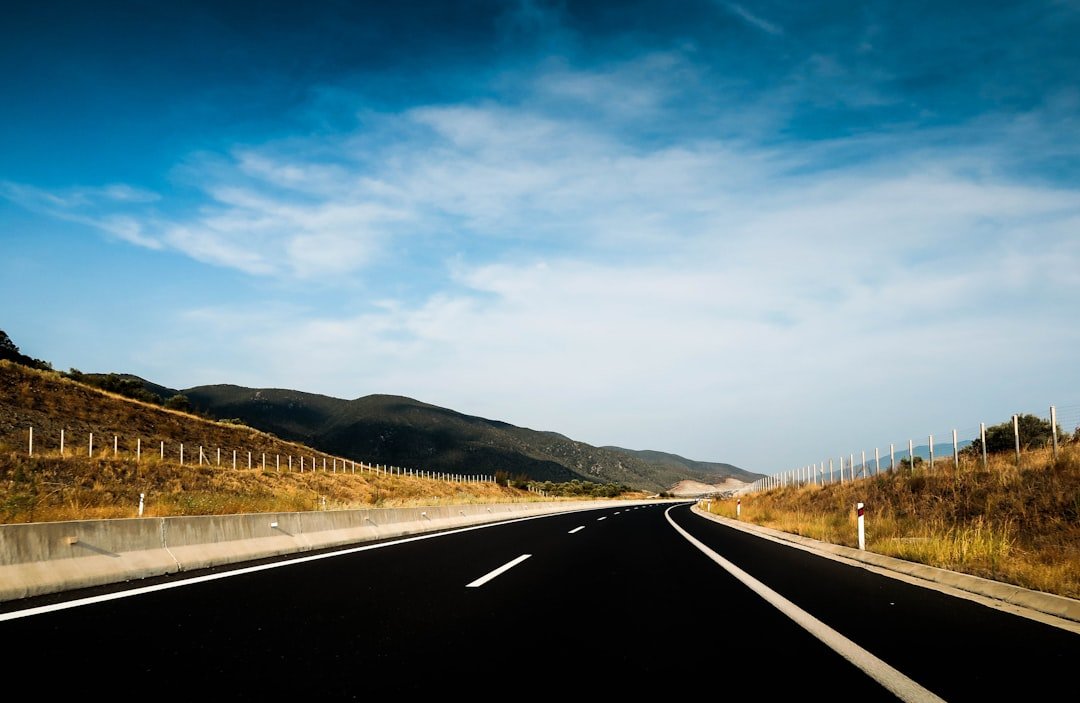
Thinking about driving from Tokyo to Sendai? Great choice. While the Shinkansen (bullet train) is fast and efficient, renting a car and hitting the road gives you the freedom to explore Japan at your own pace. The journey north is more than just a drive; it’s an adventure through the changing landscapes of Japan’s main island, Honshu.
The trip covers about 370 kilometers (around 230 miles) and typically takes four to five hours without major traffic. Your main route will be the Tohoku Expressway, a long stretch of highway that’s dotted with some of the most interesting rest stops—known as Service Areas (SA) and Parking Areas (PA)—in the country. These aren’t just places to refuel and use the restroom; they are destinations in themselves, offering great food, unique souvenirs, and a genuine slice of Japanese culture.
This guide will walk you through the entire journey, from essential pre-drive tips to the must-visit SA & PA stops that will turn your road trip into a memorable experience.
Getting Started: What to Know Before You Leave Tokyo
Before you even turn the key, a little preparation goes a long way. Navigating out of Tokyo and onto the Tohoku Expressway can be the most challenging part of the drive, but with the right setup, it’s straightforward. Here’s what you need to sort out.
Your Route: The Tohoku Expressway
The Tohoku Expressway is the most direct and convenient route to Sendai. To get on it, you’ll likely first have to navigate a portion of Tokyo’s Shuto Expressway network. Don’t be intimidated; your car’s navigation system (most rentals have English options) will guide you. Once you merge onto the Tohoku Expressway, it’s pretty much a straight shot north.
The drive itself is scenic and the road is very well-maintained. Expect the total driving time to be around 4.5 to 5 hours. Toll fees will be approximately ¥8,000 to ¥9,000 one-way, but this can vary depending on the exact IC (Interchange) you use and any discounts that might apply. Speaking of tolls, using an ETC (Electronic Toll Collection) card is highly recommended for a stress-free drive. It allows you to pass through toll gates without stopping and is often cheaper than paying by cash or credit card. If you’re wondering whether it’s worth it, check out our detailed guide on Why You Should Always Book a Rental Car with an ETC Reader in Japan.
- Main Route: Shuto Expressway → Tohoku Expressway
- Distance: Approx. 370 km (230 miles)
- Driving Time: Approx. 4.5 – 5 hours (without heavy traffic)
- Estimated Tolls: Approx. ¥8,350 (one-way with a standard car, may vary)
Essential Prep: Car, ETC, and Connectivity
When you book your rental car, make sure to request a vehicle equipped with an ETC card reader. Most rental agencies offer ETC cards for a small rental fee, which is highly recommended. The card is simply inserted into the reader, and tolls are automatically calculated. You’ll settle the total toll amount when you return the car. It’s incredibly convenient and saves you from fumbling with cash at the toll gates.
For navigation, Google Maps or Apple Maps on your phone work perfectly well and provide real-time traffic updates. Having a pocket Wi-Fi or an eSIM is essential for this. Most rental cars also come with a built-in GPS, which usually has an English language setting. It’s a good idea to have both options available. Before you leave the rental agency, double-check what type of fuel your car takes—it’s almost always “Regular” (レギュラー), but it’s better to be safe than sorry. Gas stations are available at all major Service Areas, so you won’t have to worry about running out of fuel.
First Stop Out of Tokyo: Hasuda SA (Outbound)
Once you’ve cleared the dense urban sprawl of Tokyo and Saitama, Hasuda SA will be one of the first major rest stops you encounter. It was completely rebuilt and reopened in 2019, making it one of the newest and most modern facilities on the Tohoku Expressway. It’s the perfect place for your first break.
What Makes Hasuda SA Special?
This isn’t just a rest stop; it’s a large commercial complex branded as “Pasar Hasuda.” The moment you step inside, you’ll notice how clean, bright, and spacious it is. The facilities are top-notch, with incredibly clean restrooms (a hallmark of Japanese SAs), a 24-hour Lawson convenience store, and an expansive food court. For families traveling with little ones, there are dedicated nursing rooms and diaper-changing stations.
While major signs are in English, you’ll find that many of the ticket vending machines at the food court are primarily in Japanese. Don’t let this discourage you! Most machines have photos of the dishes, so you can easily point and order. The staff are used to assisting foreign visitors and are generally very helpful. If you’re new to the system, our guide on How to Use Japanese Highway Food Courts: A Beginner’s Guide (Hasuda SA) can be very helpful. This SA also has a general information counter where you can get traffic updates and a map of the expressway, though English-speaking staff may not always be available.
Food Recommendations at Hasuda SA
The food court at Hasuda SA offers a wide variety of choices, making it a great spot for a late breakfast or early lunch. One popular option is 翁の郷 (Okina no Sato), which serves classic soba and udon noodle dishes. The tempura soba is a fantastic and comforting choice. For something more substantial, ひのでや食堂 (Hinodeya Shokudo) offers classic Japanese set meals (teishoku) with grilled fish, rice, and miso soup.
If you’re just looking for a quick snack, the Andersen bakery sells freshly baked pastries and breads that are perfect to take back to the car. And of course, you can’t go wrong with a soft-serve ice cream cone, a staple at any Japanese Service Area. The souvenir shop is also worth a look. It stocks not only famous Tokyo snacks like Tokyo Banana but also local specialties from Saitama Prefecture, giving you a chance to pick up something unique right at the start of your journey.
A Taste of History: Hanyu PA (Outbound) – The “Onihei Edo Dokoro”
Prepare for a surprise. Hanyu PA isn’t your typical Parking Area. It has been transformed into a unique recreation of a town from the Edo period (1603-1868). This theme park-like rest stop is based on the world of a famous historical novel and TV series called *Onihei Hankachō*, which follows a samurai police chief in old Tokyo.
Experience the Edo Period on the Highway
From the moment you park, you’ll feel like you’ve traveled back in time. The buildings are designed to look like traditional Edo-era shops and inns, with wooden facades, tiled roofs, and paper lanterns. Even the staff are dressed in period-appropriate attire. It’s an incredibly immersive and photogenic spot, offering a unique cultural experience you’d never expect to find on the side of an expressway. To learn more about what makes this place so special, check out our feature on Hanyu SA (Onihei Edo Dokoro): A Samurai-Era Theme Park on the Tohoku Expressway.
While detailed explanations in English are limited, the visual experience alone is worth the stop. You can wander the “streets,” browse the shops selling traditional crafts and snacks, and just soak in the atmosphere. It’s a fantastic place to stretch your legs and take some truly memorable photos. It’s a bit smaller than a full-fledged SA, so it doesn’t have a gas station, but the unique theme more than makes up for it. It’s a great example of Japan’s dedication to creating unique experiences in unexpected places.
Must-Try Edo-Inspired Cuisine
The food at Hanyu PA is also part of the theme. The flagship restaurant is 五鉄 (Gotetsu), which is named after a military-style chicken hot pot restaurant that appears in the *Onihei* novels. They serve a signature *shamo-nabe* (gamecock hot pot) that is incredibly flavorful and authentic. It’s a real treat, especially on a cooler day.
For something quicker, there are plenty of food stalls selling traditional snacks. You can find *taiyaki* (fish-shaped cakes filled with red bean paste), *kuzumochi* (a chilled, jelly-like mochi dessert), and *senbei* (rice crackers). The souvenir shop is also excellent, offering everything from replica ukiyo-e woodblock prints to traditional sweets and sake. It’s a great place to find gifts that are more unique than the standard offerings at other rest stops. Even if you only stop for 30 minutes, Hanyu PA is an unforgettable detour that adds a fun cultural element to your drive.
Mid-Point Break: Sano SA (Outbound)
Located around the halfway mark of your journey, Sano SA is one of the largest and most well-equipped Service Areas on the Tohoku Expressway. This is the ideal place for a longer break, a proper meal, and to refuel both your car and yourself before tackling the second half of the drive.
Fuel Up and Recharge
Sano SA has all the essential facilities you might need. There’s a large gas station, EV charging stations, and a 24-hour food court and shopping area. The information center here is usually well-staffed and can provide real-time traffic information and road conditions, which is especially useful during holidays or bad weather. They often have free maps and brochures for the Tohoku region.
The facilities are very spacious, making it a comfortable stop even when it’s busy. There’s also a Starbucks for those needing a familiar caffeine fix, and a dog run area, making it a popular stop for people traveling with pets. The large, clean restrooms and ample parking make it a reliable and stress-free place to stop. You’ll find plenty of English signage for key facilities like the restrooms, information desk, and gas station, making it easy for international visitors to navigate.
The Famous Sano Ramen
The absolute must-try at Sano SA is the local specialty: Sano Ramen. The city of Sano is nationally famous for its unique style of ramen, which features flat, wavy noodles made with a traditional bamboo-pressing technique and a light, clear soy sauce-based broth. It’s a refreshing and delicious alternative to the heavier, richer ramen styles you might find in Tokyo.
The food court has a dedicated ramen counter that serves up steaming bowls of this local delicacy. Ordering is typically done via a ticket machine. Look for the pictures that match what you want, insert your cash, and give the ticket to the kitchen staff. The ramen is light yet satisfying, making it the perfect meal for a long drive—it won’t leave you feeling overly full or sleepy. Besides ramen, you can also find Sano’s other local specialty, *imo-furai* (deep-fried potato skewers with a savory sauce), at one of the snack stalls. It’s a simple but addictive local comfort food that’s worth a try.
Gateway to the North: Adatara SA (Outbound)
As you cross into Fukushima Prefecture, you’ll start to feel the atmosphere of the Tohoku region. Adatara SA is a beautiful rest stop that offers great views and a fantastic introduction to the local products of northern Japan. It’s a great place for a scenic break before the final push to Sendai.
Scenic Views and Local Flavors
The main attraction of Adatara SA is its excellent panoramic view of Mt. Adatara. On a clear day, the sight of the impressive mountain range is spectacular and serves as a perfect backdrop for a bit of relaxation. There’s an observation deck area where you can take in the view and snap some photos. The fresh mountain air is invigorating after hours in the car.
Inside, the souvenir shop is packed with Fukushima’s local specialties. Fukushima is known as the “Fruit Kingdom,” and you’ll find an abundance of products made from its famous peaches, apples, and pears. But the one item you absolutely cannot leave without trying is 酪王カフェオレ (Rakuo Café au Lait). This locally produced coffee milk is a beloved “soul drink” of Fukushima residents. It’s creamy, not too sweet, and utterly delicious. You can find it in the refrigerated section of the souvenir shop. It’s the perfect refreshment for the road.
Practical Facilities and English Friendliness
Adatara SA is another large, full-service stop with a gas station, a spacious food court, and a restaurant. The layout is very intuitive, and while English support might be limited to basic signage, you won’t have any trouble finding what you need. Some of the menus in the restaurant and food court may have English descriptions, which is a helpful touch.
A quirky and fun feature of this SA is its connection to Ultraman. The creator of the iconic superhero, Eiji Tsuburaya, was from Fukushima. As a tribute, you’ll often find Ultraman-themed vending machines, statues, or merchandise here. It’s a fun little discovery for fans and adds a bit of pop culture charm to the stop. The overall vibe at Adatara SA is a bit more relaxed than the SAs closer to Tokyo, offering a pleasant taste of the laid-back Tohoku atmosphere.
Final Stretch: Sugo PA and Arriving in Sendai
You’re almost there! With Sendai just around the corner, these last points on the expressway are important for a final, quick break and for making sure you’re heading toward the right exit. The landscape becomes greener and more rural, signaling your arrival in the heart of Tohoku.
A Quick and Convenient Stop at Sugo PA
After the large-scale experience of Adatara SA, Sugo PA offers a more low-key and quiet alternative for a final stop. As a Parking Area, it’s smaller than a full Service Area and doesn’t have a gas station, but that also means it’s usually less crowded. This makes it perfect for a quick restroom break, grabbing a drink, or just stretching your legs without the hustle and bustle.
Despite its smaller size, the snack corner at Sugo PA often has a delightful surprise: ずんだ (zunda) products. Zunda is a sweet paste made from crushed young edamame beans, and it’s the most famous local specialty of the Sendai region. Look for zunda mochi, zunda-flavored soft-serve ice cream, or a Zunda Shake. Trying it here is a great way to get your first taste of Sendai’s iconic flavor before you even arrive in the city. The shop might also have a small section selling fresh, local produce from nearby farms.
Navigating the Final Exits to Sendai
This is an important part of the final leg of your journey. As you get closer to Sendai, you’ll need to exit the Tohoku Expressway. Pay close attention to your car’s navigation system, as it will direct you to the best interchange (IC) for your destination.
The two main exits for Sendai city are Sendai-Miyagi IC (convenient for the western part of the city and downtown) and Sendai-Minami IC (for the southern areas).
Before reaching these exits, you will pass the Murata JCT (Junction). This is where the Tohoku Expressway connects with the Yamagata Expressway. It’s important to stay in the main lanes for the Tohoku Expressway unless your destination is in Yamagata Prefecture. Your navigation system will keep you on the correct path, but it’s good to be aware of this major junction.
Once you exit at your designated IC, you’ll pass through a final ETC toll gate. From there, you’ll be on the local roads of Sendai, ready to start your exploration of the “City of Trees.”
Conclusion
Driving from Tokyo to Sendai is far more than just a way to get from point A to point B. It’s an integral part of the travel experience itself. The Tohoku Expressway offers a smooth, scenic, and comfortable drive, but what makes the journey special are the pit stops. The Service Areas and Parking Areas along the way are a microcosm of Japanese culture, hospitality, and culinary excellence. From the modern convenience of Hasuda SA to the Edo-period theme park of Hanyu PA, and from the famous ramen at Sano SA to the mountain views at Adatara SA, each stop offers a unique reason to pull over and explore.
These rest stops transform a long drive into a series of delightful discoveries. The incredible cleanliness of the facilities, the quality and variety of the food, and the unique local souvenirs make them destinations worth planning your trip around. For any international traveler renting a car in Japan, embracing the SA/PA culture is essential. It’s a side of Japan that many tourists miss out on, and it provides a deeper appreciation for the country’s attention to detail and regional pride. By taking your time, planning a few key stops, and enjoying the freedom of the open road, your drive to Sendai will be one of the most memorable parts of your trip to Japan. So, get your playlist ready, make sure your ETC card is in the reader, and enjoy the ride.