Tokyo to Nikko by Car: Scenic Autumn Leaves Expressway Route and Must-Stop PAs
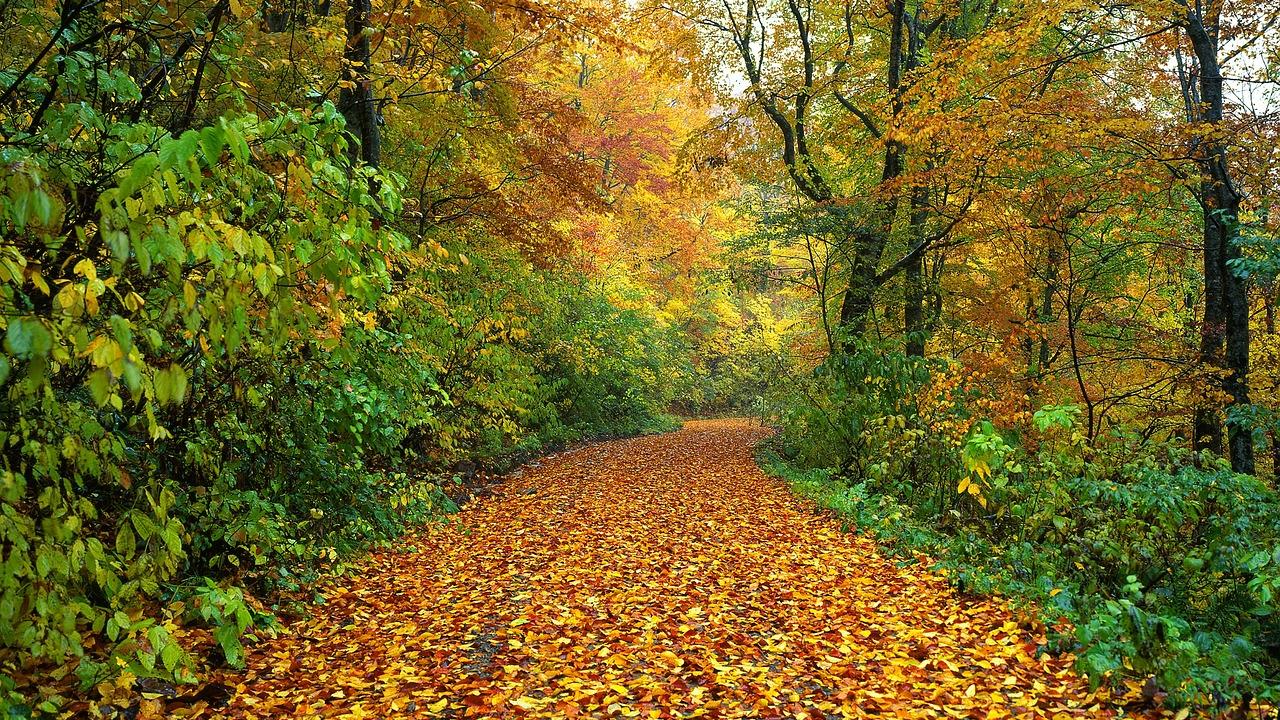
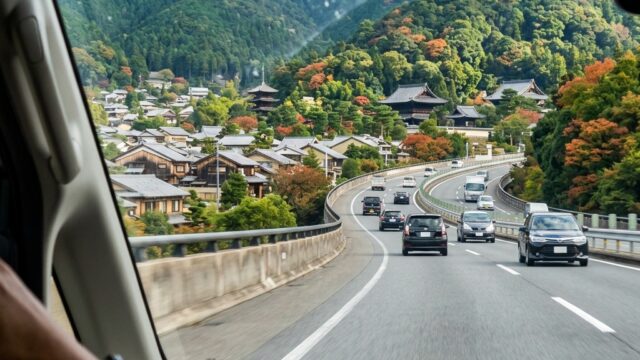
Driving from Tokyo to Nikko during the autumn leaves season is one of the most rewarding road trips you can take in Japan. The vibrant reds, oranges, and yellows of the momiji (maple leaves) set against the historic temples and shrines of Nikko create a breathtaking landscape that draws visitors from all over the world. While many tourists choose to take the train, renting a car offers unparalleled freedom to explore the winding mountain roads of the Irohazaka Winding Road and stop at your own pace. This guide will walk you through the best Expressway route from Tokyo to Nikko, specifically focusing on the Tohoku Expressway, and highlight the must-visit Parking Areas (PA) and Service Areas (SA) along the way. We will also cover essential tips for navigating the autumn traffic, paying tolls, and enjoying the seasonal local food available at the rest stops.
Planning Your Tokyo to Nikko Autumn Drive
A successful road trip from Tokyo to Nikko requires a bit of planning, especially if you are traveling during the peak autumn foliage season, which typically runs from mid-October to early November. The route is relatively straightforward, but the traffic can be heavy, and knowing which Expressway to take and where to stop can make a huge difference in your travel experience.
Choosing the Best Expressway Route (Tohoku Expressway)
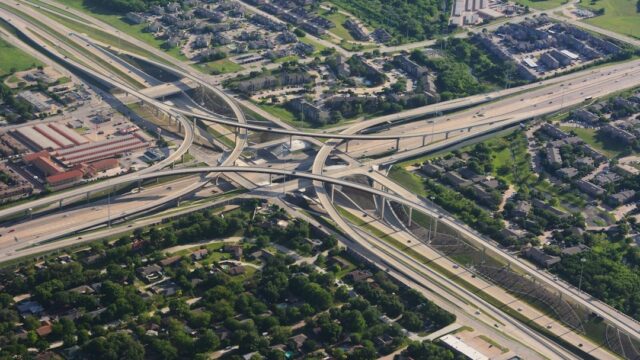
When driving from central Tokyo to Nikko, the most direct and efficient route is via the Tohoku Expressway. You will typically start by navigating the Shuto Expressway (Tokyo’s urban toll road network) to reach the Kawaguchi Junction, where you will merge onto the Tohoku Expressway heading north. The total driving distance is approximately 150 kilometers, and under normal traffic conditions, the journey takes about two to two and a half hours. However, during the peak momiji season, you should anticipate significant delays, particularly on weekends and national holidays.
The Tohoku Expressway is a well-maintained, multi-lane highway that offers a smooth driving experience. Along this route, you will find a variety of Service Areas (SA) and Parking Areas (PA) that are perfect for taking a break, grabbing a bite to eat, and using the restroom facilities. If you are unfamiliar with the difference between these two types of rest stops, you might want to read up on the Japan Highway Service Areas Guide: SA vs PA, Food, Gas Stations, Restrooms & More before you hit the road. It is highly recommended that you use a GPS navigation system (many rental cars come equipped with English-friendly GPS, or you can use your smartphone with Apple CarPlay) to help you navigate the interchanges and avoid getting lost in the urban sprawl before hitting the open highway.
Understanding Tolls and Using an ETC Card
Driving on Japanese Expressways is not free, and the tolls can add up quickly. For the trip from Tokyo (e.g., from the Shinjuku area) to the Nikko Interchange via the Tohoku Expressway and the Utsunomiya-Nikko Road, the one-way toll is roughly 4,000 to 5,000 yen, depending on your exact starting point and the type of vehicle you are driving. The most convenient and cost-effective way to pay these tolls is by using an ETC (Electronic Toll Collection) card.
An ETC card is a small smart card that you insert into a dedicated reader installed in your rental car. It allows you to pass through the toll gates without stopping to pay with cash or a credit card, which is a massive time-saver. Furthermore, using an ETC card often qualifies you for discounted toll rates, such as the weekend and holiday discount or the late-night discount. When you pick up your rental car, be sure to ask the rental agency if they offer ETC card rentals; most major companies do for a small flat fee (usually around 330 yen). For a deeper dive into how this system works, check out How to Use ETC in Japan: A Complete Guide to Electronic Toll Collection. If you do not have an ETC card, you will need to use the general (green) toll lanes and pay manually with cash or a credit card.
Top Service Areas to Visit on the Tohoku Expressway
The Tohoku Expressway is home to several excellent Service Areas (SA) that offer much more than just a place to use the restroom. These stops are destinations in their own right, featuring extensive food courts, souvenir shops, and sometimes even unique entertainment options. Here are the top SAs you should consider stopping at on your way to Nikko.
Hasuda SA (Outbound): A Massive Food and Shopping Hub
Hasuda SA, located just after you merge onto the Tohoku Expressway from the Tokyo metropolitan area, is one of the largest and most popular Service Areas on this route. It is an ideal first stop if you left Tokyo early in the morning without grabbing breakfast. The facility is expansive and features a wide variety of food options, ranging from quick snacks like yakitori (grilled chicken skewers) and steamed buns to sit-down meals like ramen and udon.
The food court at Hasuda SA is particularly renowned for its local Saitama prefecture specialties, as well as classic Japanese comfort food. If you are new to the Japanese highway dining experience, this is a great place to familiarize yourself with the ticketing system used at many food courts. You can read a step-by-step walkthrough in our How to Use Japanese Highway Food Courts: A Beginner’s Guide (Hasuda SA) article. Besides the food, Hasuda SA boasts an enormous souvenir section where you can purchase snacks, sweets, and local crafts. It is the perfect spot to pick up some treats for the road or souvenirs to bring back home.
Hanyu PA (Outbound): A Journey Back to the Edo Period
While technically a Parking Area (PA) rather than a Service Area (SA), Hanyu PA is an absolute must-visit stop on your journey north. This rest stop is famous for its incredible architectural design, which has been meticulously themed to resemble a bustling street from the Edo period (1603-1868). The moment you step out of your car, you will feel as though you have been transported back in time.
The theme is inspired by a famous Japanese historical novel series, “Onihei Hankacho,” and every detail, from the wooden storefronts to the traditional lanterns, reflects this era. The food stalls serve dishes that are modernized versions of Edo-period cuisine, such as unagi (eel), tempura, and traditional Japanese sweets like taiyaki (fish-shaped cakes with sweet bean paste). It is an incredibly photogenic spot and provides a unique cultural experience that you won’t find at typical highway rest stops. For more details on what makes this stop so special, read Hanyu SA (Onihei Edo Dokoro): A Samurai-Era Theme Park on the Tohoku Expressway. Make sure your camera battery is fully charged before you arrive!
Navigating the Irohazaka Winding Road
Once you exit the Expressway and arrive in the Nikko area, the real driving adventure begins. To reach the breathtaking Chuzenji Lake and the Kegon Falls, you must navigate the famous Irohazaka Winding Road. This mountain pass is legendary for its hairpin turns and stunning autumn scenery.
The Challenge of the 48 Hairpin Turns
The Irohazaka Winding Road consists of two separate one-way roads: one for going up the mountain (the Second Irohazaka) and one for coming down (the First Irohazaka). Together, they feature exactly 48 hairpin turns, each labeled with a character from the traditional Japanese alphabet. The drive is exhilarating but requires careful attention, especially if you are not used to driving on winding mountain roads.
During the autumn leaves season, the trees lining the road burst into spectacular colors, making it one of the most scenic drives in Japan. However, this beauty attracts massive crowds, and the traffic can move at a crawl. It is essential to practice safe driving habits, maintain a safe following distance, and avoid abrupt braking. If you are renting a vehicle, ensure that you are comfortable with its handling before tackling this route. Also, be mindful of the weather; mountain roads can be slippery when wet, and early morning fog can reduce visibility. Always keep your headlights on in poor conditions and use your lower gears when descending to prevent brake wear.
Timing Your Drive to Avoid Massive Traffic Jams
The most critical piece of advice for driving the Irohazaka Winding Road in autumn is to time your journey carefully. The peak foliage season brings an immense volume of domestic tourists, and if you attempt the drive during the middle of the day on a weekend, you may find yourself stuck in traffic for several hours.
To avoid the worst of the congestion, it is highly recommended to start your drive extremely early in the morning. Aim to be on the Irohazaka Road before 7:00 AM if possible. Alternatively, visiting on a weekday can significantly reduce the amount of traffic you will encounter. If you are forced to travel during peak hours, make sure your car has a full tank of gas (or is fully charged, if you are driving an EV) before you start the ascent, as there are no gas stations on the mountain pass itself. You should also ensure you have plenty of snacks, water, and perhaps a good playlist to keep you entertained while you wait in traffic.
Essential Tips for Driving in Autumn
Driving in Japan during the autumn transition period comes with its own set of unique considerations. The weather can change rapidly, and the driving conditions may differ significantly from what you are used to back home.
Dealing with Shorter Daylight Hours
As autumn progresses, the days get noticeably shorter in Japan. By late October, the sun begins to set around 4:30 PM to 5:00 PM, and it gets dark quickly. This is a crucial factor to consider when planning your itinerary, as driving on unfamiliar mountain roads in the dark can be stressful and dangerous.
Plan your sightseeing activities so that you complete your mountain driving, particularly the descent down the Irohazaka Winding Road, while there is still daylight. Once the sun goes down, the temperature drops rapidly, and the visibility on the unlit rural roads around Nikko can be poor. If you must drive at night, ensure you are familiar with how to operate your rental car’s high beams and fog lights. Also, watch out for wildlife, such as deer and monkeys, which are active in the Nikko area and can occasionally wander onto the road. If you find yourself needing to take a break after dark, the Expressway Service Areas are well-lit, safe, and open 24 hours, making them the perfect refuge. You can read more about these facilities in Best Highway Service Areas in Japan Open 24 Hours: Food, Restrooms & Convenience Stores.
Preparing for Sudden Temperature Changes
The temperature difference between central Tokyo and the mountainous region of Nikko can be stark, especially during the autumn months. While it might be a comfortable, mild day in the city, the air at higher elevations like Chuzenji Lake can be bracingly cold.
When packing for your road trip, layers are essential. Bring a warm jacket, gloves, and a hat, even if you do not think you will need them when you start your drive. This preparation is not just for your comfort while sightseeing; it is also a safety measure in case your car breaks down or you get stuck in traffic for an extended period without the ability to run the heater continuously. Additionally, check the tire requirements with your rental agency if you are traveling late in November, as early snowfalls are not unheard of in the Oku-Nikko area. While snow chains or winter tires are usually not strictly necessary in October, it is always best to be prepared and informed about the local weather forecasts before you set out.
Experiencing Local Nikko Cuisine on the Road
A road trip in Japan is not complete without sampling the local cuisine, and the Nikko area has several delicious specialties that you should make a point to try. Fortunately, you don’t even have to wait until you reach your destination; many of the SA/PA along the Tohoku Expressway feature regional dishes.
Yuba (Tofu Skin): A Nikko Specialty
Nikko is famous for yuba, which is the delicate skin that forms on the surface of soy milk when it is boiled to make tofu. It has a subtle flavor and a unique, slightly chewy texture. Yuba is a highly versatile ingredient and is incorporated into a wide variety of dishes in the Nikko region.
As you approach Nikko, keep an eye out for yuba-based snacks and meals at the highway rest stops. You might find yuba served in a warm bowl of udon or soba noodles, deep-fried as a crispy snack, or even wrapped around rice balls (onigiri). One of the most unique ways to try it is in the form of yuba soft-serve ice cream or yuba croquettes, which are popular street foods. Sampling these local delicacies at a Service Area is a fantastic way to get a taste of the region’s culinary heritage before you even arrive at the main tourist sites.
Finding Vegetarian and Vegan Options
If you follow a vegetarian or vegan diet, traveling in rural Japan can sometimes present challenges, as fish stock (dashi) and small amounts of meat are frequently used in many traditional dishes. However, highway Service Areas are becoming increasingly accommodating to dietary restrictions.
- Look for dedicated bakeries within the larger SAs; they often have plain breads, cheese-free options, or sweet pastries that are meat-free.
- Convenience stores (like 7-Eleven or Lawson) located at the rest stops usually sell plain salted rice balls (shio musubi) and packaged salads.
- When ordering hot food, plain udon or soba noodles might seem vegetarian, but the broth almost always contains fish extract. Opt for dishes where you can control the ingredients, like plain rice with simple side dishes if available.
For a comprehensive guide on navigating dietary restrictions while on the road, including useful Japanese phrases to communicate your needs, read our detailed article: Vegan & Vegetarian Food Guide: What to Eat at Japan’s Highway Service Areas. Being prepared and knowing what to look for will ensure that you stay energized and satisfied throughout your autumn road trip.
Conclusion
A road trip from Tokyo to Nikko during the autumn leaves season is a truly unforgettable experience that allows you to see some of Japan’s most spectacular natural beauty at your own pace. By taking the Tohoku Expressway, you ensure a smooth and efficient journey, punctuated by excellent rest stops like Hasuda SA and the historically themed Hanyu PA. These facilities offer the perfect opportunity to sample local food, purchase unique souvenirs, and recharge before tackling the famous Irohazaka Winding Road.
While the drive is incredibly scenic, it does require careful planning. Anticipating the heavy seasonal traffic, renting a car equipped with an ETC card, and starting your journey early in the morning are essential steps to ensure a stress-free trip. Furthermore, being prepared for the shorter daylight hours and cooler mountain temperatures will keep you comfortable and safe. Remember that driving in a foreign country can be challenging, but by adhering to the local rules and utilizing the excellent highway infrastructure, you can confidently navigate the route to Nikko. Take your time, enjoy the incredible vibrant colors of the momiji, and make the most of the freedom that comes with exploring Japan by car. Drive safely and enjoy your autumn adventure!