Renting a Car in Hokkaido vs. Honshu: Key Differences You Should Know
So, you’re planning a road trip in Japan? Excellent choice. Exploring the country by car opens up a world of possibilities far from the usual tourist trails. But before you book that rental, there’s a crucial decision to make: where are you driving? Japan isn’t a monolith, and the driving experience on the main island of Honshu (where Tokyo and Kyoto are) is worlds apart from the wide-open spaces of Hokkaido.
Understanding these differences is key to a smooth, safe, and enjoyable trip. This guide breaks down everything you need to know, from road conditions and rest stops to what kind of car you should actually rent. Think of this as your practical, no-nonsense briefing before you get behind the wheel.
Driving Distances and Road Conditions
The sheer scale of the landscape is the first thing that will strike you. Honshu and Hokkaido feel like two different countries when you’re driving, and this impacts everything from your itinerary to your fuel management.
The Scale of Honshu: City-Hopping and Mountain Passes
Honshu is Japan’s largest island, but it’s incredibly dense. This means your destinations are often relatively close to each other. A drive from Tokyo to Hakone might take a couple of hours, and even a longer haul like the drive from Tokyo to Osaka is punctuated by major cities and countless points of interest. You’re rarely far from civilization.
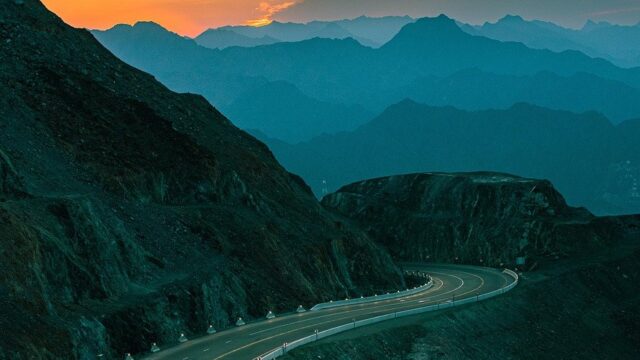
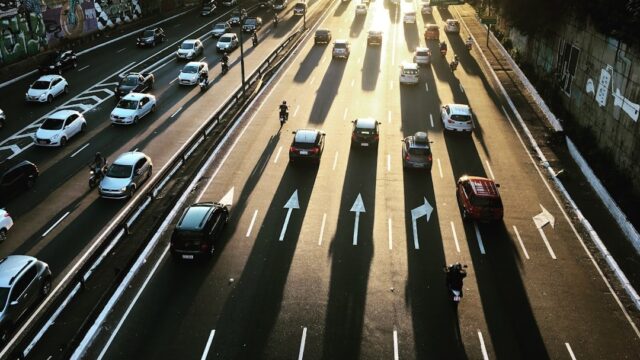
The trade-off is traffic. Expressways around major metropolitan areas like Tokyo and Osaka can get seriously congested, especially during rush hour and on public holidays. The road network is complex, with multi-level interchanges and sprawling junctions that can be intimidating for first-timers. Mountainous regions, like those traversed by the Chuo Expressway, feature plenty of winding roads and tunnels. The good news is that Service Areas (SA) and Parking Areas (PA) are plentiful, appearing every 20-30 minutes on most major routes, so you’ll never have to worry about finding a restroom or a place to stretch your legs.
The Vastness of Hokkaido: Long Stretches and Wildlife
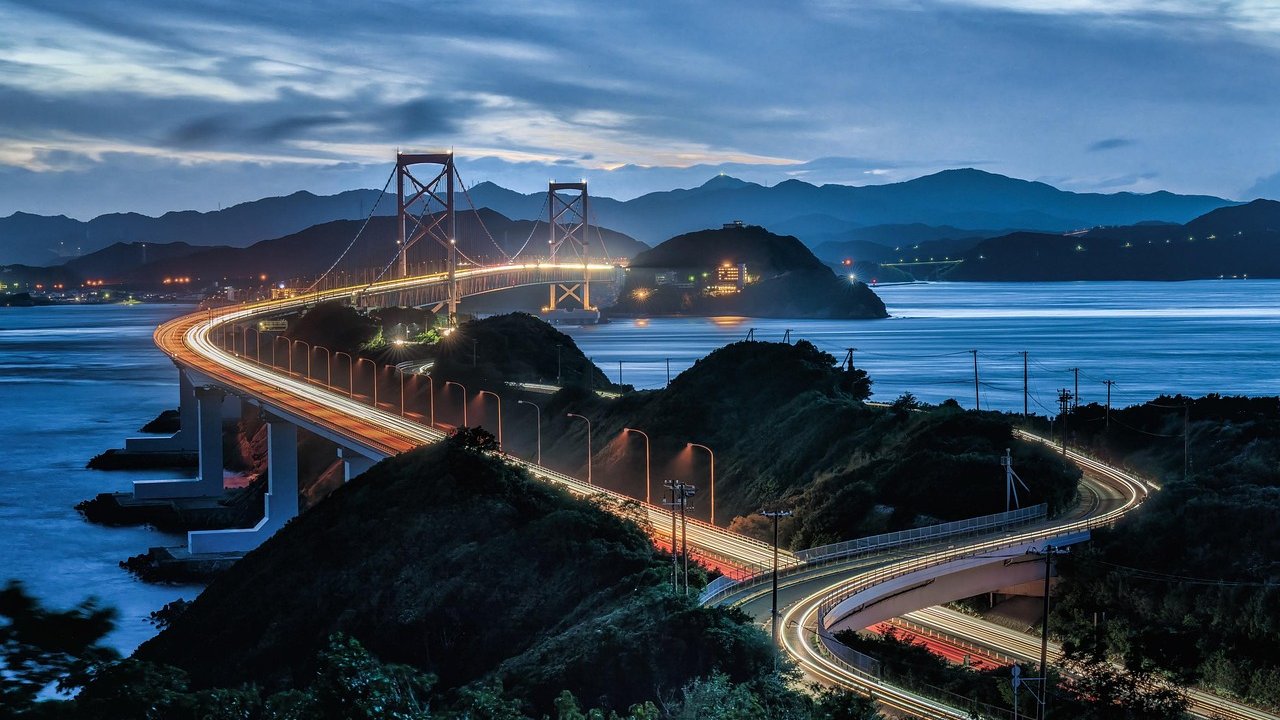
Hokkaido is a different beast entirely. It’s Japan’s wild frontier, and the distances reflect that. A drive from Sapporo to Hakodate can easily take 4-5 hours, with long stretches of nothing but stunning, uninterrupted nature. It’s common to drive over 100 kilometers between towns, which is a stark contrast to the urban density of Honshu.
The roads are generally wide, straight, and beautifully maintained, making for some incredibly relaxing driving. However, this can also lead to driver fatigue, so be sure to take breaks even if you don’t feel tired. The biggest hazard here isn’t traffic; it’s wildlife. Ezo deer and red foxes frequently cross the roads, especially at dawn and dusk. Hitting one can cause serious damage to your car and yourself, so stay alert. Another key point is the scarcity of facilities. Gas stations can be few and far between once you leave a city, and SA/PA facilities are spaced much further apart than on Honshu. A good rule of thumb in Hokkaido: if your tank is half-full and you see a gas station, fill it up.
Expressway Networks and Tolls
Japan’s expressways are world-class, but how you navigate and pay for them differs significantly between the two islands. Getting this right can save you a lot of time and money.
Honshu’s Dense Network and Complex Tolls
Honshu’s expressway network is a web of interconnected routes like the Tomei, Meishin, and Tohoku Expressways. It’s highly efficient but can be confusing around big cities. Tolls are generally calculated based on distance, but urban networks like Tokyo’s Shuto Expressway often use a flat-fee system.
An ETC (Electronic Toll Collection) card is practically essential for driving on Honshu. While you can pay with cash or a credit card at the “General” toll gates, you’ll often face long queues. With an ETC card, you just slow down and cruise through the purple “ETC” lane. Most rental companies offer ETC card rentals for a small fee, and it’s an absolute must-have. We strongly recommend you always book a rental car with an ETC reader to make your journey seamless. It just makes life so much easier.
Hokkaido’s Simpler System and Expressway Passes
The expressway system in Hokkaido, primarily the Do-O Expressway, is much simpler and more linear. It connects the major cities, but the network isn’t nearly as dense as Honshu’s. This makes navigation a breeze, with fewer complex junctions to worry about.
The best part about driving in Hokkaido is the Hokkaido Expressway Pass (HEP). This is a flat-rate pass available exclusively to foreign visitors that allows for unlimited use of Hokkaido’s expressways for a set number of days. Given the long distances you’ll be covering, the HEP can offer incredible savings. You rent it along with your car and an ETC card. The pass is linked to your car’s ETC reader, so you use the ETC lanes as usual, but all your tolls are covered by the flat fee. If you plan to explore multiple regions of the island, the HEP is a no-brainer.
Service Areas (SA) and Parking Areas (PA)
The rest stops in Japan are destinations in their own right, but their character changes dramatically between Honshu and Hokkaido, reflecting the local driving culture.
Honshu’s Mega Rest Stops: More Than Just a Break
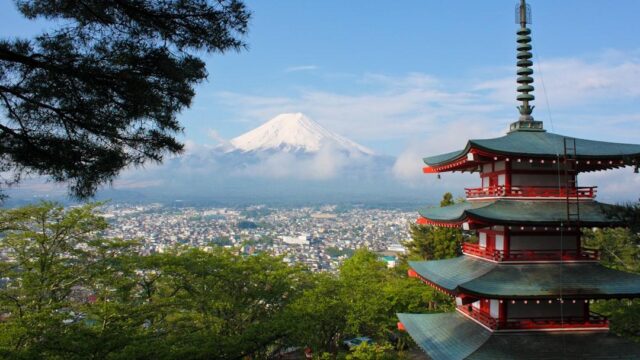
On Honshu, the major Service Areas are like mini-resorts. Places like Ebina SA on the Tomei Expressway are famous throughout Japan, featuring dozens of restaurants, food stalls, bakeries, and massive souvenir shops. You can find everything from Starbucks and convenience stores to high-end restaurants and even observation decks with views of Mt. Fuji.
Many of these SAs are themed, like the Edo-period-inspired Hanyu PA, and some even have incredible facilities like a Ferris wheel at Kariya Highway Oasis or a hot spring. They are fantastic places to sample regional comfort food and buy unique local souvenirs. Plus, many of the larger SAs have facilities that are open 24 hours, which is a lifesaver on a late-night drive. Food court ticket machines at major SAs often have English language options, making ordering a breeze.
Hokkaido’s Practical and Scenic Rest Stops
Hokkaido’s SA/PA facilities are generally more modest and practical. They have the essentials: clean restrooms, a food court, and a souvenir shop, but on a much smaller scale. You won’t find the sprawling, theme-park-like SAs of Honshu here. Some smaller PAs may only have vending machines and a restroom.
What they lack in size, they make up for in scenery. Many rest stops in Hokkaido are strategically placed to offer breathtaking views of the surrounding mountains, coastlines, or volcanic landscapes, like the view from Usuzan SA. The food is also a highlight, focusing on Hokkaido’s incredible local produce, from rich, creamy soft-serve ice cream to fresh seafood ramen and “Genghis Khan” grilled lamb. Since they are farther apart, it’s wise to treat each one as a mandatory stop to refuel both your car and yourself. Don’t assume another one is just around the corner.
Seasonal Driving Considerations
Japan has four very distinct seasons, and this has a huge impact on driving conditions, especially when comparing the relatively temperate Honshu with the wild north of Hokkaido.
Navigating Honshu’s Varied Climates
Honshu’s climate is diverse. The Pacific coast side (Tokyo, Nagoya, Osaka) sees mild winters with little snow. However, drive a few hours north or into the mountains (the “snow country” of Niigata or the Japan Alps in Nagano), and you’ll be in a region of heavy snowfall.
If you are renting a car in these areas between December and March, you absolutely must request snow tires. They are usually an optional extra, so you need to add them to your reservation. Driving in snowy mountains without them is not only incredibly dangerous but also illegal in many areas. For more details, check our guide on snow tires vs. chains for winter rentals. In summer, be mindful of typhoon season (roughly July to September), which can bring torrential rain and high winds, sometimes causing temporary expressway closures.
Mastering Hokkaido’s Winter Wonderland (and Roads)
Winter in Hokkaido is a serious affair. The island is covered in deep snow and ice from late November through to April. During this period, all rental cars come equipped with snow tires as a standard feature, so you don’t need to request them. However, you should strongly consider renting a 4WD (four-wheel drive) vehicle for better stability and traction.
The main danger is not the snow itself but the ice. “Black ice” on the roads is a common cause of accidents. You must drive slowly and avoid any sudden movements: no hard braking, sharp turns, or quick acceleration. In severe weather, you can experience “whiteout” blizzards where visibility drops to near zero. If this happens, pull over at the nearest PA or designated safe spot and wait for it to pass. Driving in Hokkaido in winter requires your full attention and a healthy respect for mother nature.
Rental Car Options and Costs
The type of car you should rent depends heavily on where you’ll be driving and what you plan to do. The available options and typical costs reflect the different demands of each island.
Car Choices in Honshu: From Kei Cars to Vans
In Honshu’s crowded cities, smaller is often better. Kei cars (the tiny cars with yellow license plates) and compact cars are perfect for navigating narrow streets and fitting into tight parking spots. They are fuel-efficient and cheap to rent.
However, for long-distance expressway driving, a slightly larger car (1500cc class or above) or a hybrid model will provide more comfort, stability, and power for overtaking. If you’re debating between fuel types, our guide on hybrid vs. gasoline cars can help you decide. Honshu has a huge variety of rental agencies and vehicle types, from sports cars to large family vans, and the fierce competition generally keeps prices reasonable.
Hokkaido’s Needs: Power, Space, and 4WD
In Hokkaido, space and power are more important. While you can get by with a compact car, the long distances and higher speed limits on some roads make a more powerful car (at least 1500cc) or an SUV a more comfortable choice. You’ll also appreciate the extra luggage space for all your gear.
As mentioned earlier, a 4WD vehicle is highly recommended for winter travel and is also useful in summer if you plan on exploring rural areas with unpaved roads. Rental costs in Hokkaido can be slightly higher than in Honshu, especially during the peak summer tourist season (July-August) and the winter ski season. Booking well in advance is crucial during these times to secure the vehicle you want at a good price.
A Quick Comparison: Honshu vs. Hokkaido
To help you visualize the key differences, here’s a simple breakdown.
| Feature | Honshu | Hokkaido |
|---|---|---|
| Driving Distances | Shorter distances between cities, dense network. | Very long distances, vast open spaces. |
| Roads & Traffic | Often congested, complex interchanges, mountain passes. | Wide, straight roads, minimal traffic, wildlife risk. |
| Expressway Tolls | Pay-per-use, ETC card is essential. | Hokkaido Expressway Pass (HEP) offers huge savings. |
| Service Areas (SA/PA) | Frequent, large, many are destinations themselves. | Less frequent, more practical, often with great views. |
| Winter Driving | Snow tires are an optional extra needed for specific regions. | Snow tires are standard; 4WD is highly recommended. |
| Recommended Car | Compact or Kei car for cities, hybrid for long distance. | Mid-size car or SUV for comfort and space. |
Final Tips Before You Go
No matter where you choose to drive, a little preparation goes a long way.
- International Driving Permit (IDP): Make sure you have a valid IDP that is compliant with the 1949 Geneva Convention. Not all IDPs are accepted in Japan, so double-check this before you leave home.
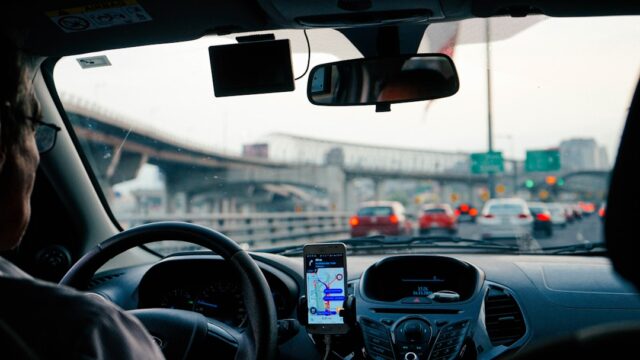
- Navigation: While rental car GPS is useful, having Google Maps or another navigation app on your phone is a great backup. In Hokkaido’s remote areas, consider downloading offline maps as cell service can be spotty.
- Gas Stations: On Honshu, they’re everywhere. In Hokkaido, fill up whenever you get the chance. Also, be aware of self-service vs. full-service stations. Our guide to refueling in Japan explains the difference.
- Driving Etiquette: Japanese drivers are generally very polite. A common custom is to flash your hazard lights once or twice as a “thank you” after someone lets you merge. Learn more about these unspoken rules of Japanese highways.
Conclusion
Driving in Japan is an unforgettable experience, but choosing between Honshu and Hokkaido requires different mindsets and preparation. Honshu offers a journey through the heart of Japanese culture and history, with the convenience of a highly developed infrastructure and an endless variety of things to see, do, and eat just off the expressway. It’s a trip defined by discovery at every stop.
Hokkaido, on the other hand, offers a sense of freedom and adventure that’s hard to find elsewhere. It’s about the journey itself—cruising down endless roads surrounded by epic landscapes, with the thrill of the wild just outside your window. It demands more planning, especially regarding fuel and seasonal conditions, but the reward is a road trip of truly grand proportions. By understanding these fundamental differences and preparing accordingly, you can ensure your Japanese road trip is not just amazing, but also perfectly suited to your travel style.